Garden Maintenance
Landscaping in Putney is ideal when a garden needs more than maintenance and requires a full redesign or structural improvement. This service is commonly used by homeowners and landlords looking to create a practical, well-planned outdoor space. In many London gardens, uneven ground, poor layout, and limited space make proper landscaping essential.
At Nature Garden Putney, landscaping is usually carried out when a garden no longer works in a practical way. In many Putney properties, outdoor spaces are either underused or difficult to manage due to poor layout, uneven ground, or a mix of old features that don’t fit together anymore. This is especially common in older London homes where gardens have been adapted over time without a clear plan.
The process starts with understanding how the space is currently used. Some gardens feel cramped because pathways are poorly positioned, while others lack defined areas for seating or planting. In smaller Putney gardens, every section needs to serve a purpose, otherwise the space becomes cluttered and hard to maintain.
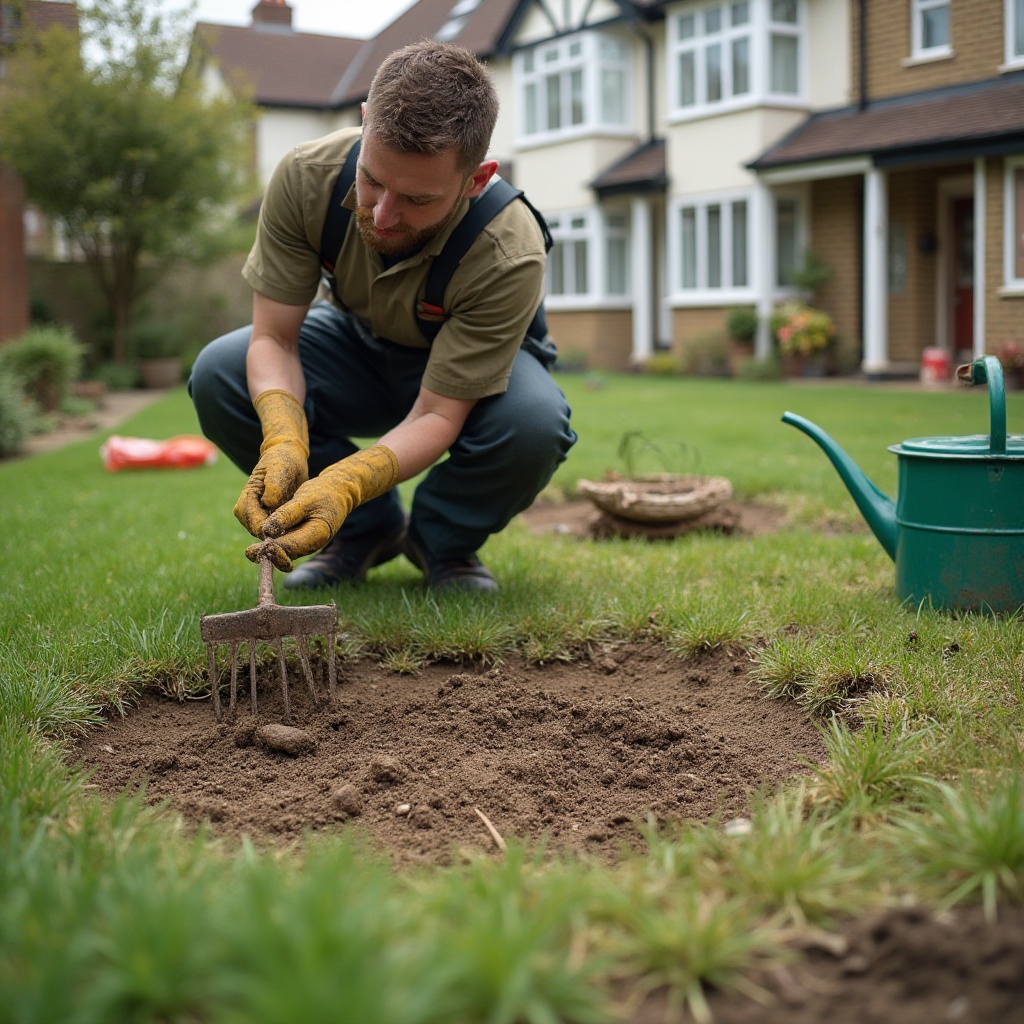
Ground condition is often a key issue. We frequently see uneven surfaces, compacted soil, or drainage problems that affect both lawns and paving. Before any visible work begins, these underlying problems need to be addressed. For example, turf won’t establish properly if the soil isn’t prepared correctly, and paving can shift over time if the base isn’t stable.
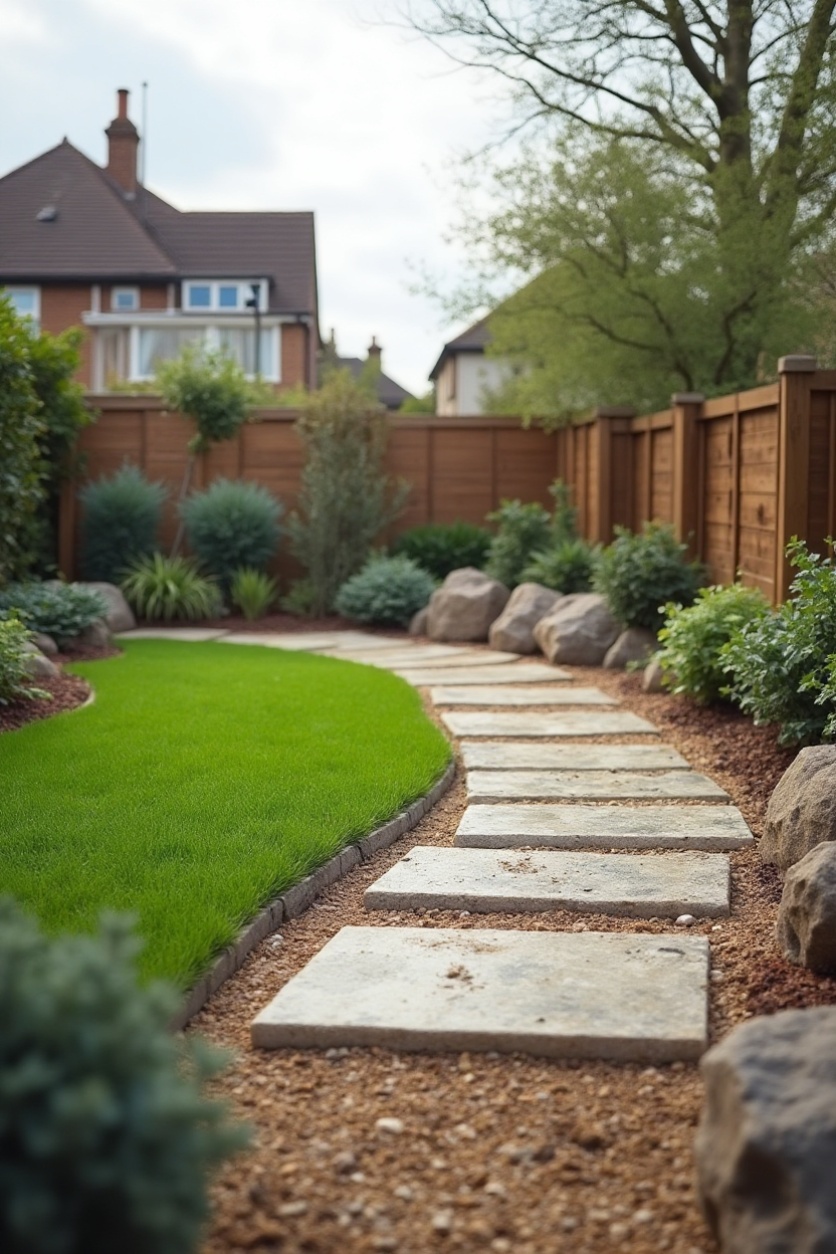
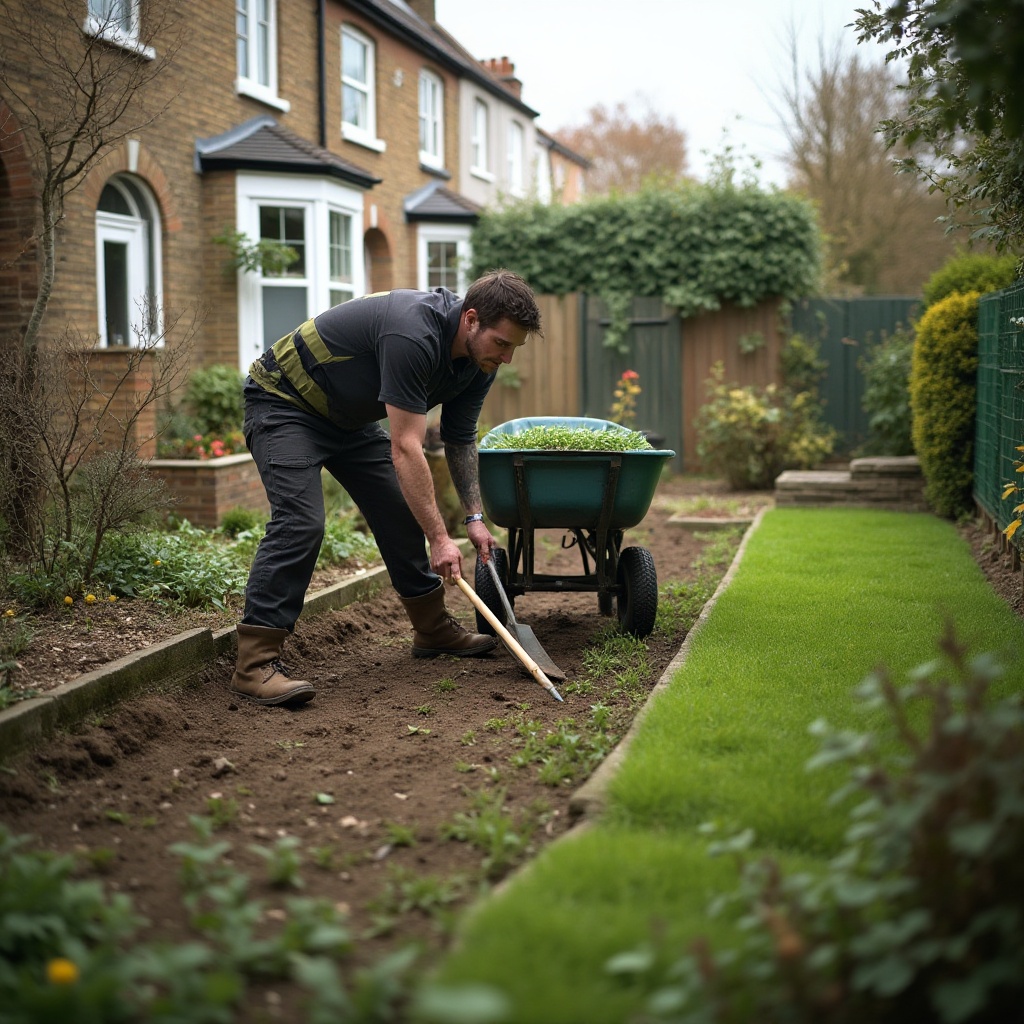
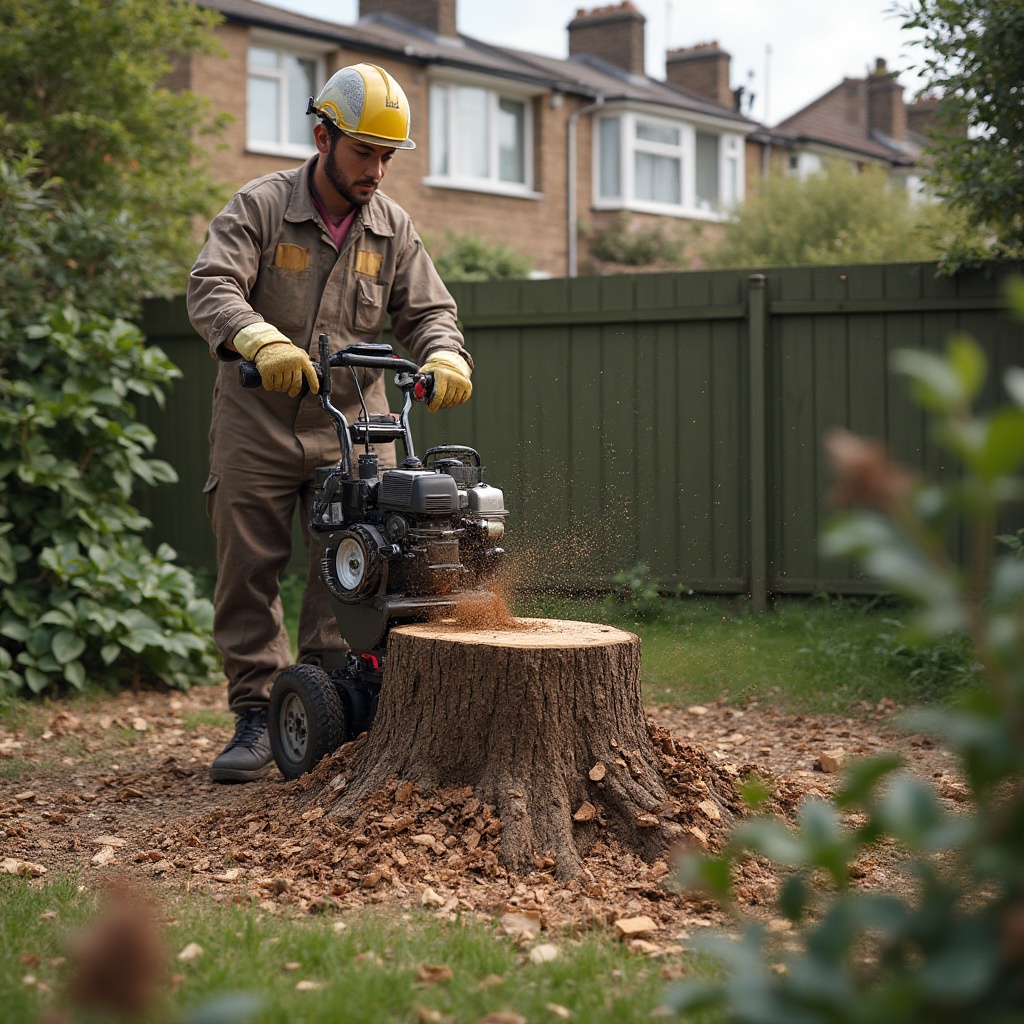
The landscaping work itself is carried out in stages. First, the area is cleared and prepared — this may involve removing old turf, lifting worn paving, or levelling the ground. Once the base is ready, structural elements such as patios, pathways, or edging are installed. These define how the space will be used and help organise the garden into clear sections.
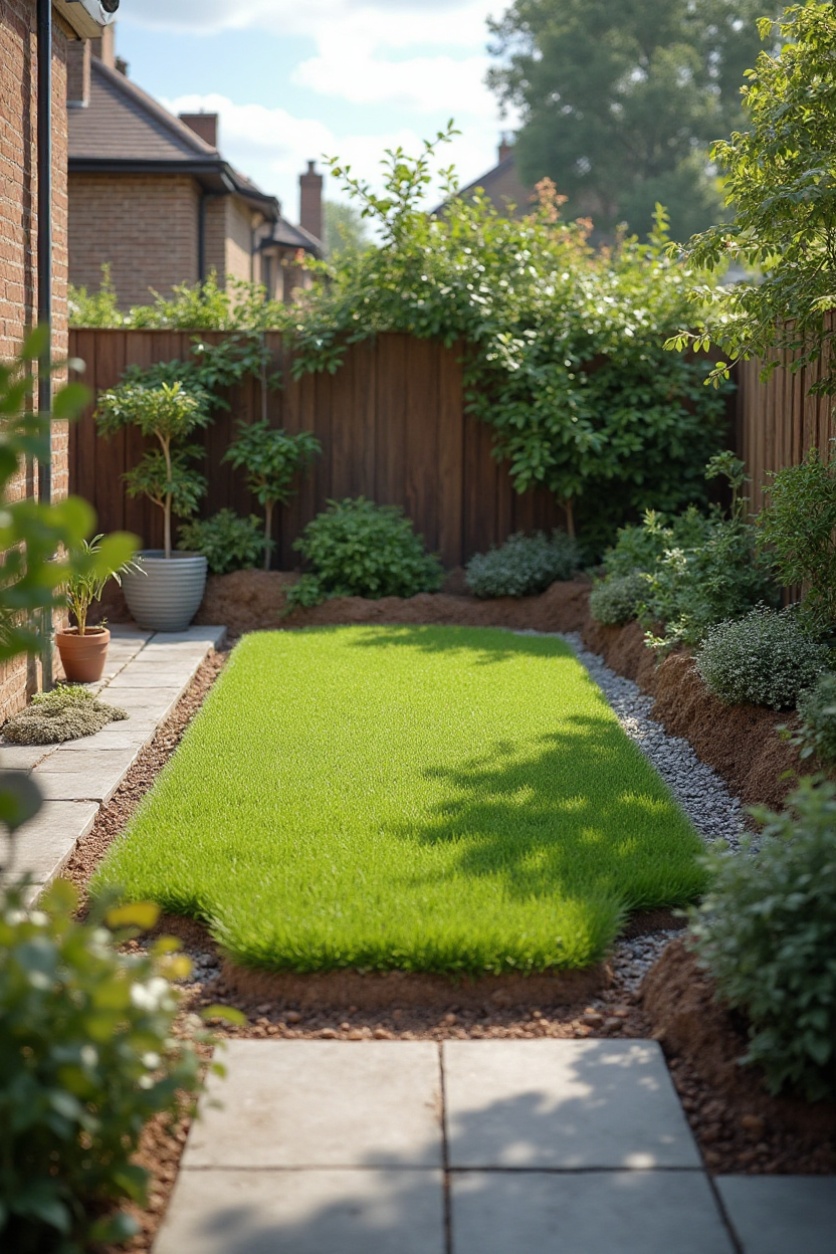
For paving, we typically use materials like natural stone or concrete slabs, installed on a compacted sub-base to ensure stability. Turfing is done after proper soil preparation, often including topsoil levelling and light compaction to create a consistent surface. Planting is then added to soften the space and create balance between hard and soft elements.
Access is often one of the biggest challenges in Putney landscaping projects. Many gardens have no side access, so materials and tools need to be carried through the property. This affects both timing and how the work is organised, especially on larger projects.
Most landscaping jobs take several days depending on the size and complexity of the garden. Smaller redesigns may be completed quicker, while full transformations require more time and planning.
It’s important to understand that landscaping creates the structure of the garden, but it doesn’t replace ongoing maintenance. Once the space is built, regular care is needed to keep it in good condition.
The end result is a garden that feels organised, usable, and easier to manage — rather than something that constantly needs fixing or adjusting.

🌿 1. Garden Check & Planning
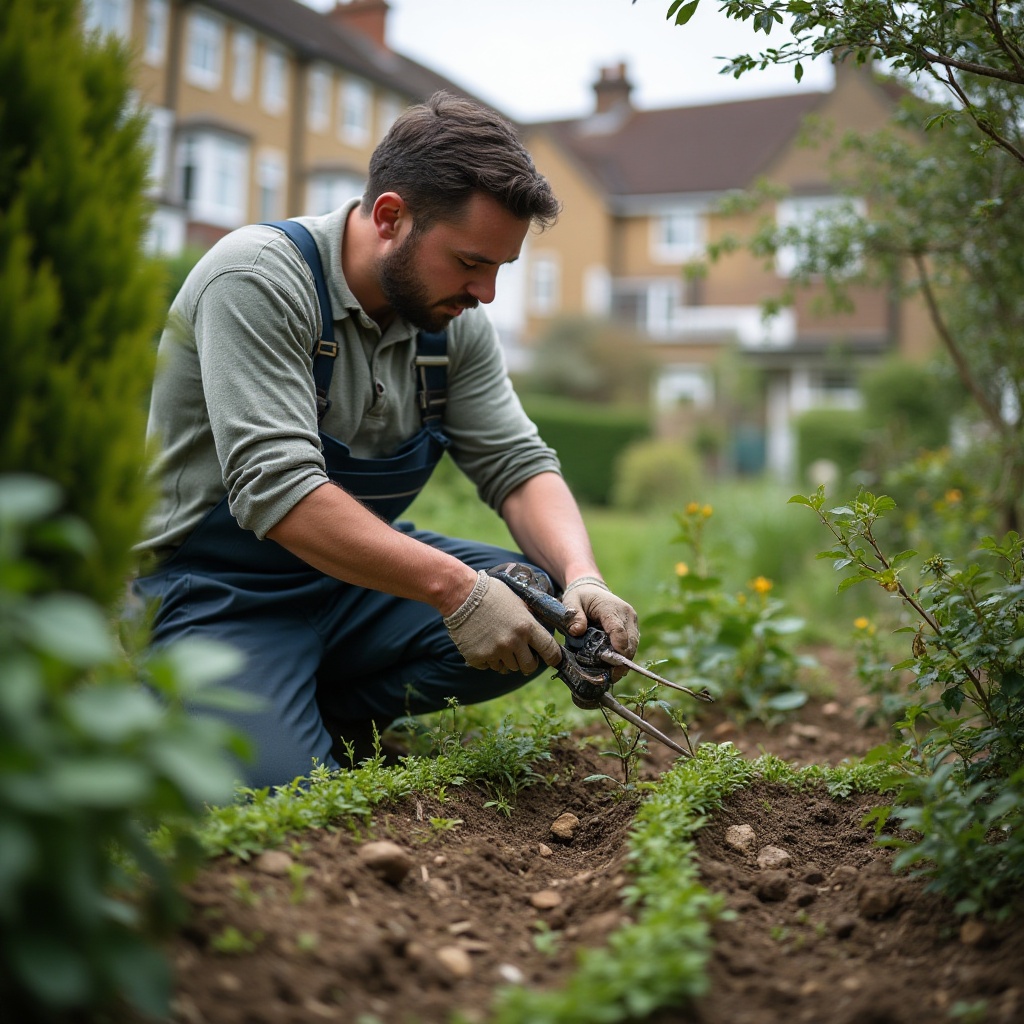
We start by assessing the garden, looking at lawn condition, overgrowth, and any problem areas. This helps us decide what actually needs doing, not just what looks obvious.
🌿 2. Practical Maintenance Work
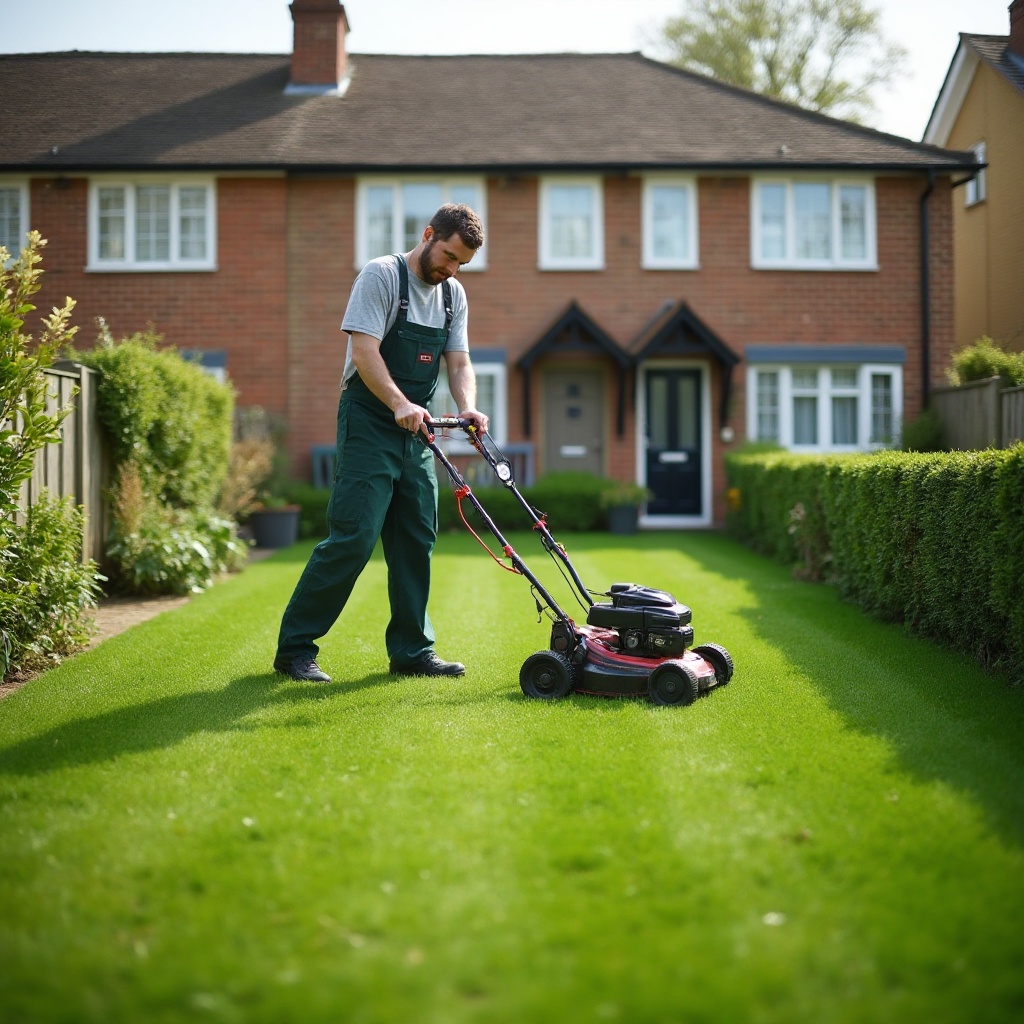
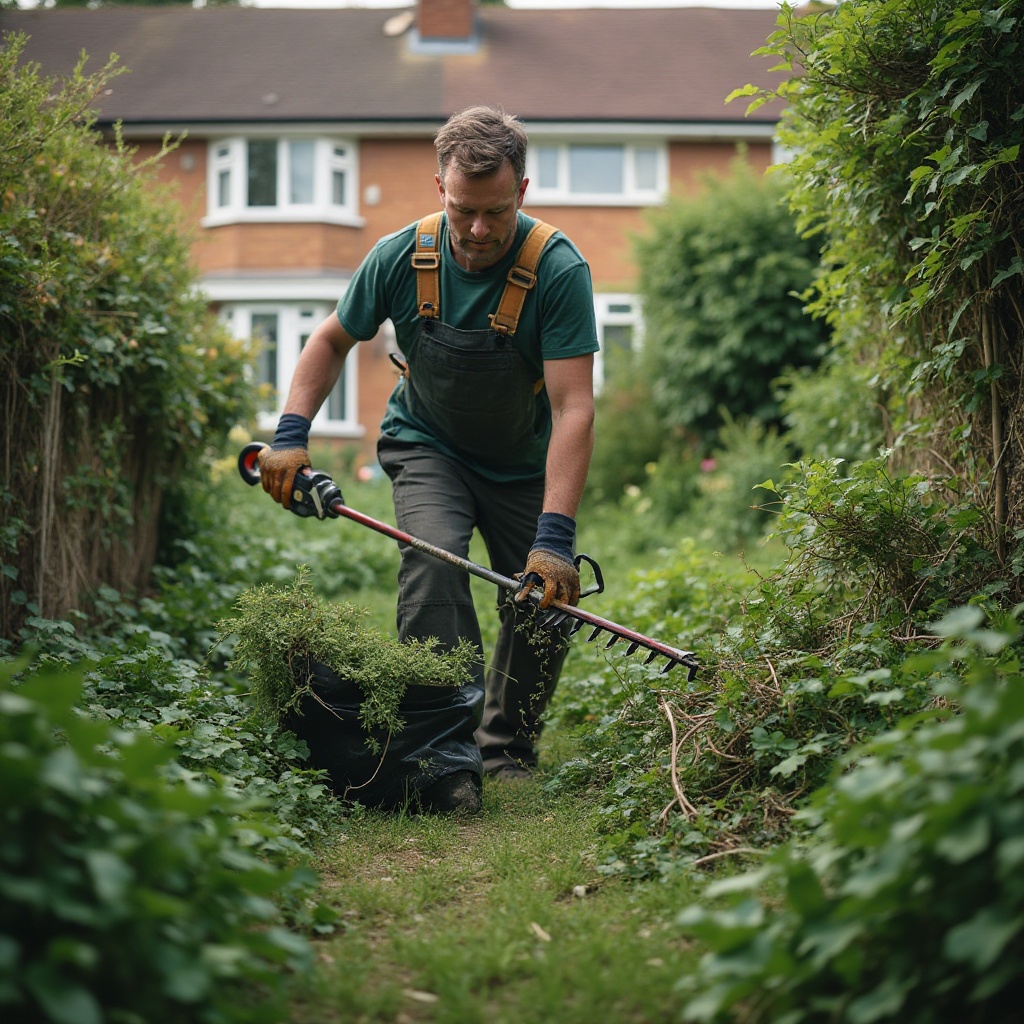
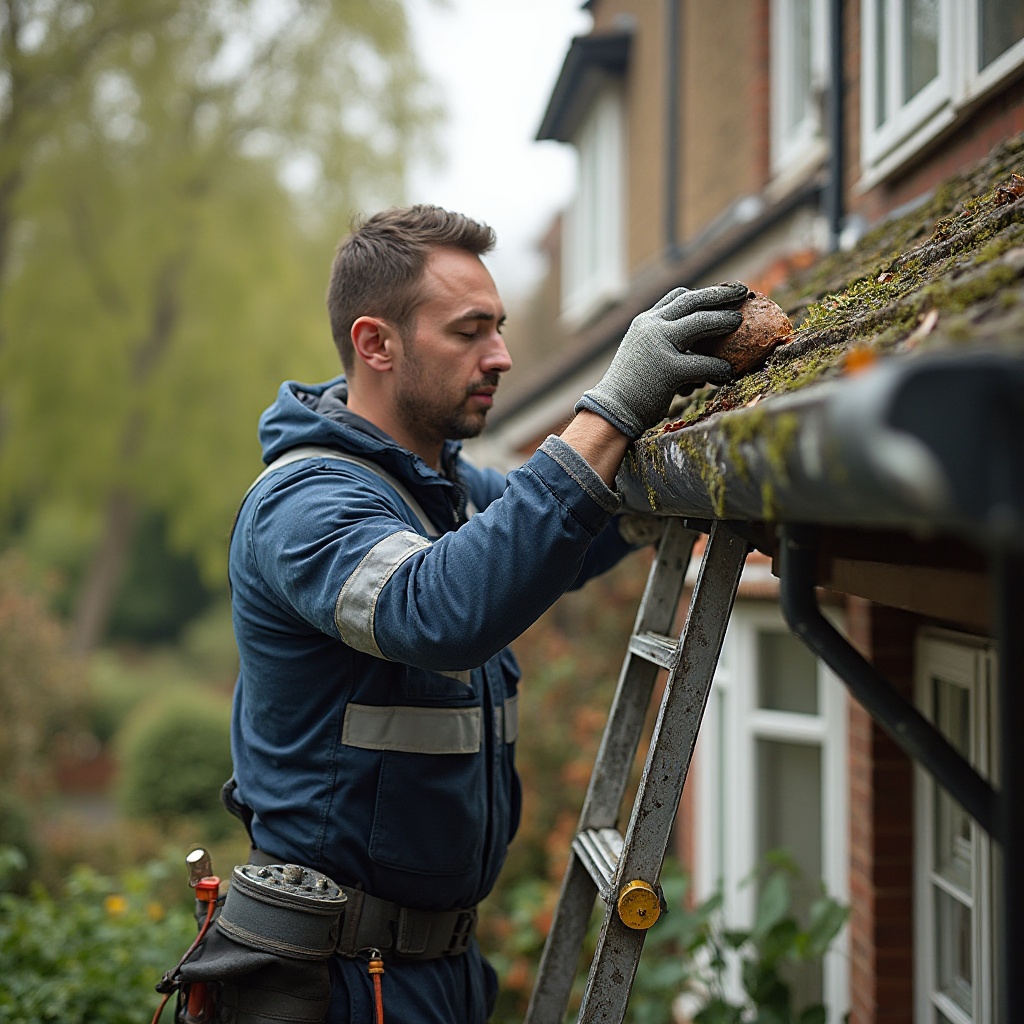
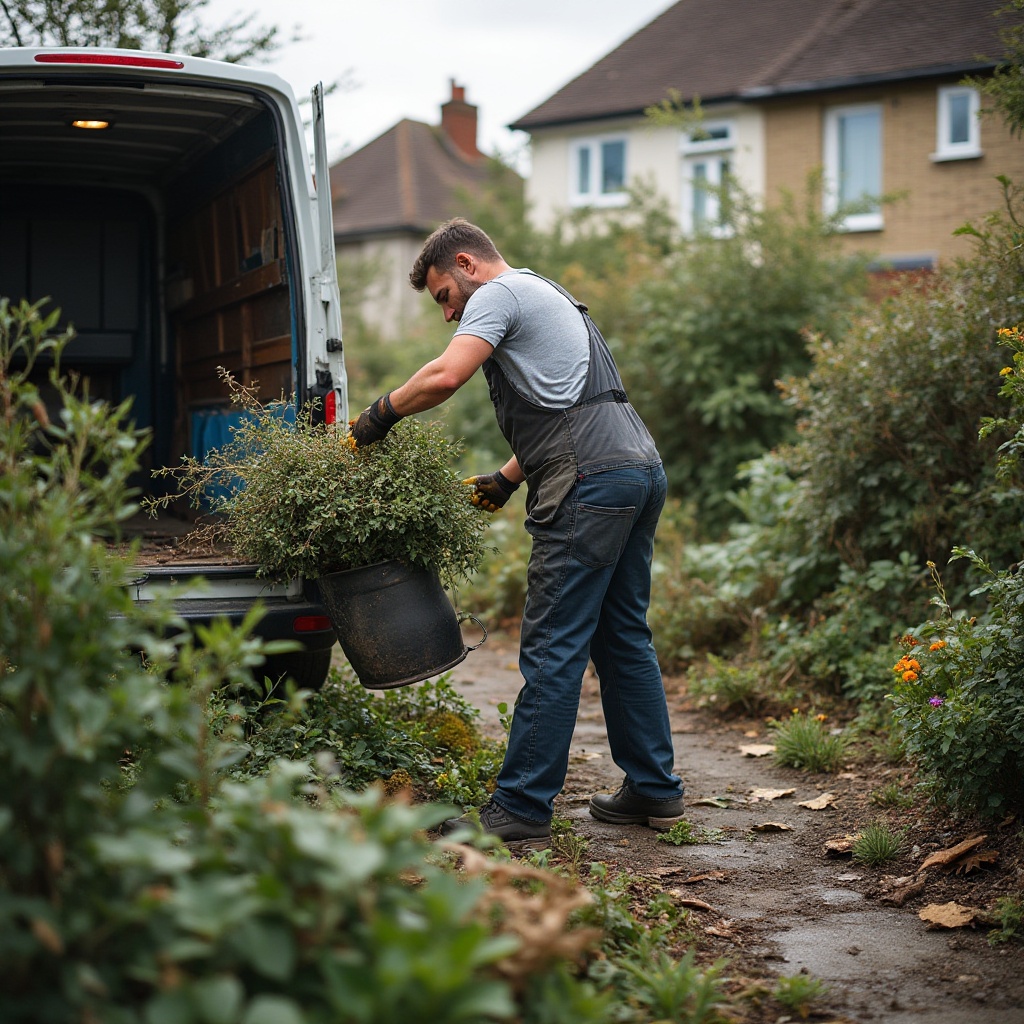
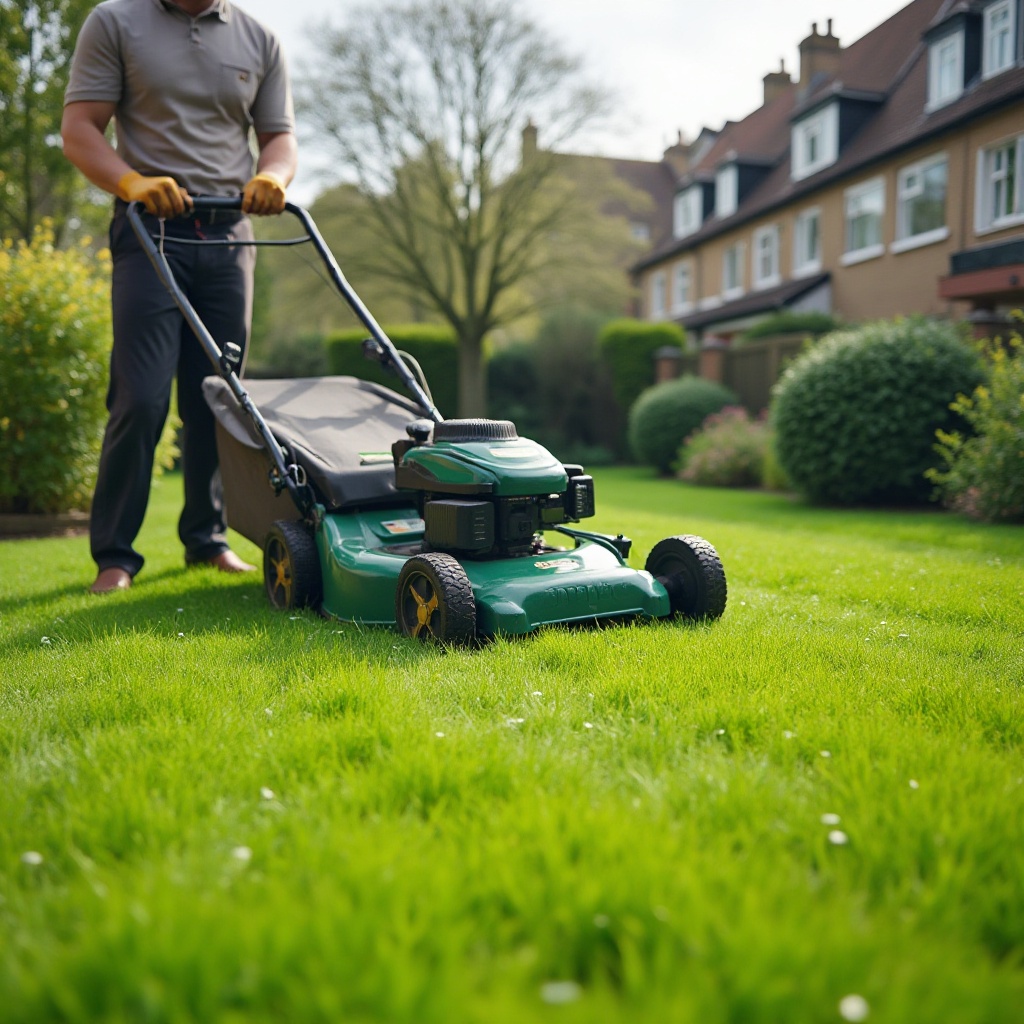
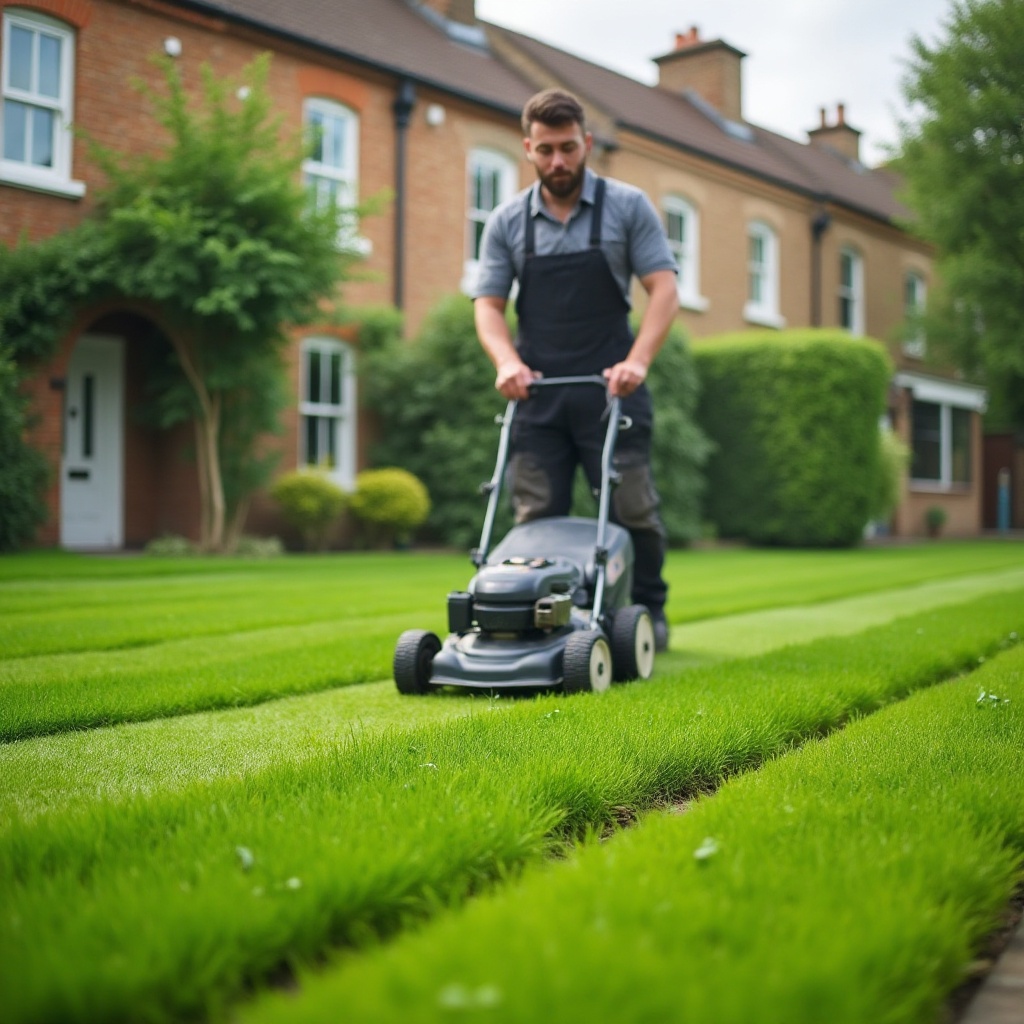
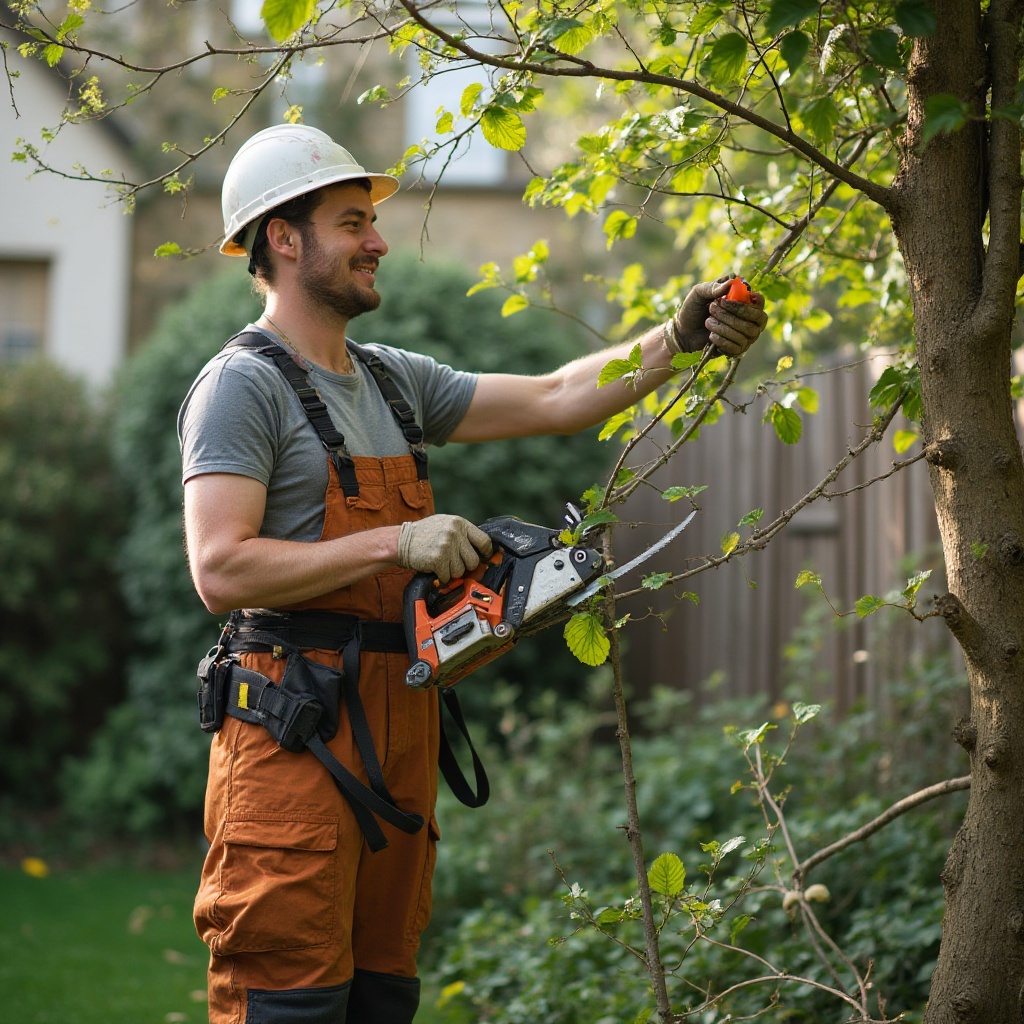
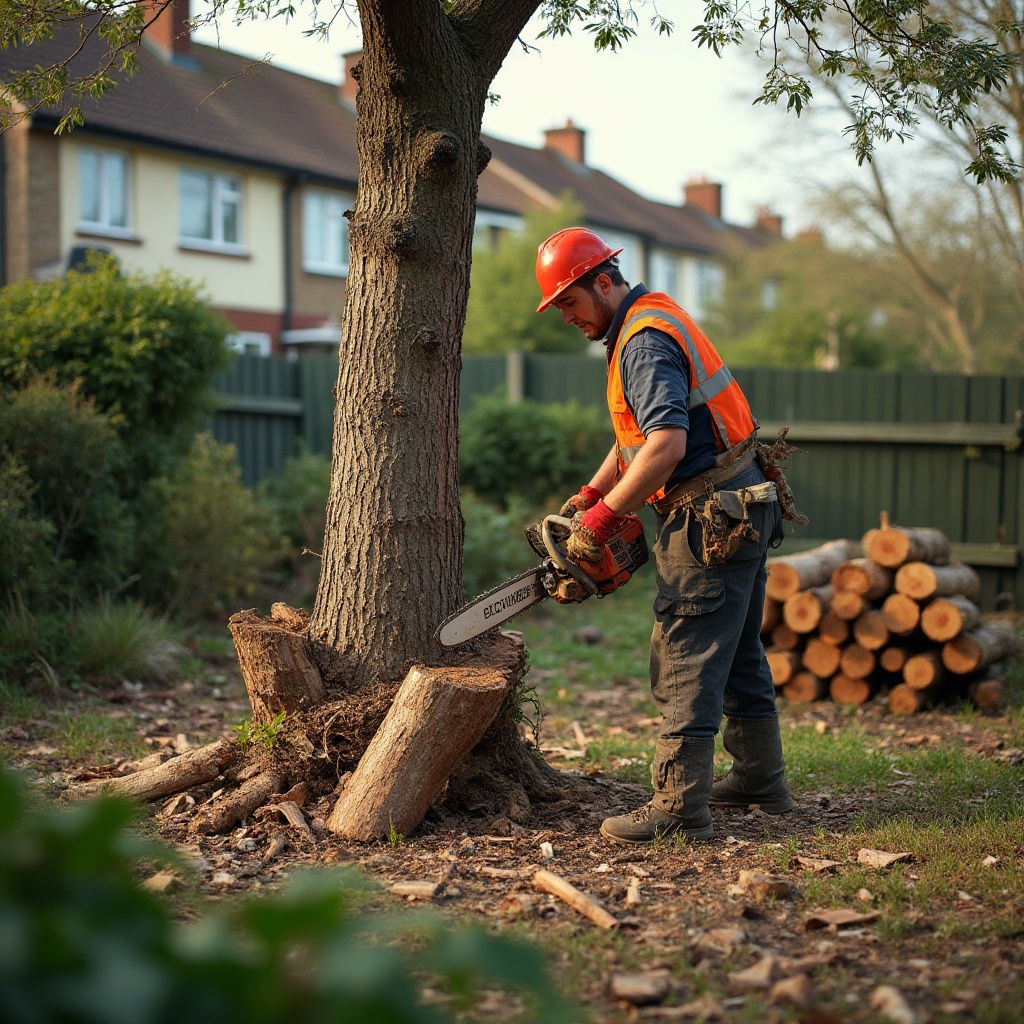
The work is carried out step by step — mowing, trimming, pruning, and clearing — using the right tools for the space and access available.
🌿 3. Final Tidy & Ongoing Advice
We finish by cleaning up the area, refining edges, and leaving the garden manageable. If needed, we’ll advise on simple upkeep between visits.
Honest reviews from homeowners and tenants in Putney who use our services to keep their gardens tidy and under control.
One of the biggest differences with landscaping compared to basic garden work is that decisions made at the start affect how the space performs for years. At Nature Garden Putney, we focus on creating layouts that are practical for everyday use, not just visually tidy on the day the work is finished.
A common issue in Putney gardens is trying to fit too many elements into a limited space. Small lawns, oversized patios, and poorly placed planting areas can make the garden feel crowded rather than usable. Instead, the layout needs to be balanced so movement through the space feels natural and each area has a clear purpose.
Drainage is another factor that’s often overlooked. In many London gardens, especially those with clay-heavy soil, water doesn’t drain quickly. This leads to puddling on lawns or shifting paving over time. To prevent this, we prepare the base properly using compacted sub-layers and, where needed, slight grading to guide water away from the property.
Material choice also plays a role in how the garden holds up. For example, natural stone paving weathers differently compared to standard concrete slabs, and some surfaces require more maintenance than others. We consider how the space will be used — whether it’s for seating, foot traffic, or general access — before deciding what materials are suitable.
Planting is introduced with a practical approach rather than purely decorative. In many Putney properties, low-maintenance planting works better, especially for clients who don’t want to spend time on regular upkeep. Shrubs that hold their shape and plants suited to local conditions reduce the need for constant attention.
Access and logistics continue to influence the work even during later stages. Materials such as paving slabs, turf rolls, and soil need to be moved carefully through the property in many cases. This affects both the speed of the project and how the work is phased to avoid disruption.
It’s also important to be realistic about timelines and results. Fresh turf, for example, needs time to establish before it can handle regular use. Newly planted areas require a settling period before they fully develop. Landscaping creates the structure, but the garden improves further over time with proper care.
The aim is to build a space that doesn’t just look organised initially, but continues to function well without constant adjustments. When planned properly, the garden becomes easier to use, easier to maintain, and more consistent throughout the year.
Before beginning a landscaping project with Nature Garden Putney, it’s important to think about how the garden will actually be used day to day. In many Putney homes, outdoor space is limited, so every decision — from layout to materials — has a direct impact on how practical the garden feels once finished.
Clear access is one of the first things to check. If materials need to pass through the house, protecting floors and planning movement routes helps keep the process smooth. It’s also useful to consider neighbours, especially in terraced properties, where noise and shared boundaries can affect working times.
Utilities are another factor. Drain covers, external taps, and cables are often positioned in ways that influence design choices. These need to remain accessible even after paving or turfing is completed.
Weather can also affect progress. Ground preparation and installation depend on stable conditions, so delays can happen if the soil is too wet or compacted.
Taking these details into account early helps avoid changes later and ensures the project runs efficiently from start to finish.