Garden Maintenance
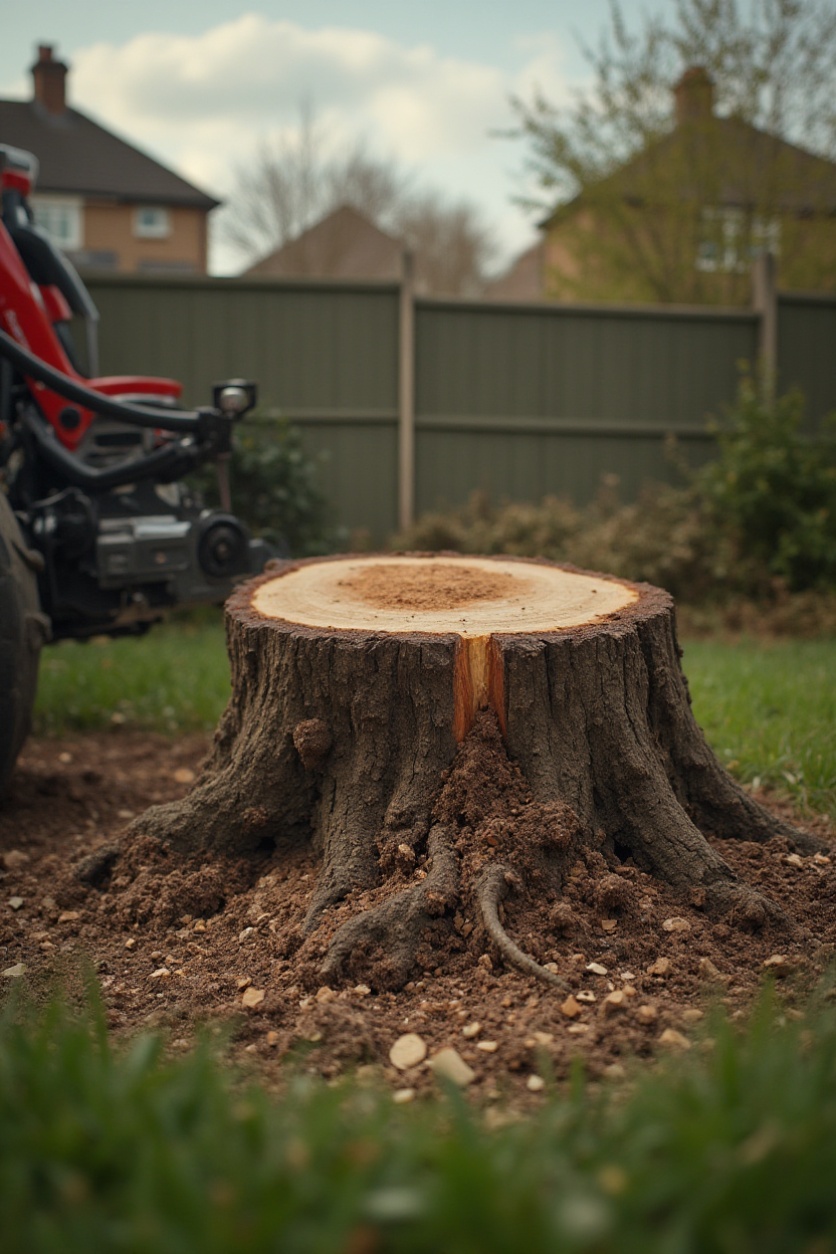
Stump grinding in Putney is used to remove unwanted tree stumps that are left behind after tree cutting or removal. This service is ideal for homeowners and landlords who want to clear space and prevent regrowth or trip hazards. In many London gardens, stumps can be difficult to deal with due to limited access and surrounding structures.
At Nature Garden Putney, stump grinding is usually carried out after a tree has been removed but the remaining stump is still taking up space or causing problems. In many Putney gardens, simply cutting a tree down isn’t enough — the stump left behind can be an obstacle, both visually and practically.
The process starts with checking the size, position, and condition of the stump. In London gardens, access is often limited, especially in terraced properties where everything has to go through the house. We assess how to bring in the equipment safely and whether there are nearby structures, fences, or underground services to consider.
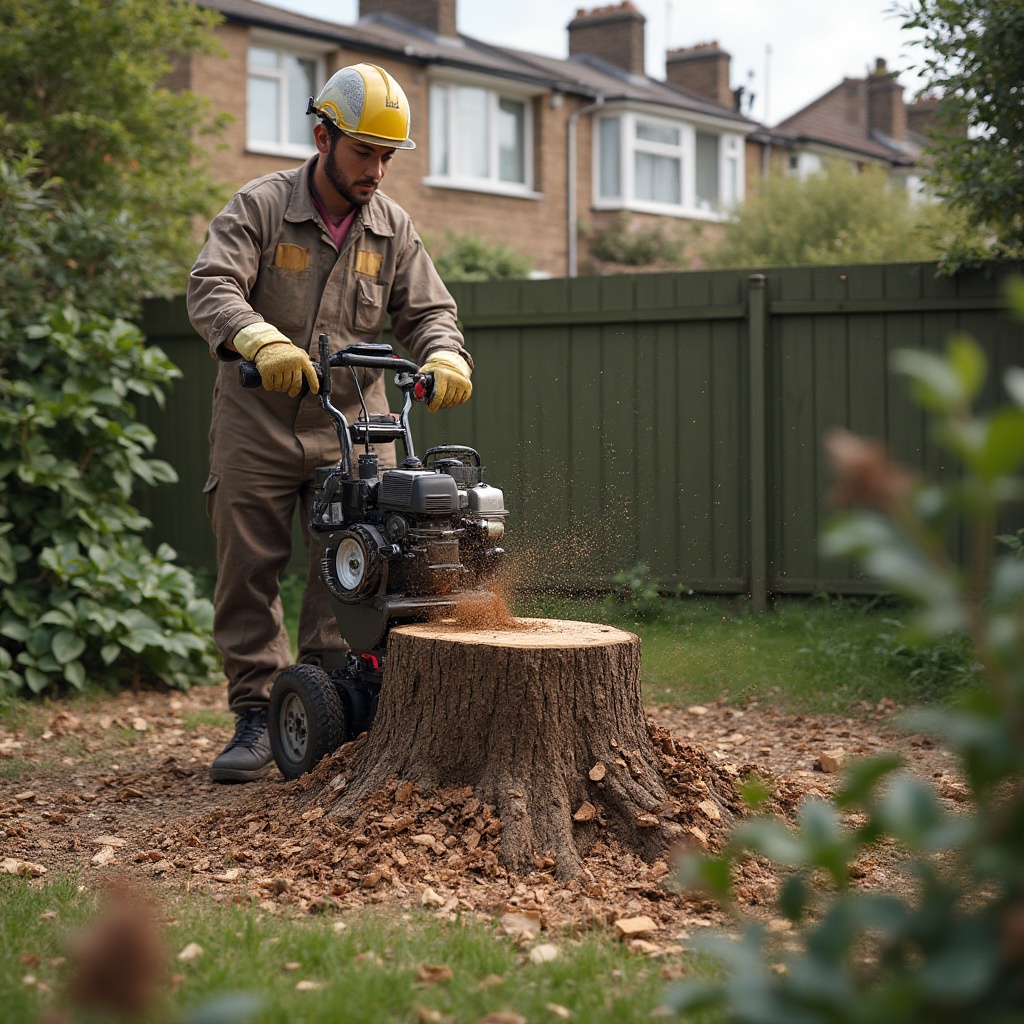
Once ready, we use a stump grinding machine to break the stump down gradually. The machine works by rotating a cutting wheel that chips away the wood in layers. This allows the stump to be reduced below ground level without disturbing the surrounding area more than necessary.
Grinding is done carefully to a depth where the stump no longer causes issues. In most cases, this is below the surface so the area can be levelled and reused. For example, it can be covered with soil, turf, or prepared for paving depending on future plans.
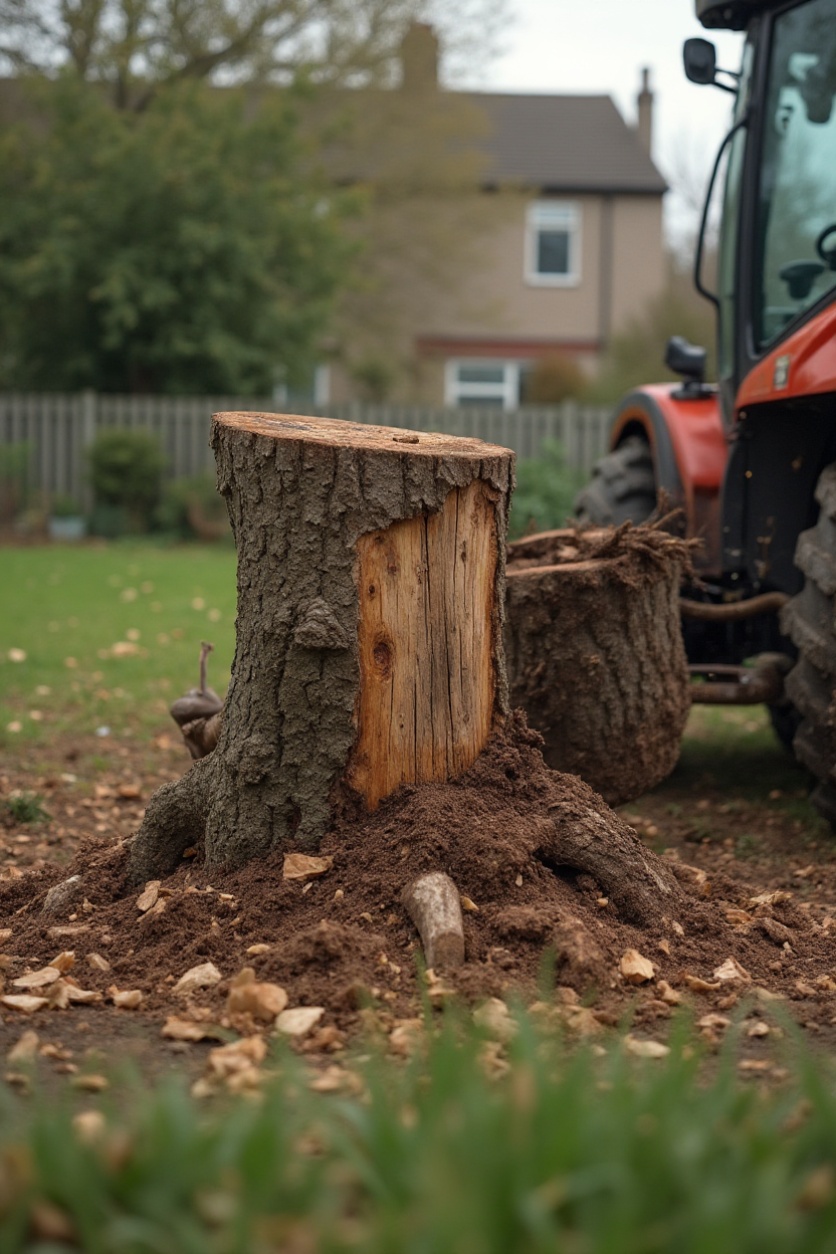
During the process, the stump is turned into wood chips rather than being removed in one piece. These wood chippings can either be taken away or reused on-site, for example as mulch in other parts of the garden.
Most stump grinding jobs take between 1 and 2 hours depending on the size and hardness of the wood. Larger or older stumps with dense root systems may take longer, especially if access is tight or the area is difficult to reach.
It’s important to understand that stump grinding removes the visible stump and upper root structure, but it doesn’t remove every root deep underground. However, once ground properly, regrowth is highly unlikely and the area becomes usable again.
The result is a clear, level space without the need for heavy digging or disruption. In many Putney gardens where space is limited, this makes a significant difference and allows the area to be used more practically.
🌿 1. Garden Check & Planning
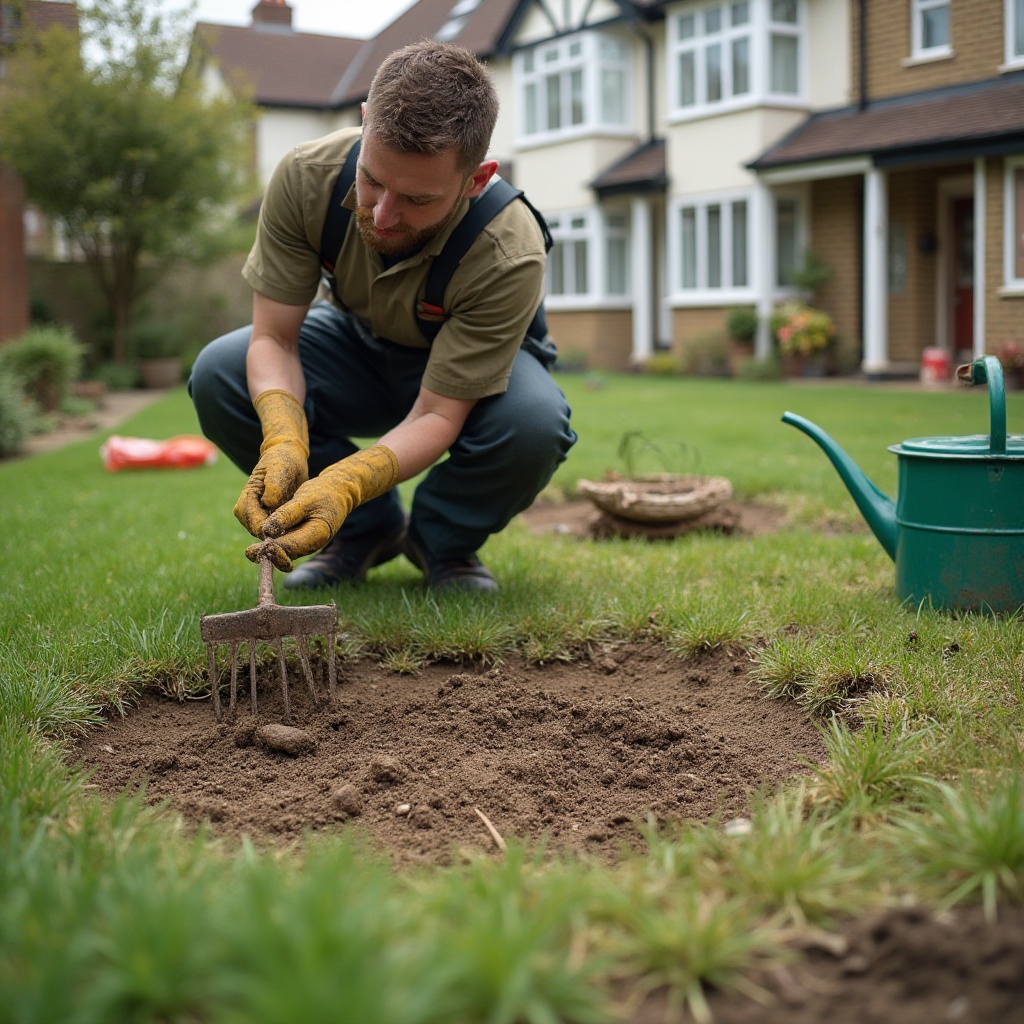
We start by assessing the garden, looking at lawn condition, overgrowth, and any problem areas. This helps us decide what actually needs doing, not just what looks obvious.
🌿 2. Practical Maintenance Work
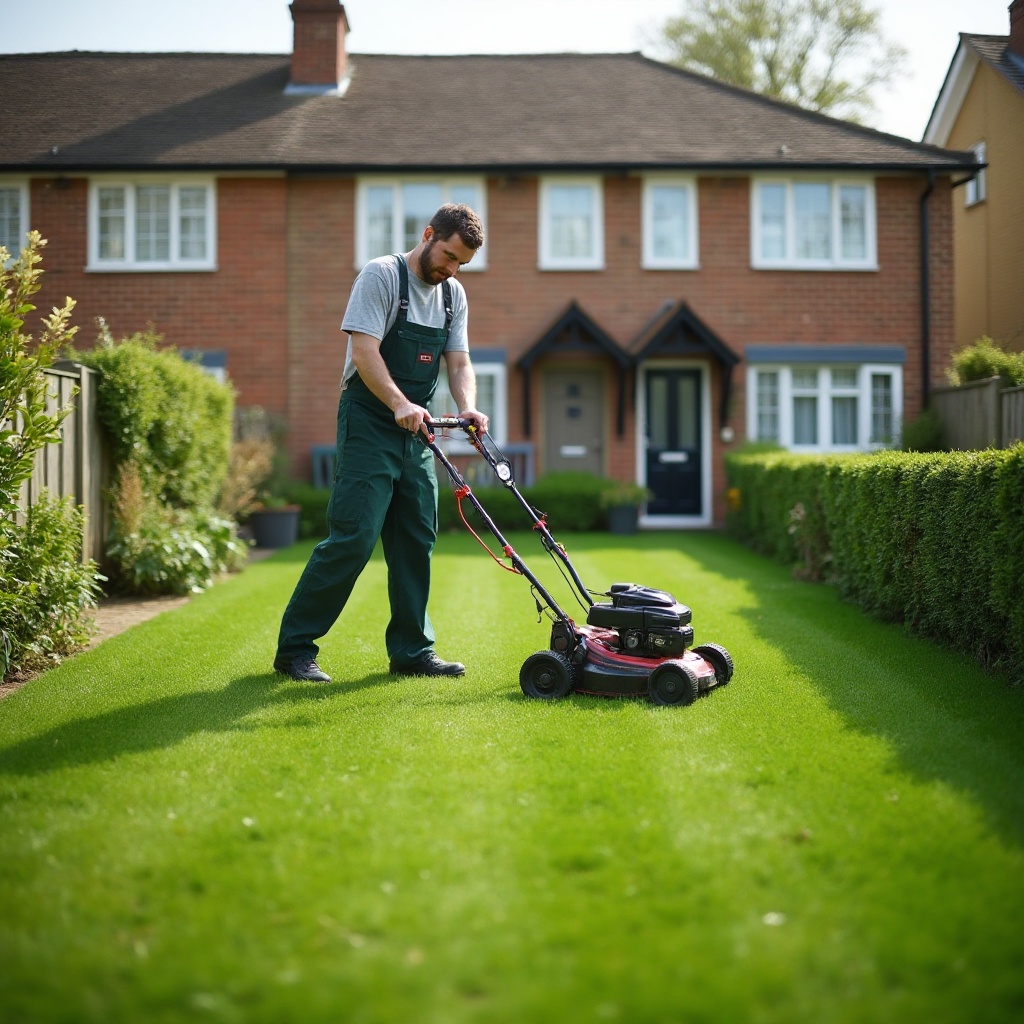
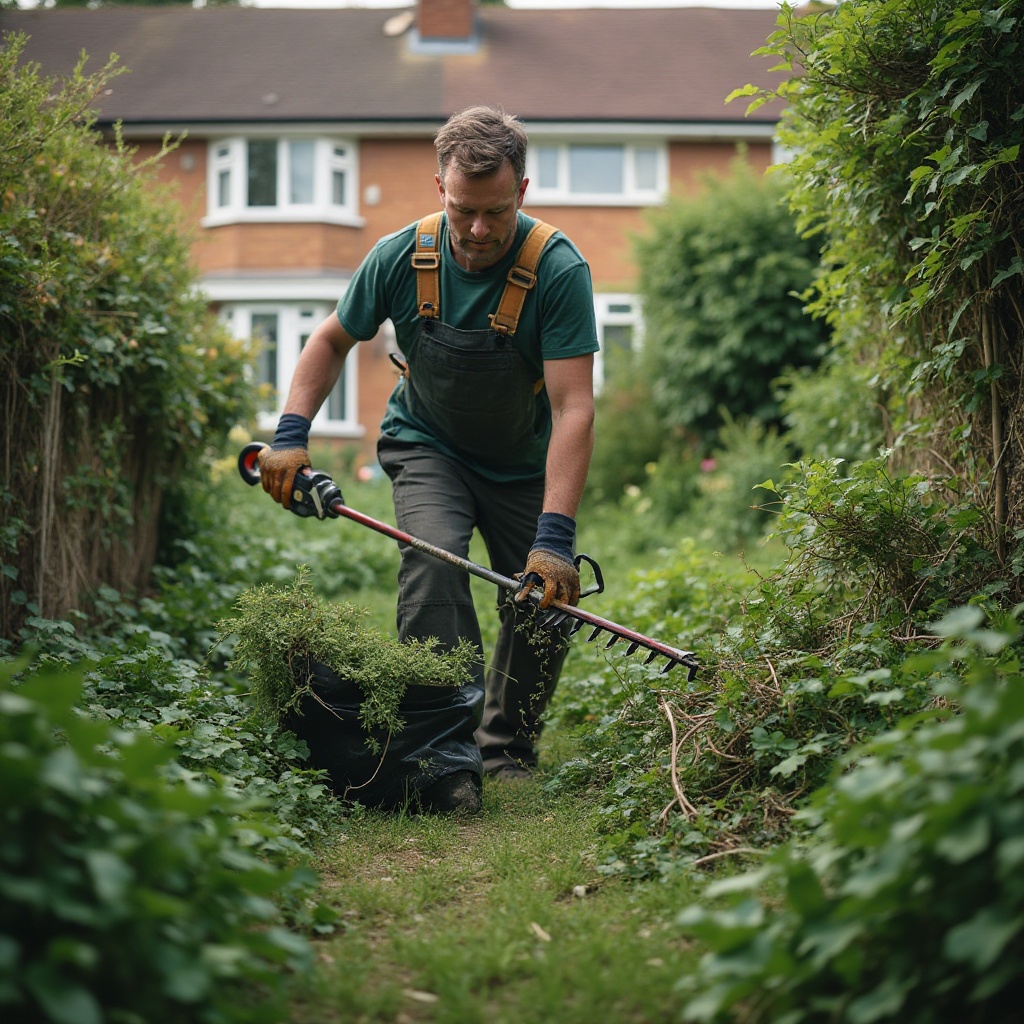
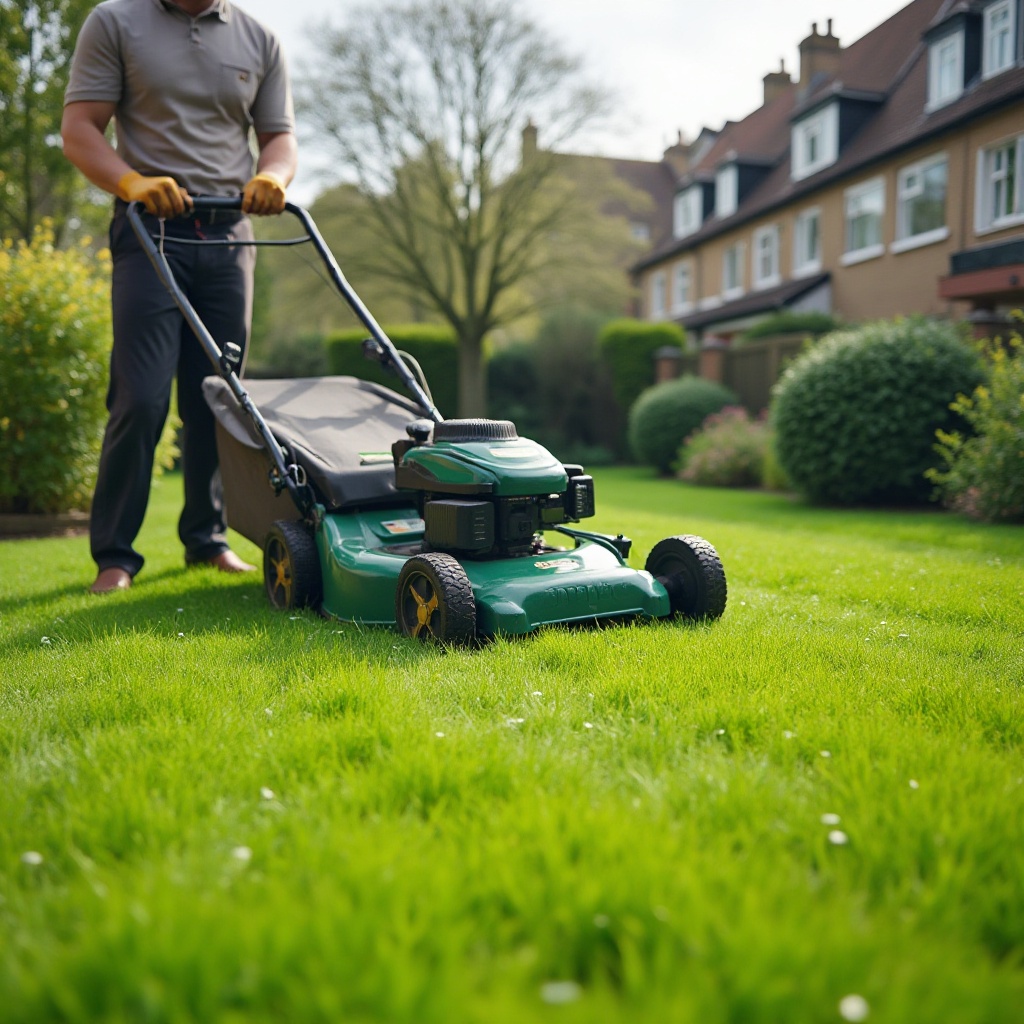
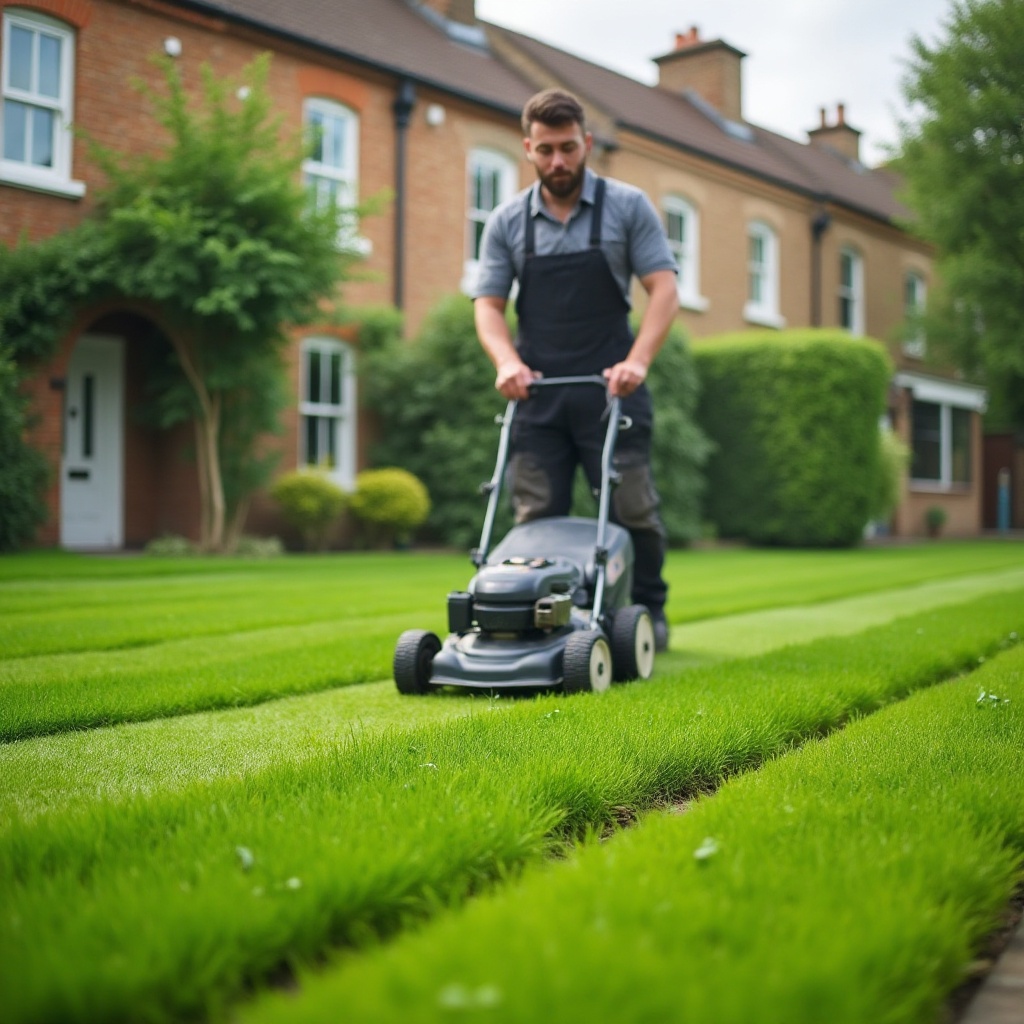
The work is carried out step by step — mowing, trimming, pruning, and clearing — using the right tools for the space and access available.
🌿 3. Final Tidy & Ongoing Advice
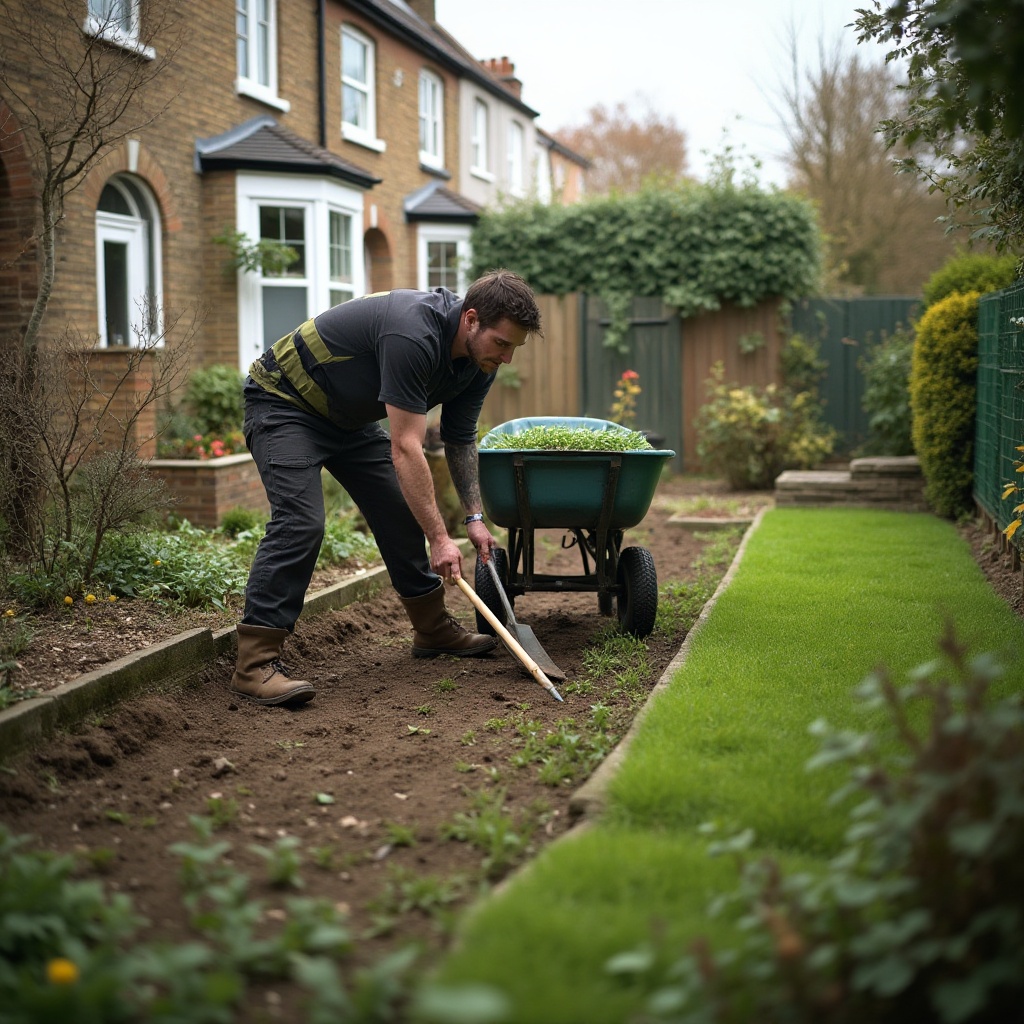
We finish by cleaning up the area, refining edges, and leaving the garden manageable. If needed, we’ll advise on simple upkeep between visits.
Honest reviews from homeowners and tenants in Putney who use our services to keep their gardens tidy and under control.
In Putney gardens, stump grinding is often more about access and surroundings than the stump itself. At Nature Garden Putney, we regularly work in spaces where the stump is close to walls, fences, patios, or even inside tight corners of small gardens. This means the approach needs to be controlled and planned carefully to avoid damage.
One of the first things we look at is access width. Many London properties have narrow side passages or no direct access at all, so equipment may need to pass through the house. In these cases, we use compact stump grinders designed for restricted spaces, but it can still affect how long the job takes.
Another important factor is what’s around the stump. Nearby structures, paving, or raised beds can limit how deep or wide the grinding can go. While the goal is always to remove the stump below ground level, there are situations where adjustments are needed to protect surrounding features.
Underground elements also need consideration. Although rare, things like pipes, cables, or drainage systems can run near where trees were planted. We always take a cautious approach when grinding in these areas to avoid unnecessary risk.
After the stump is ground down, the remaining space is filled with a mix of soil and wood chippings. These chippings break down naturally over time, but the area may settle slightly. If the plan is to lay turf or install paving, it’s often recommended to add fresh topsoil and level the ground properly before finishing.
It’s also worth understanding that different tree types behave differently. Hardwood stumps tend to take longer to grind due to their density, while softer woods are usually quicker to process. Older stumps can sometimes be easier to grind if they’ve started to decay, but this isn’t always the case.
Stump grinding solves the main problem — removing the visible obstruction — but it doesn’t instantly prepare the ground for heavy use. A short settling period or light preparation may be needed depending on what you plan to do next.
In the end, the benefit is clear. The space becomes usable again without digging out large root systems or causing major disruption, which is especially important in compact Putney gardens where every bit of space matters.

Before arranging stump grinding with Nature Garden Putney, it’s useful to think about what you want to do with the space afterwards. In many Putney gardens, the main goal is to free up room for turf, planting, or even paving, so planning ahead helps ensure the area is prepared correctly once the stump is removed.
Access is one of the most important practical factors. If the stump is located at the rear of the property with no direct side access, equipment will need to be brought through the house. Clearing a pathway in advance makes the process smoother and reduces the risk of disruption.
It’s also worth checking the immediate surroundings. Objects such as garden furniture, pots, or decorative features should be moved away from the stump area to allow safe operation of the grinding machine.
If multiple stumps are present, grouping the work into a single visit is usually more efficient. This saves time and allows the entire area to be cleared and levelled at once.
The aim is to remove the obstruction cleanly and leave the space ready for its next use without unnecessary complications.