Garden Maintenance
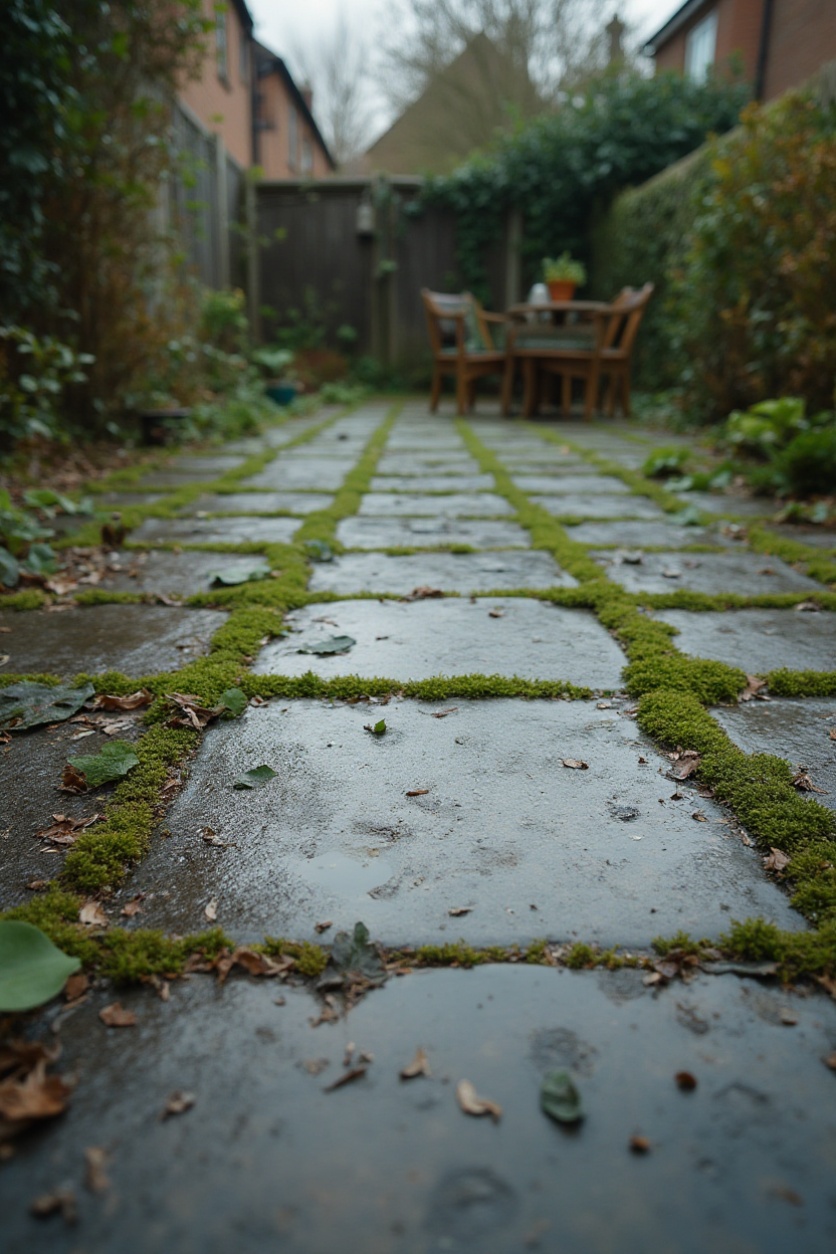
Patio cleaning in Putney is essential when paving becomes dirty, slippery, or stained from regular use and weather exposure. This service is ideal for homeowners and landlords who want to restore outdoor surfaces and make them safe to use again. In many London gardens, algae and grime build up quickly, especially in shaded or damp areas.
At Nature Garden Putney, patio cleaning is usually needed when outdoor surfaces start to look dull, stained, or become slippery underfoot. In many Putney gardens, paving is exposed to constant moisture, shade, and regular use, which creates the ideal conditions for algae and grime to build up over time.
The process begins with checking the condition of the surface. Not all patios can be cleaned in the same way. Some materials, like natural stone, require a more controlled approach, while concrete slabs can usually handle more intensive cleaning. Identifying the surface type helps avoid damage and ensures the right method is used.
Loose debris such as leaves, dirt, and moss is removed first. This step is important because it allows the cleaning process to focus directly on the surface rather than pushing debris around. In many London gardens, especially smaller ones, this build-up happens quickly due to limited airflow and shade.
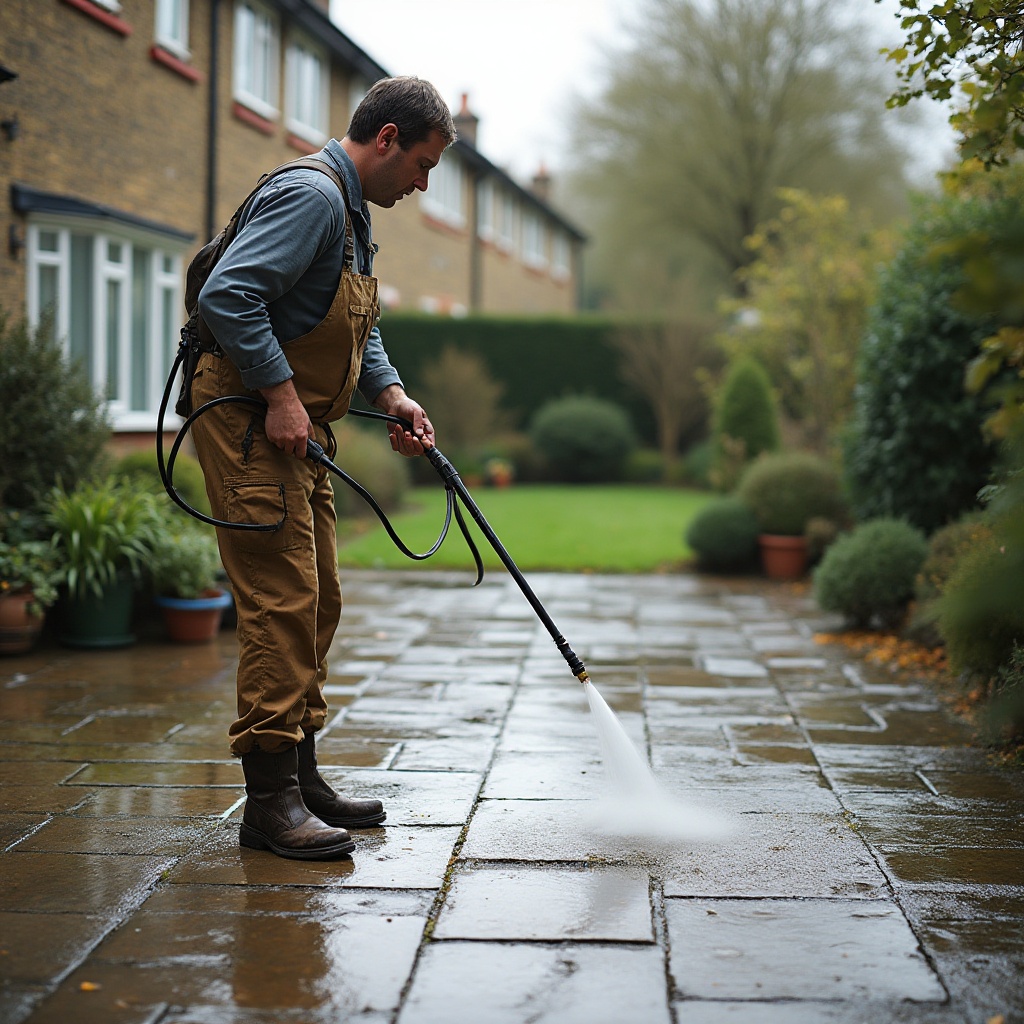
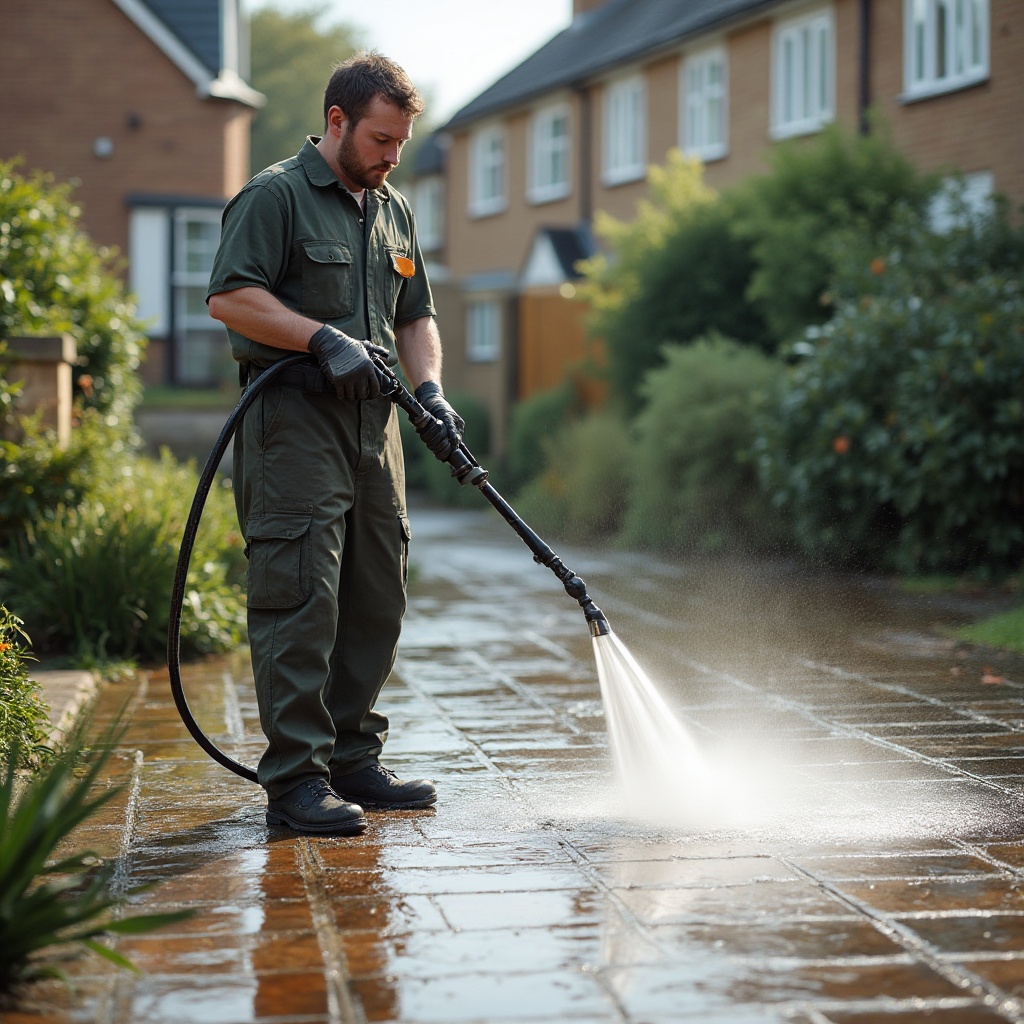
We then use pressure washing equipment to clean the paving. The pressure is carefully adjusted depending on the condition of the slabs and the level of dirt. Too much pressure can damage joints or the surface itself, while too little won’t remove deeper grime. The goal is to lift dirt, algae, and staining without affecting the structure of the patio.
Particular attention is given to the joints between slabs. These areas often hold the most moisture, which encourages moss and weed growth. Cleaning these gaps properly helps reduce regrowth and improves the overall finish.
In some cases, a surface treatment is applied after cleaning to slow down the return of algae and moss. This is especially useful in shaded Putney gardens where moisture remains for longer periods.
Most patio cleaning jobs take between 2 and 4 hours depending on the size of the area and how heavily soiled the surface is. Larger or more neglected patios may take longer or require a second pass to fully restore the appearance.
It’s important to be realistic about results. While patio cleaning removes most dirt and staining, it may not eliminate deep-set marks or permanent discolouration in older surfaces.
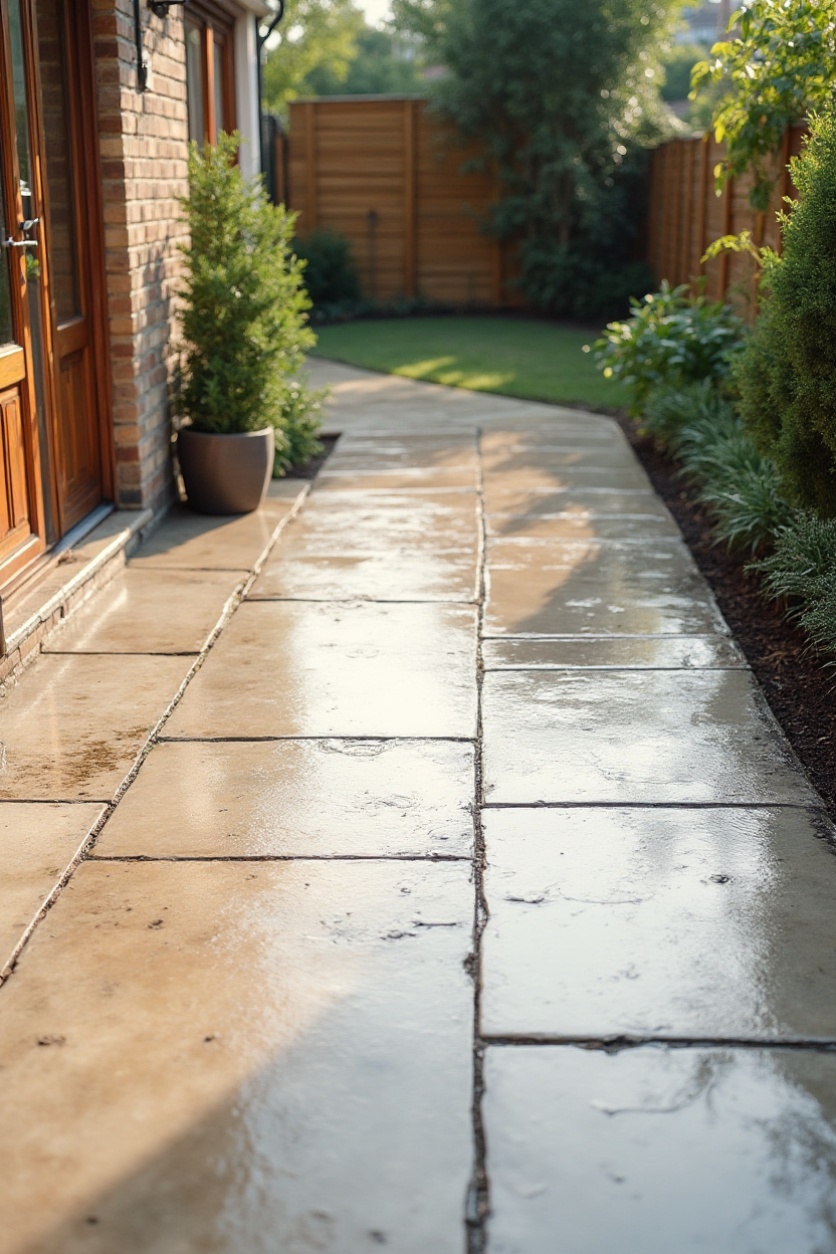
Once cleaned, the patio becomes safer to walk on and easier to maintain. Regular cleaning helps prevent build-up from reaching the same level again, keeping the space usable throughout the year
🌿 1. Garden Check & Planning
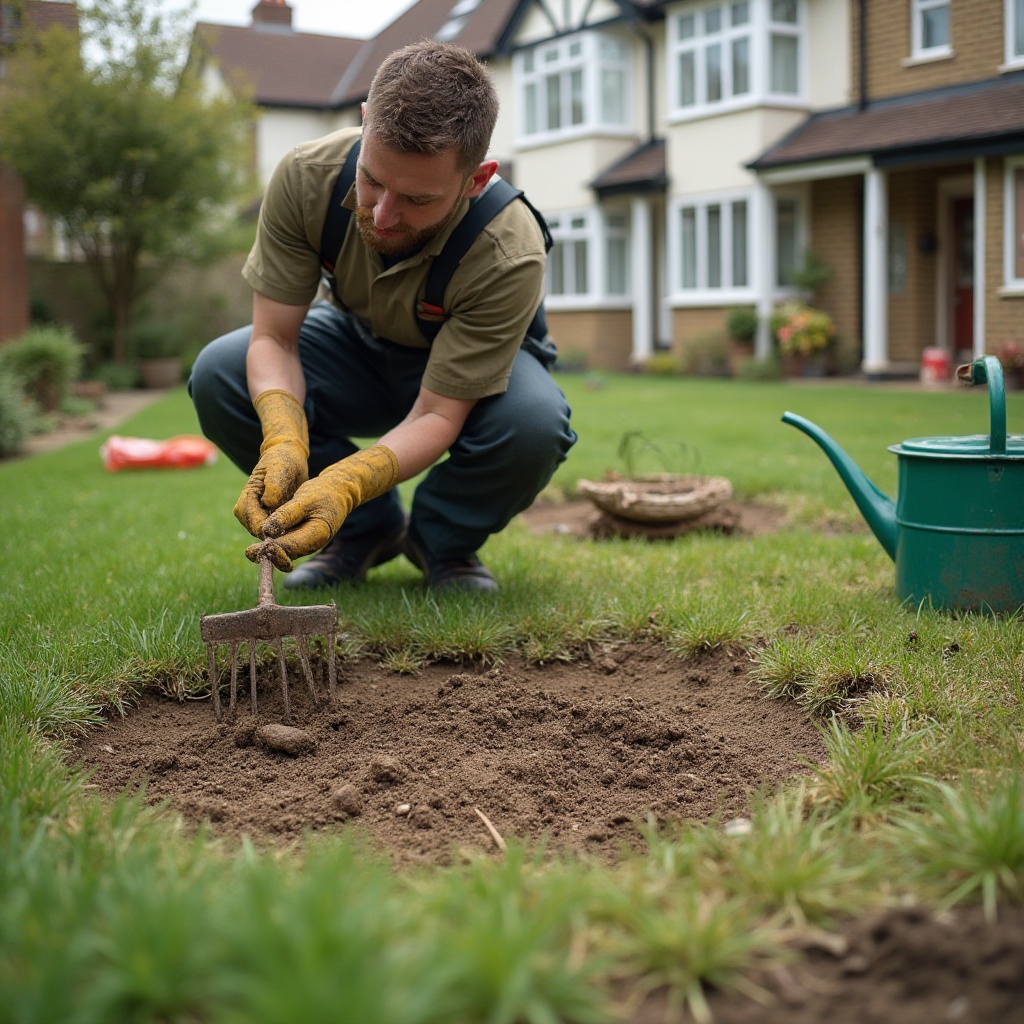
We start by assessing the garden, looking at lawn condition, overgrowth, and any problem areas. This helps us decide what actually needs doing, not just what looks obvious.
🌿 2. Practical Maintenance Work
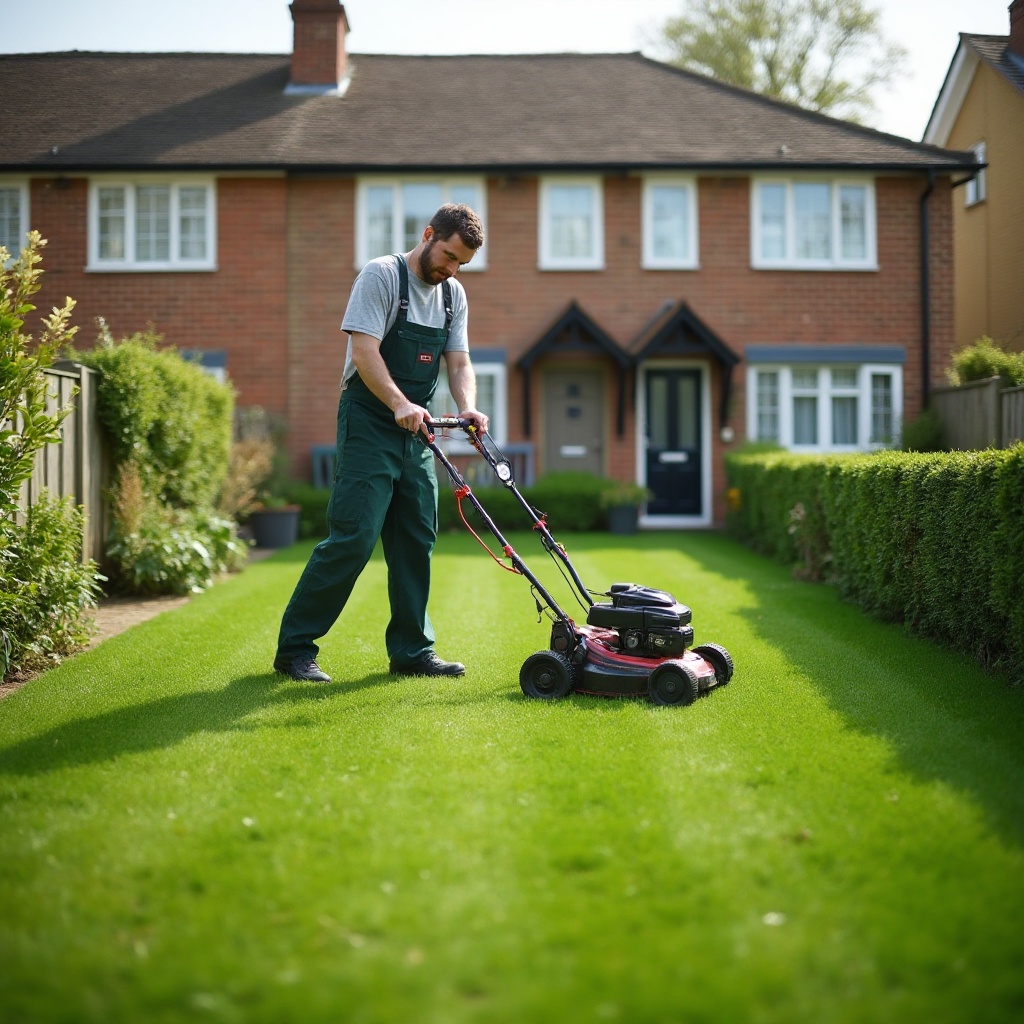
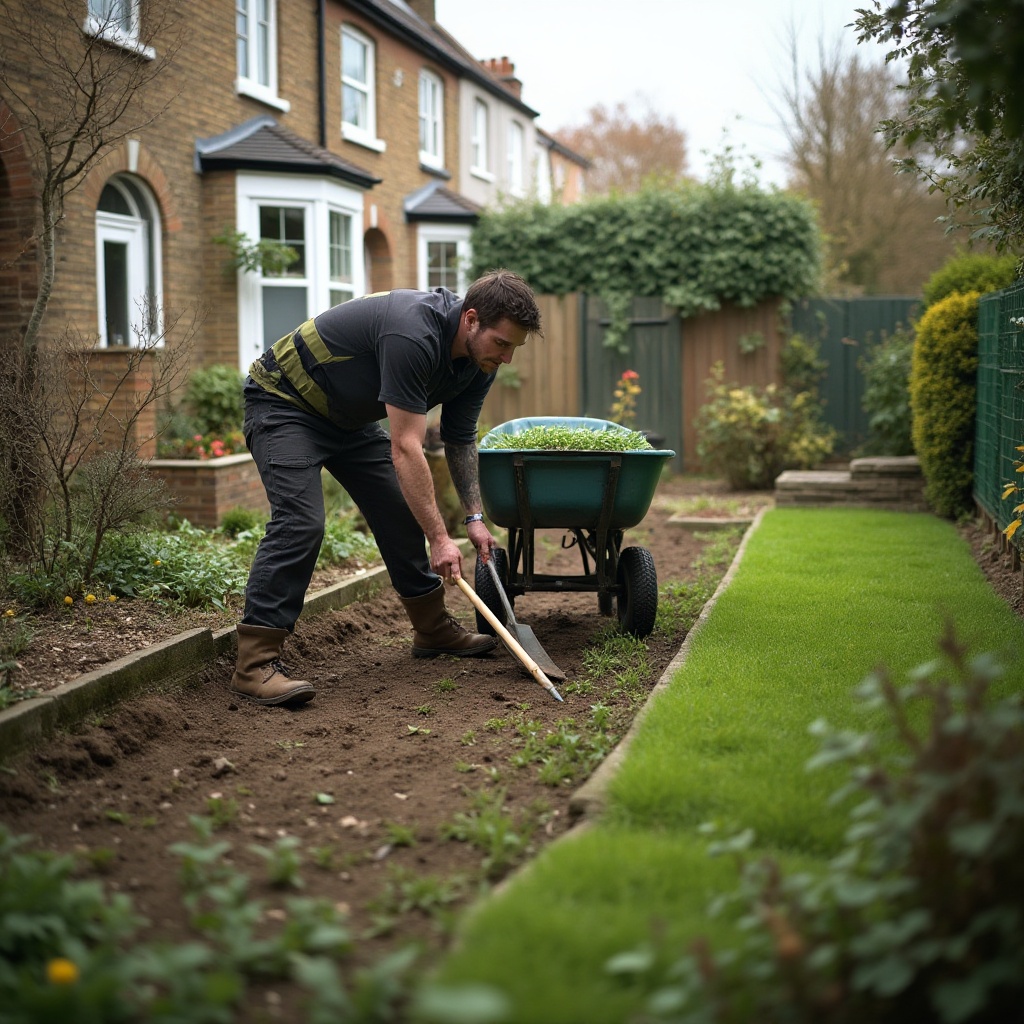
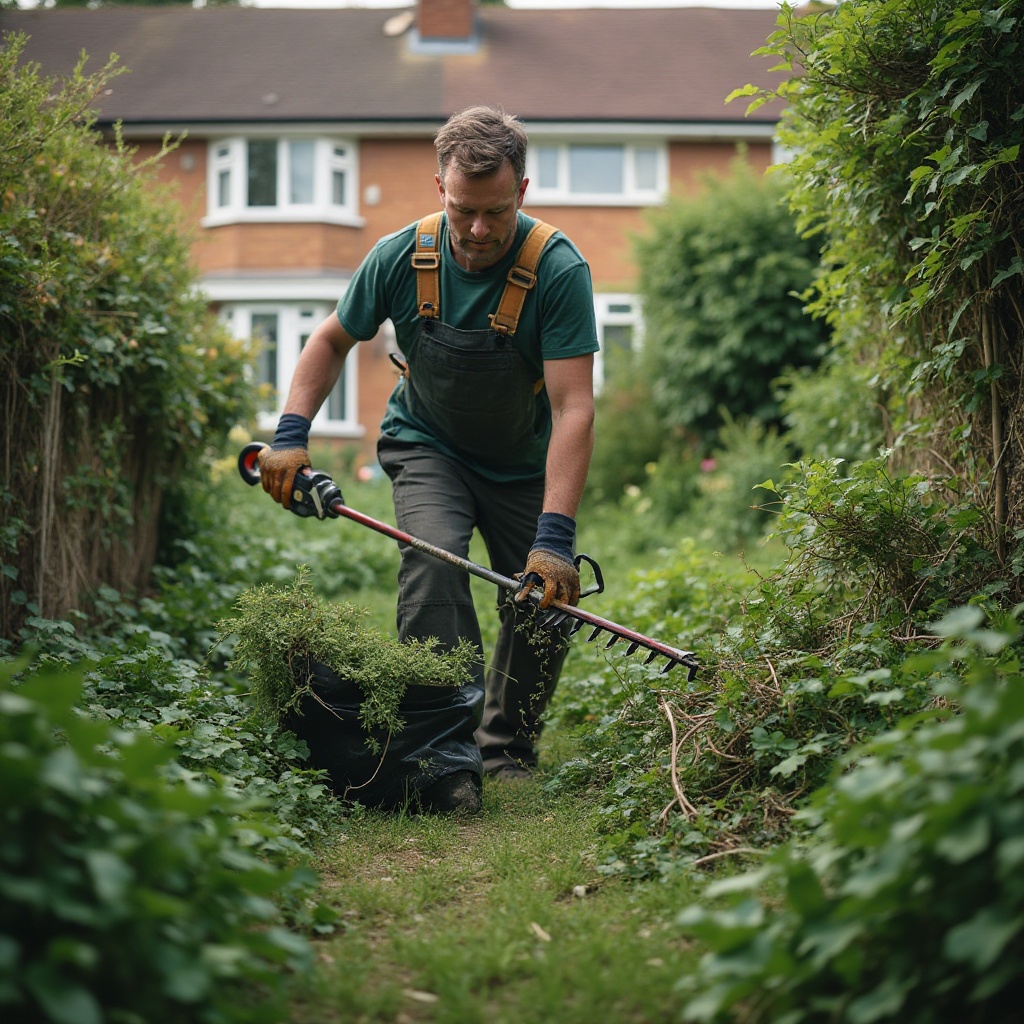
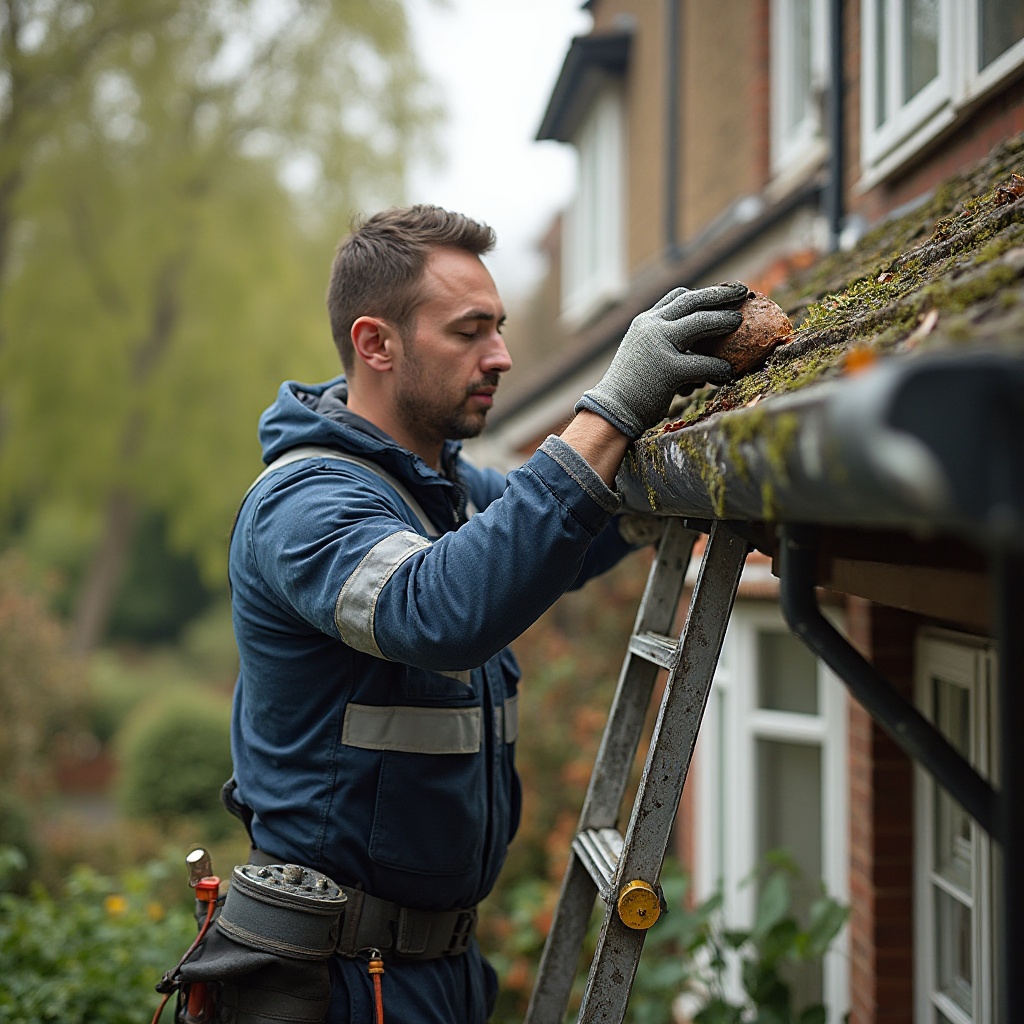
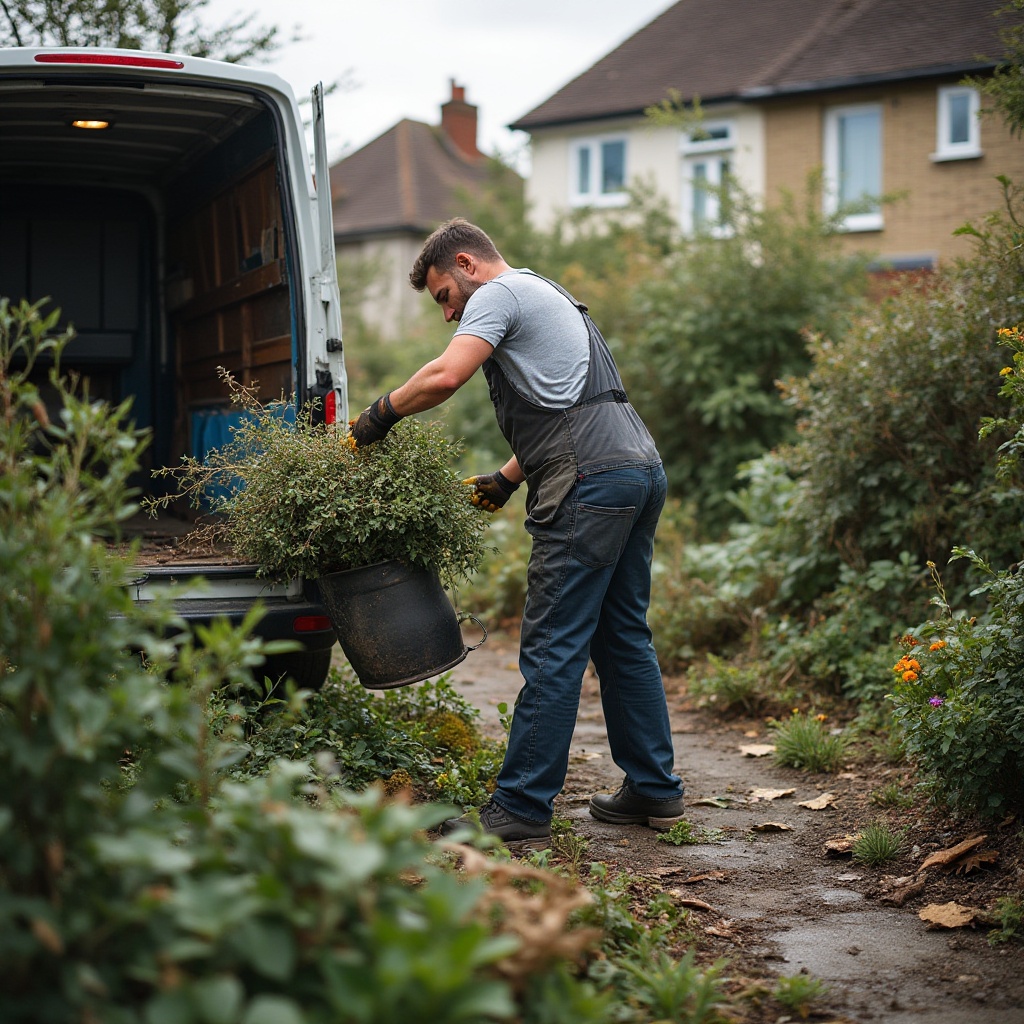
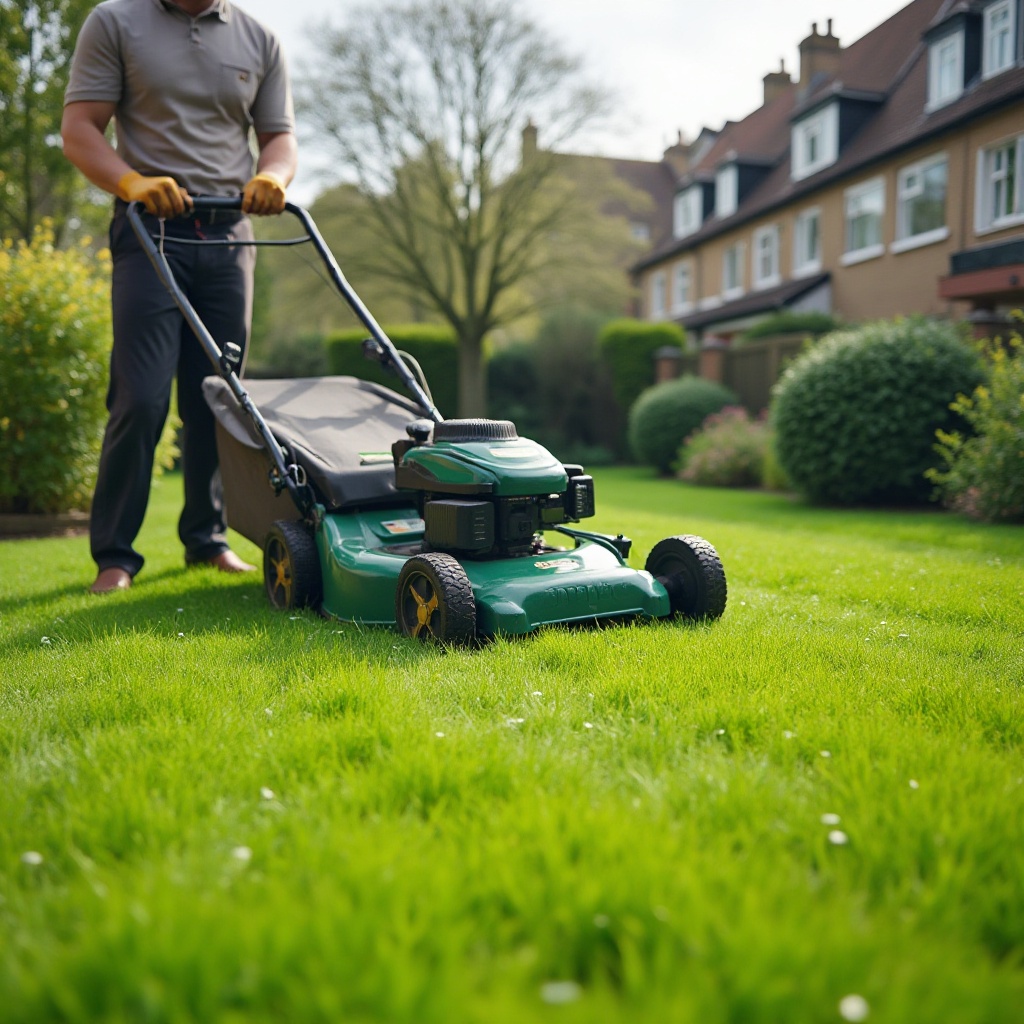
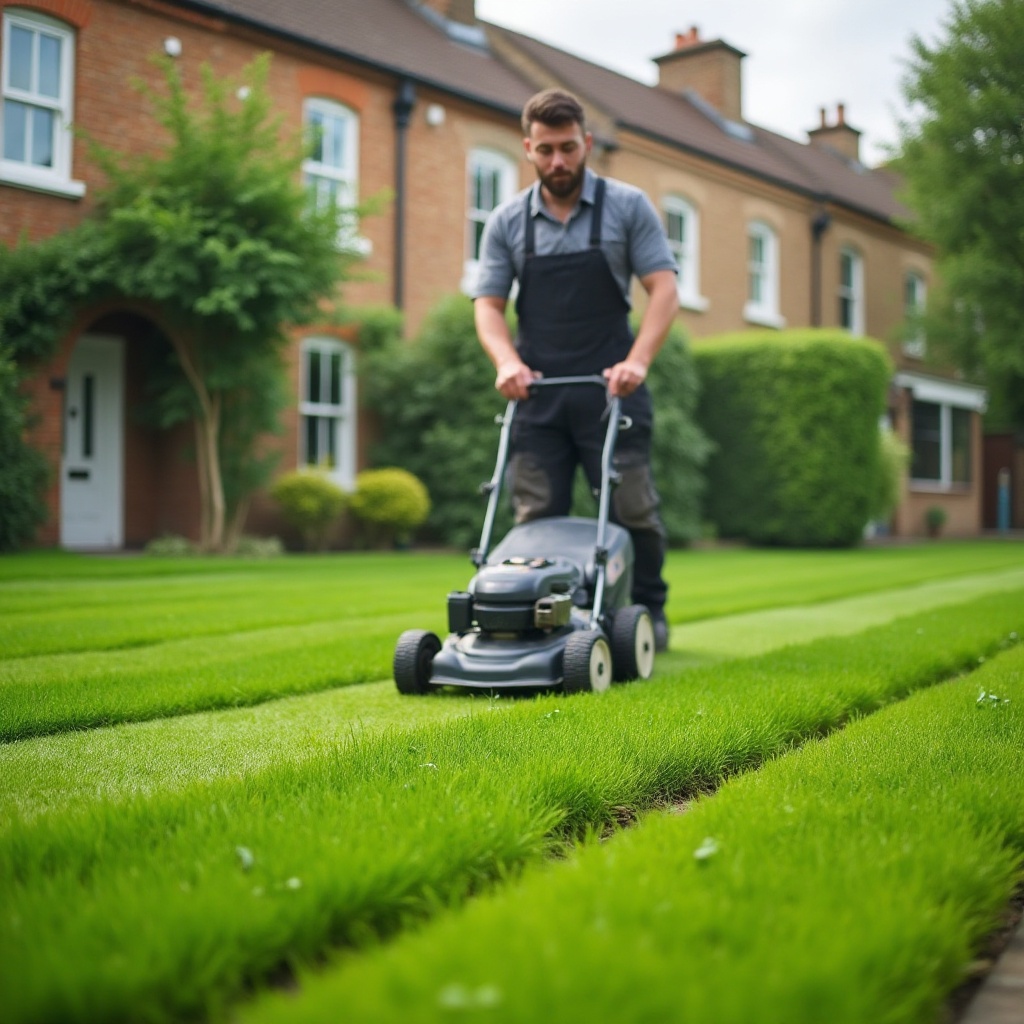
The work is carried out step by step — mowing, trimming, pruning, and clearing — using the right tools for the space and access available.
🌿 3. Final Tidy & Ongoing Advice
We finish by cleaning up the area, refining edges, and leaving the garden manageable. If needed, we’ll advise on simple upkeep between visits.
Honest reviews from homeowners and tenants in Putney who use our services to keep their gardens tidy and under control.
In Putney gardens, patio surfaces rarely become dirty overnight. At Nature Garden Putney, we usually see a gradual build-up caused by moisture, shade, and everyday use. Over time, this creates a layer of grime that not only affects appearance but also makes the surface slippery.
One of the main causes is algae growth. In many London gardens, patios are partially shaded by fences, trees, or surrounding buildings. This reduces sunlight and keeps the surface damp for longer, which is exactly what algae needs to develop. Once it forms, it spreads quickly across the paving and becomes more noticeable after rain.
Another common issue is organic debris such as leaves, soil, and dust. These materials settle into the surface and joints, breaking down over time and creating a dark layer that standard washing won’t remove. In smaller Putney gardens where airflow is limited, this build-up tends to stay in place rather than being naturally cleared.
The joints between slabs are particularly vulnerable. Moisture collects in these gaps, allowing moss and small weeds to grow. If left untreated, this can start to loosen jointing material and affect the stability of the paving over time.
Weather also plays a role. Frequent rain followed by mild temperatures creates ideal conditions for dirt and algae to develop. During colder months, surfaces may stay wet for longer periods, which accelerates the problem.
To manage this, regular cleaning is key. Light maintenance such as sweeping and occasional rinsing can help slow down build-up, but it won’t remove deeper contamination. Periodic pressure washing clears the surface properly and resets the condition of the patio.
It’s also important to consider drainage. If water tends to sit on the surface after rain, the problem will return more quickly. In some cases, minor adjustments to the slope or surrounding areas can improve how water drains away.
There are also limitations to what cleaning can achieve. Deep stains from rust, oil, or long-term wear may not be fully removable, especially on older paving. However, even in these cases, cleaning significantly improves the overall look and safety of the area.
With consistent care, patios stay cleaner for longer and are easier to maintain. Instead of dealing with heavy build-up each time, the surface remains more stable, safer underfoot, and better suited for regular use in a typical Putney garden.

Before booking patio cleaning with Nature Garden Putney, it helps to check the current condition of the surface and how the area is used. In many Putney gardens, patios are used regularly for seating or access, which means dirt and wear build up more quickly in certain spots.
It’s useful to clear the area of furniture, pots, and other items before the visit. This allows the entire surface to be cleaned evenly and avoids leaving untreated patches. If needed, we can move lighter items, but having the space prepared helps speed up the process.
Water drainage is another factor to keep in mind. If water tends to collect in certain areas after rain, those sections may require extra attention during cleaning and may become dirty again more quickly over time.
Access to an outdoor tap is usually required for pressure washing. In most London properties this is straightforward, but it’s worth confirming in advance.
The goal is to clean the surface thoroughly and restore safe, usable paving without causing disruption to your outdoor space.