Garden Maintenance
Lawn care in Putney is essential when grass becomes uneven, patchy, or difficult to maintain due to regular use and changing weather conditions. This service is ideal for homeowners and landlords who want a healthier, more consistent lawn without ongoing issues. In many London gardens, soil quality, shade, and foot traffic all affect how well grass grows.
At Nature Garden Putney, lawn care is usually needed when the grass stops growing evenly and starts to look worn or patchy. In many Putney gardens, lawns deal with a mix of shade, foot traffic, and compacted soil, which makes it difficult for grass to stay healthy without regular attention.
The first step is understanding the condition of the lawn. Some areas may be thin due to lack of sunlight, while others become compacted from regular use. In smaller London gardens, this is more noticeable because the same areas are used repeatedly, especially around seating or pathways.
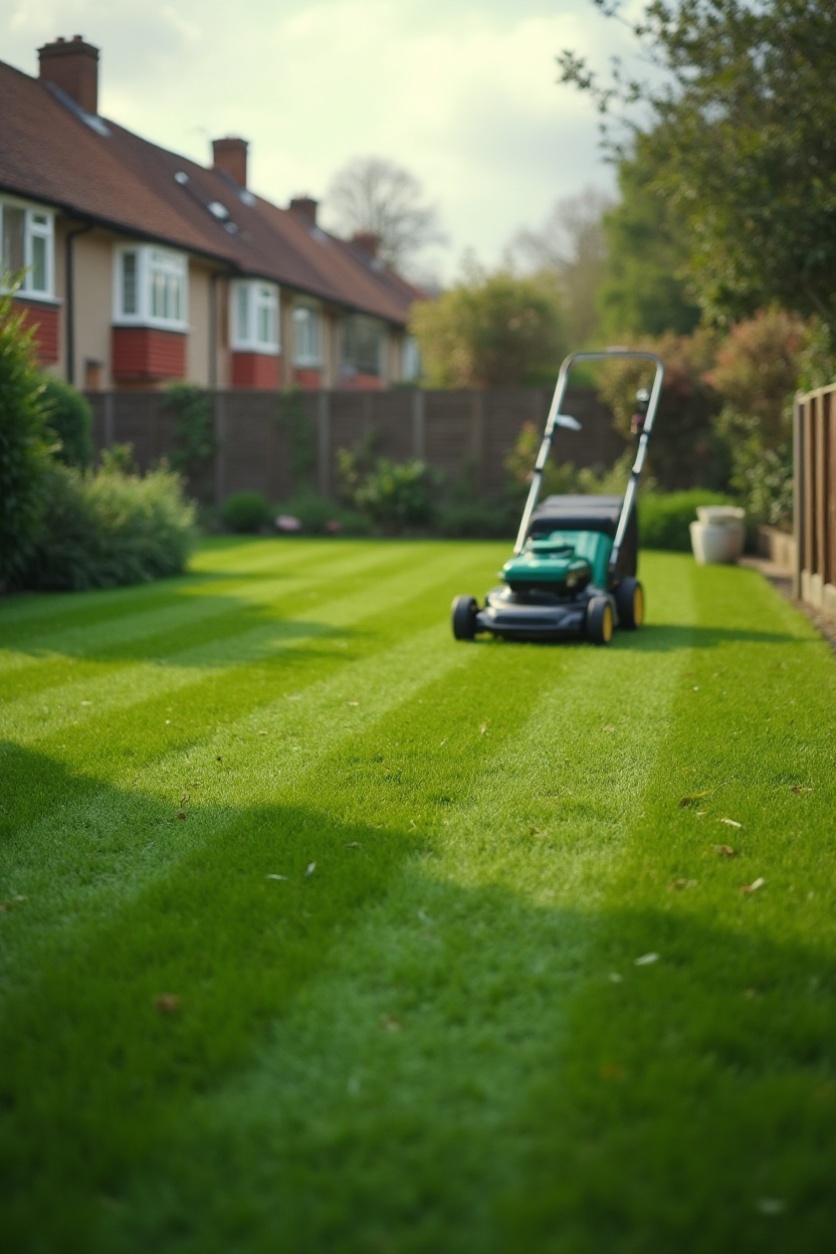
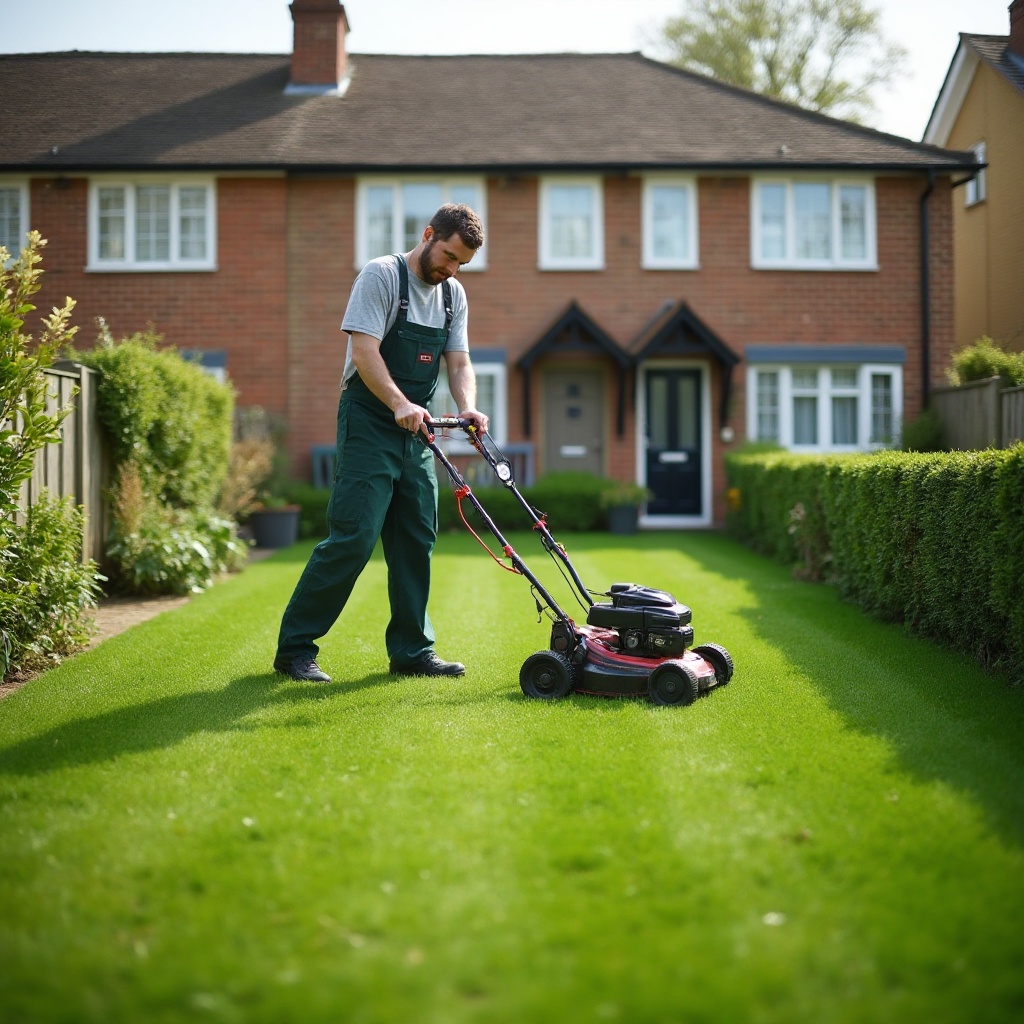
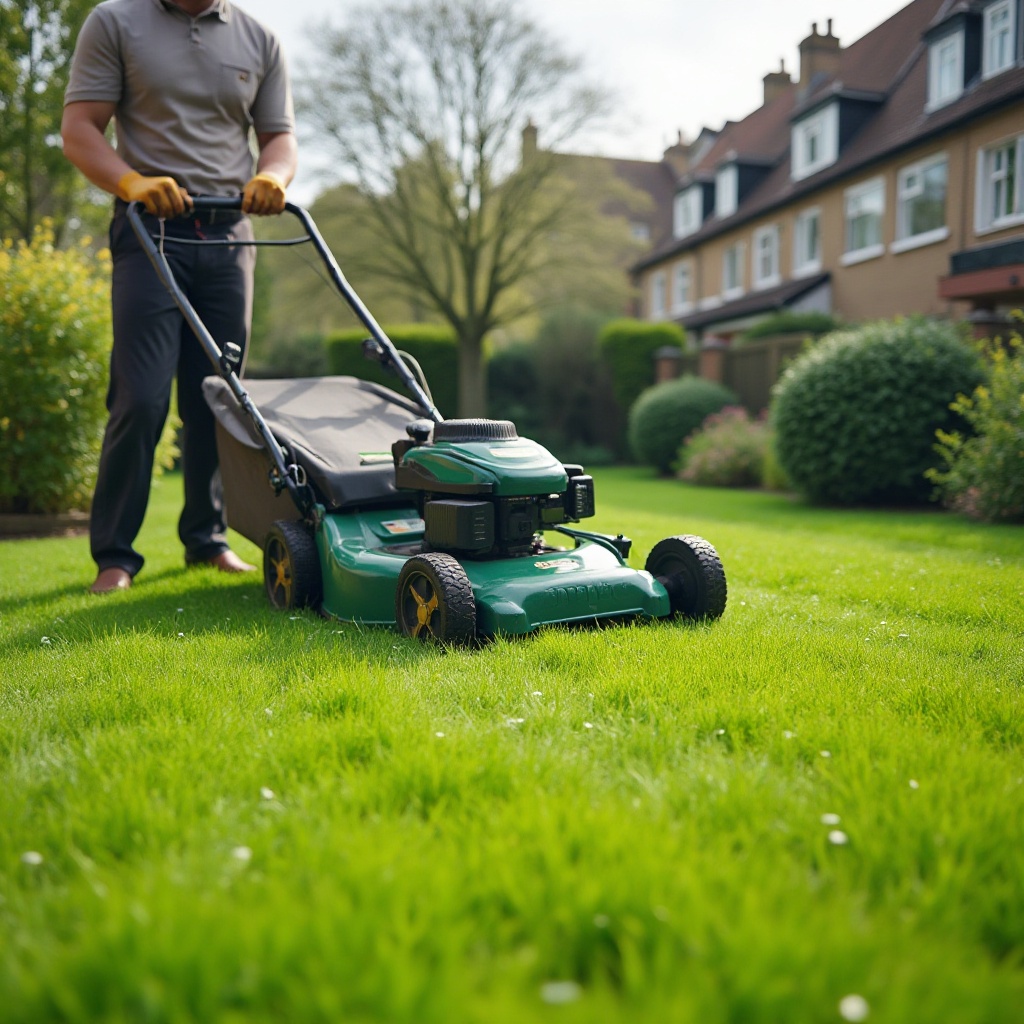
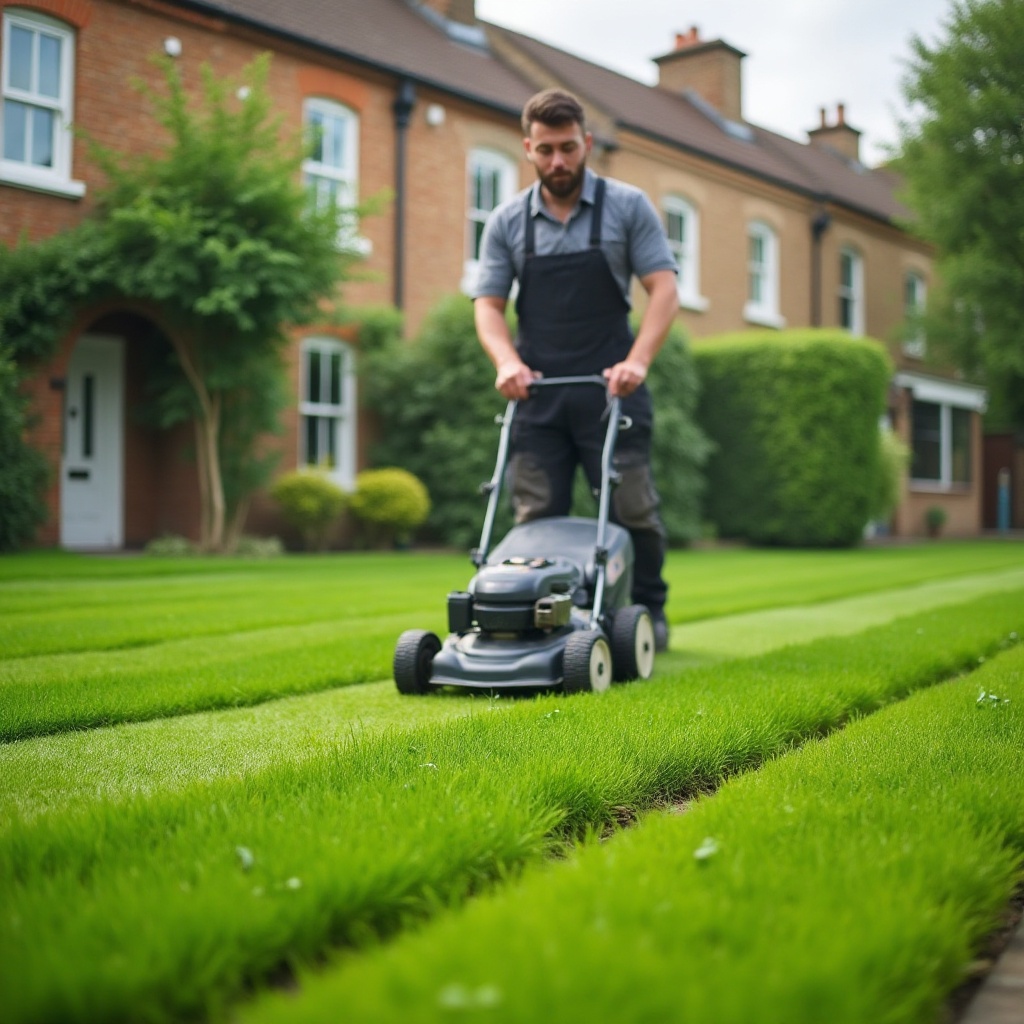
Mowing is the most visible part of lawn care, but it needs to be done correctly. Cutting grass too short weakens it and can lead to patchy growth. We use professional mowers with adjustable heights to gradually bring the lawn to an even level without stressing it. Edging is then carried out to keep borders clean and prevent grass from spreading into beds or paving.
For lawns that have already started to decline, additional work is often required. Scarifying is used to remove thatch — a layer of dead grass and debris that builds up over time and blocks water and nutrients from reaching the soil. This is typically done with mechanical scarifiers that lift out the compacted material without damaging the healthy grass underneath.
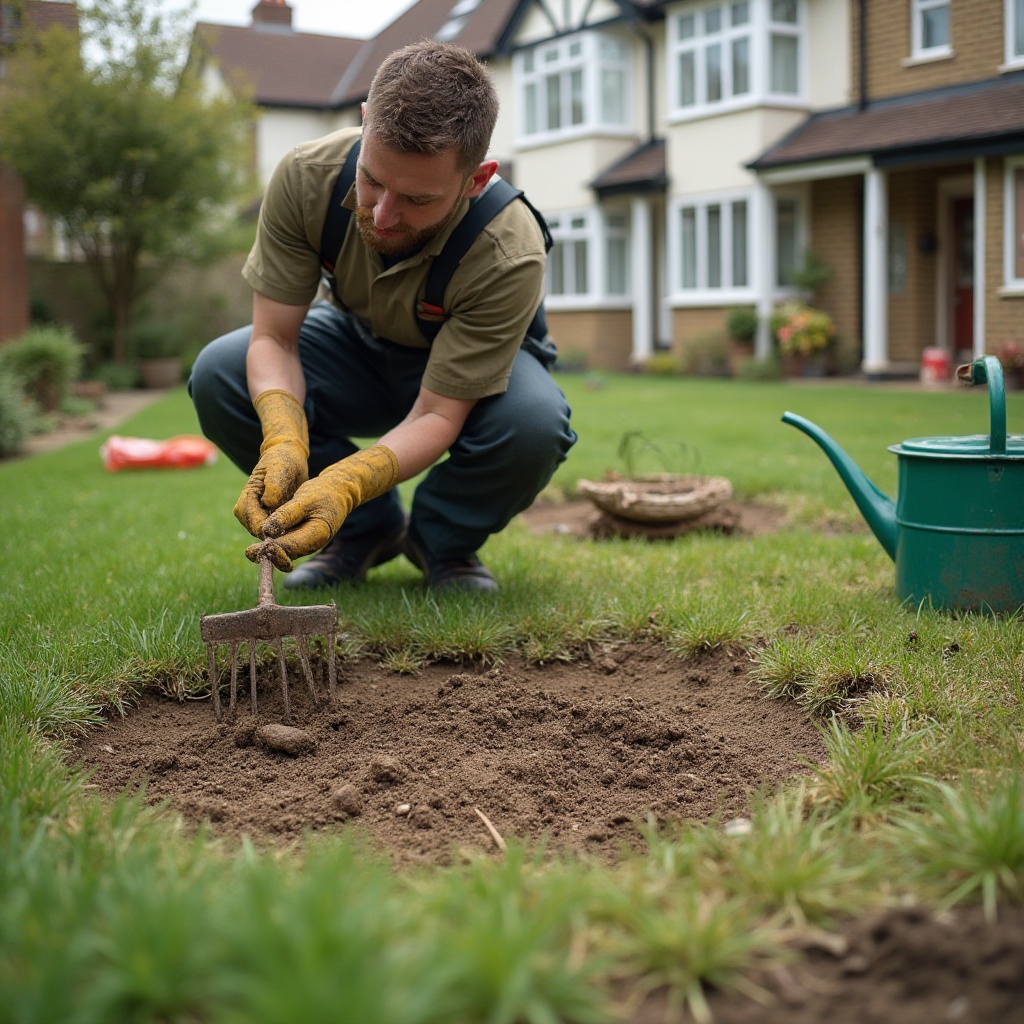
Aeration is another key process, especially in Putney gardens where soil becomes compacted. Using spike or plug aerators, small holes are created in the lawn to allow air, water, and nutrients to reach the roots more effectively. This helps improve overall growth and makes the lawn more resilient.
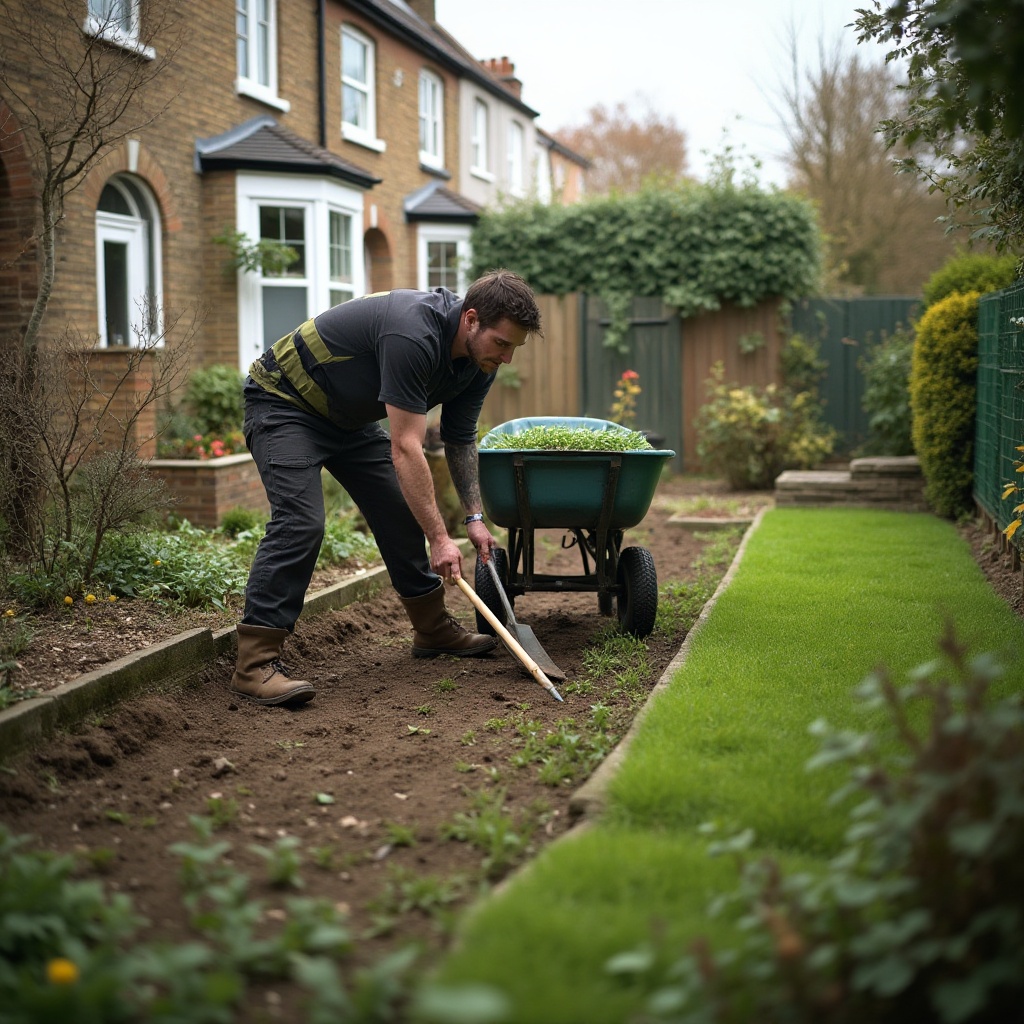
Reseeding is often needed in patchy areas. New grass seed is applied after preparing the surface, usually combined with light topsoil to help it establish properly. This is common in areas that have been worn down or affected by shade.
Most lawn care visits take between 1 and 3 hours depending on the size and condition of the garden. However, improvements don’t happen instantly. Lawns respond gradually, especially after treatments like aeration and reseeding.
It’s important to be realistic — lawn care improves condition over time, but it won’t completely fix issues like heavy shade or poor drainage without additional work.
🌿 1. Garden Check & Planning
We start by assessing the garden, looking at lawn condition, overgrowth, and any problem areas. This helps us decide what actually needs doing, not just what looks obvious.
🌿 2. Practical Maintenance Work
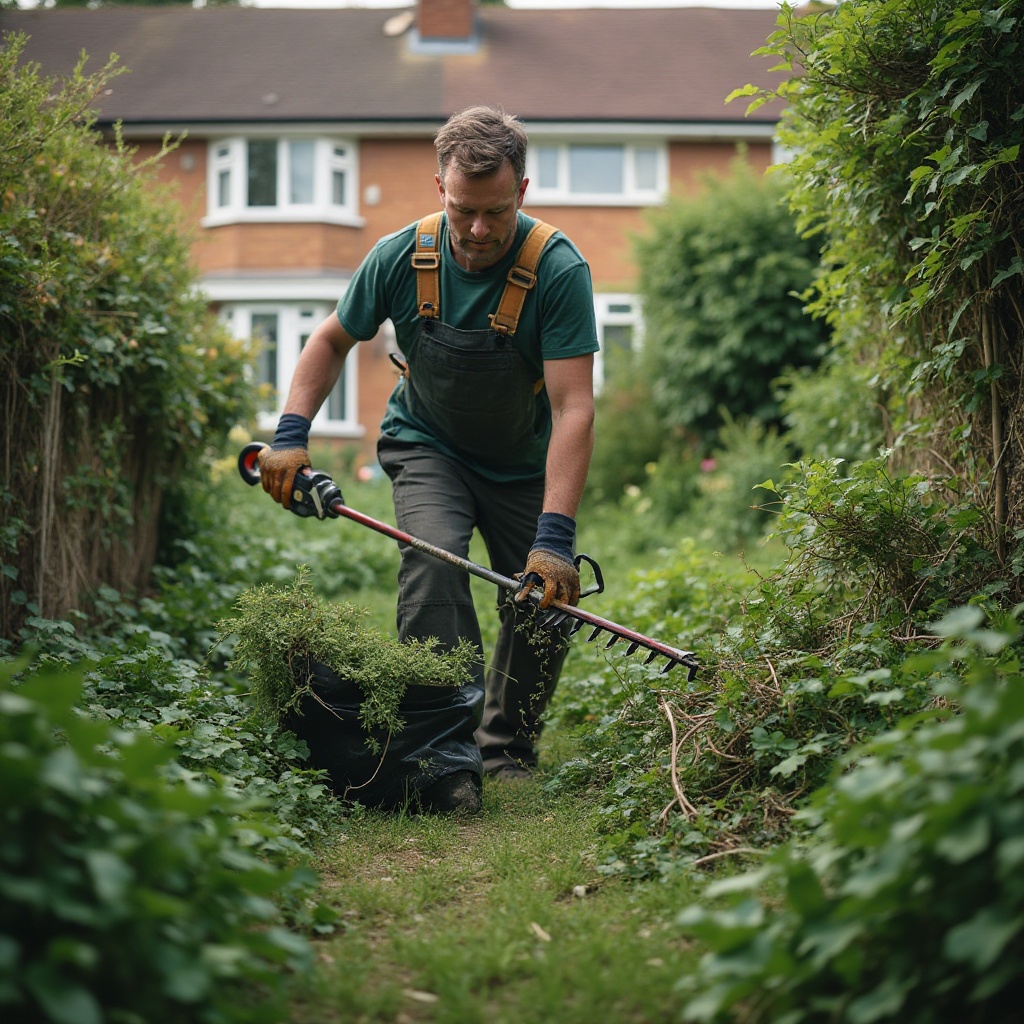
The work is carried out step by step — mowing, trimming, pruning, and clearing — using the right tools for the space and access available.
🌿 3. Final Tidy & Ongoing Advice
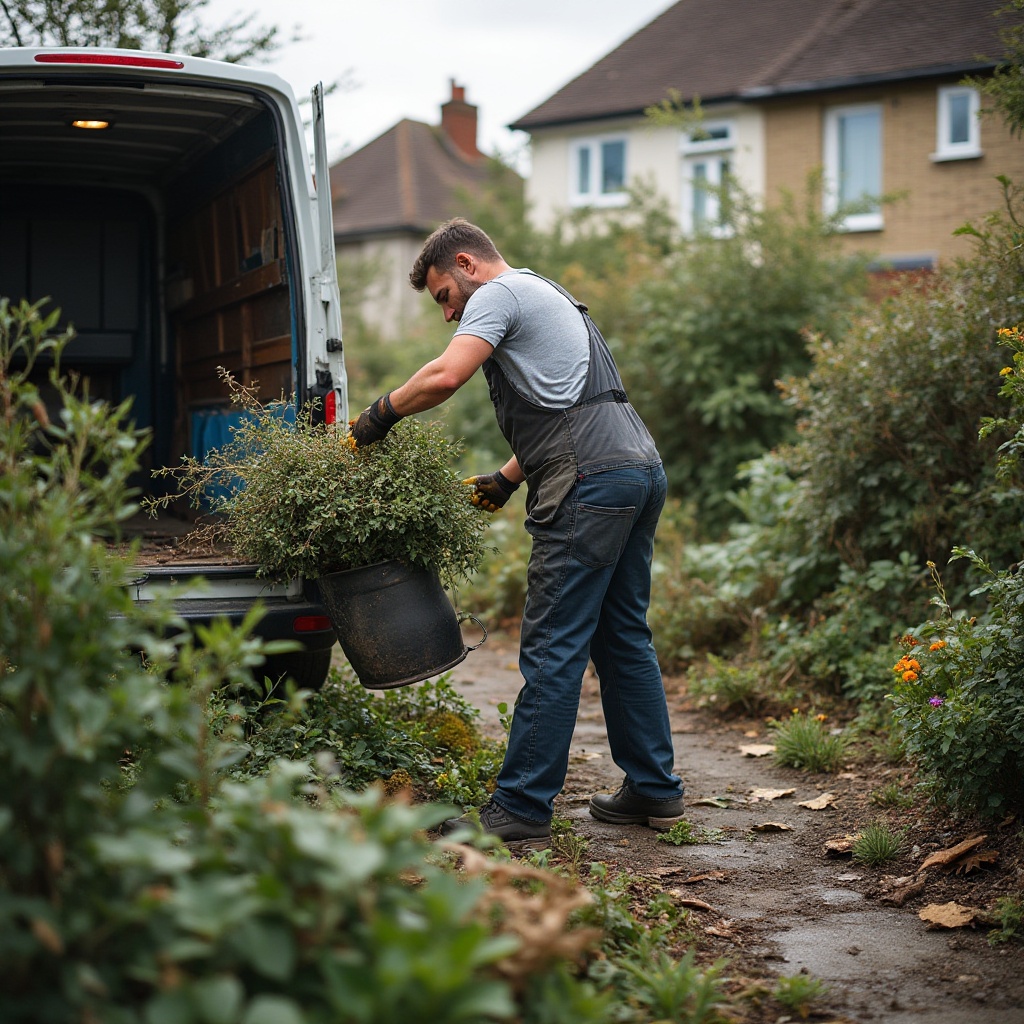
We finish by cleaning up the area, refining edges, and leaving the garden manageable. If needed, we’ll advise on simple upkeep between visits.
Honest reviews from homeowners and tenants in Putney who use our services to keep their gardens tidy and under control.
Lawn quality in Putney isn’t just about how often it’s cut. At Nature Garden Putney, we regularly see lawns that are mowed frequently but still struggle because of underlying conditions. Understanding these factors helps explain why some gardens need more than basic maintenance.
One of the main issues is shade. In many London properties, surrounding buildings, fences, and trees limit how much sunlight reaches the lawn. Grass in shaded areas grows thinner and slower, which makes it more vulnerable to wear. Over time, these sections can become patchy or even turn into moss if moisture sits for too long.
Soil condition is another key factor. In heavily used gardens, the ground becomes compacted, especially in high-traffic areas. This prevents water from draining properly and restricts airflow to the roots. Even regular watering won’t help if the soil is too dense to absorb it effectively.
Watering habits also play a role. Lawns that are watered lightly and frequently tend to develop shallow roots, making them weaker during dry periods. Deeper, less frequent watering encourages stronger root growth, but this is often difficult to manage without guidance.
Seasonal changes have a noticeable impact as well. During warmer months, grass can become stressed if cut too short or exposed to dry conditions. In autumn, fallen leaves and excess moisture can lead to fungal issues or moss build-up if not managed properly.
We adjust lawn care based on these conditions. For example, shaded lawns may require different seed types during reseeding, while compacted areas benefit more from repeated aeration over time rather than a one-off treatment.
It’s also important to recognise limitations. Lawns in very shaded or heavily used areas may never look perfectly uniform, even with regular care. In some cases, alternative solutions like reducing lawn size or introducing planting areas can be more practical.
Over time, consistent lawn care improves both appearance and durability. Instead of constantly repairing damage, the grass becomes more stable and easier to manage, which is the main goal for most Putney gardens.

Before starting lawn care with Nature Garden Putney, it’s helpful to understand what the lawn has been through over time. Many Putney gardens have a history of irregular maintenance, which affects how quickly improvements can be seen. A lawn that has been cut too short repeatedly or left to grow too long between visits will need a more gradual approach to recover.
It’s also important to consider how the space is used. Areas where people walk regularly — such as routes between the house and seating areas — will naturally wear down faster. In these spots, even well-maintained grass may need occasional reseeding or reinforcement to stay consistent.
Pets can also affect lawn condition. Repeated use of the same areas can lead to discolouration or thinning patches, which may require targeted repair rather than general treatment.
Watering access is another practical factor. In many London gardens, especially smaller ones, there isn’t always a built-in irrigation system. This means watering needs to be done manually, and consistency becomes important during dry periods.
The key is to treat lawn care as an ongoing process rather than a one-off fix. With the right approach and regular attention, the lawn becomes easier to manage and more resilient over time.