Garden Maintenance
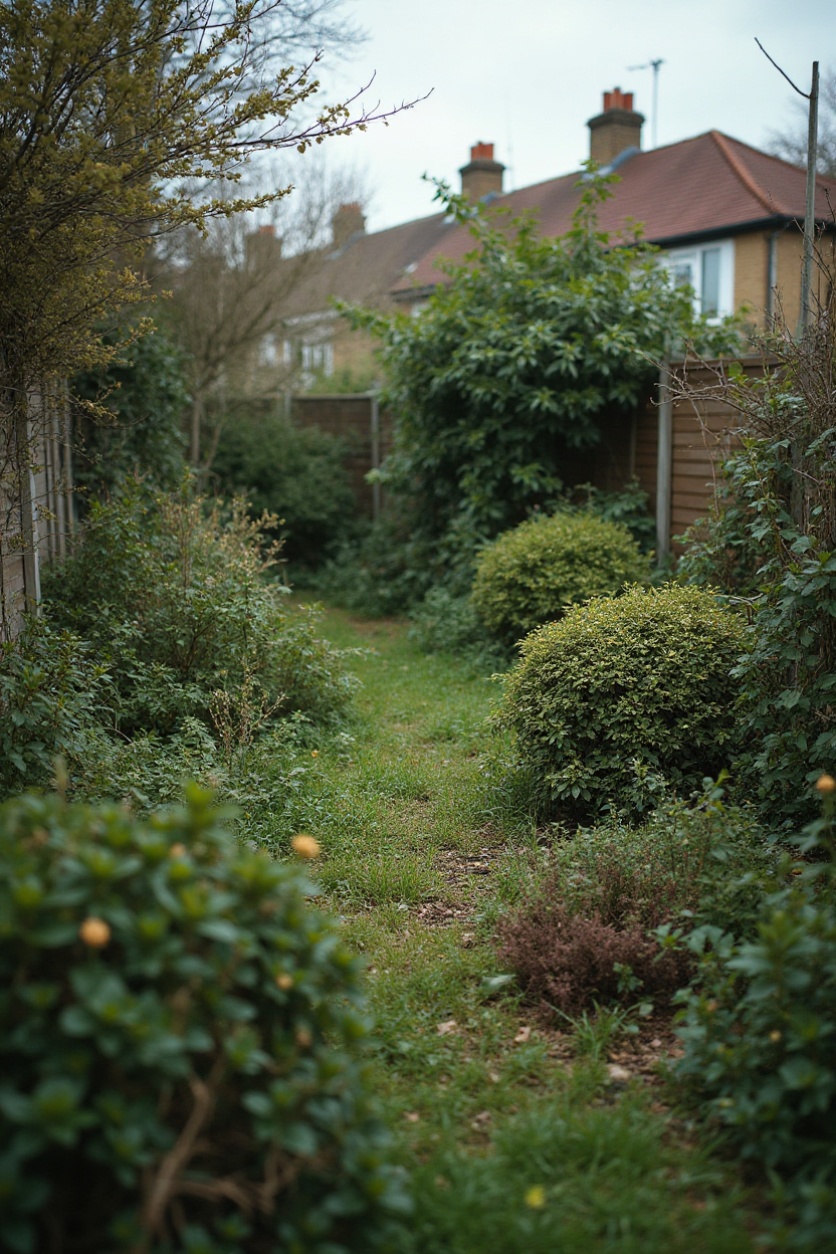
Weeding and pruning in Putney are essential for keeping gardens tidy, healthy, and under control, especially during periods of fast growth. This service is ideal for homeowners, landlords, and tenants who want to manage overgrowth without letting it become a larger problem. In many London gardens, weeds spread quickly and plants lose shape if not maintained regularly.
At Nature Garden Putney, weeding and pruning are used to bring balance back into the garden rather than just tidy it on the surface. In many Putney properties, outdoor spaces become uneven over time — some areas grow too fast, while others get crowded or blocked.
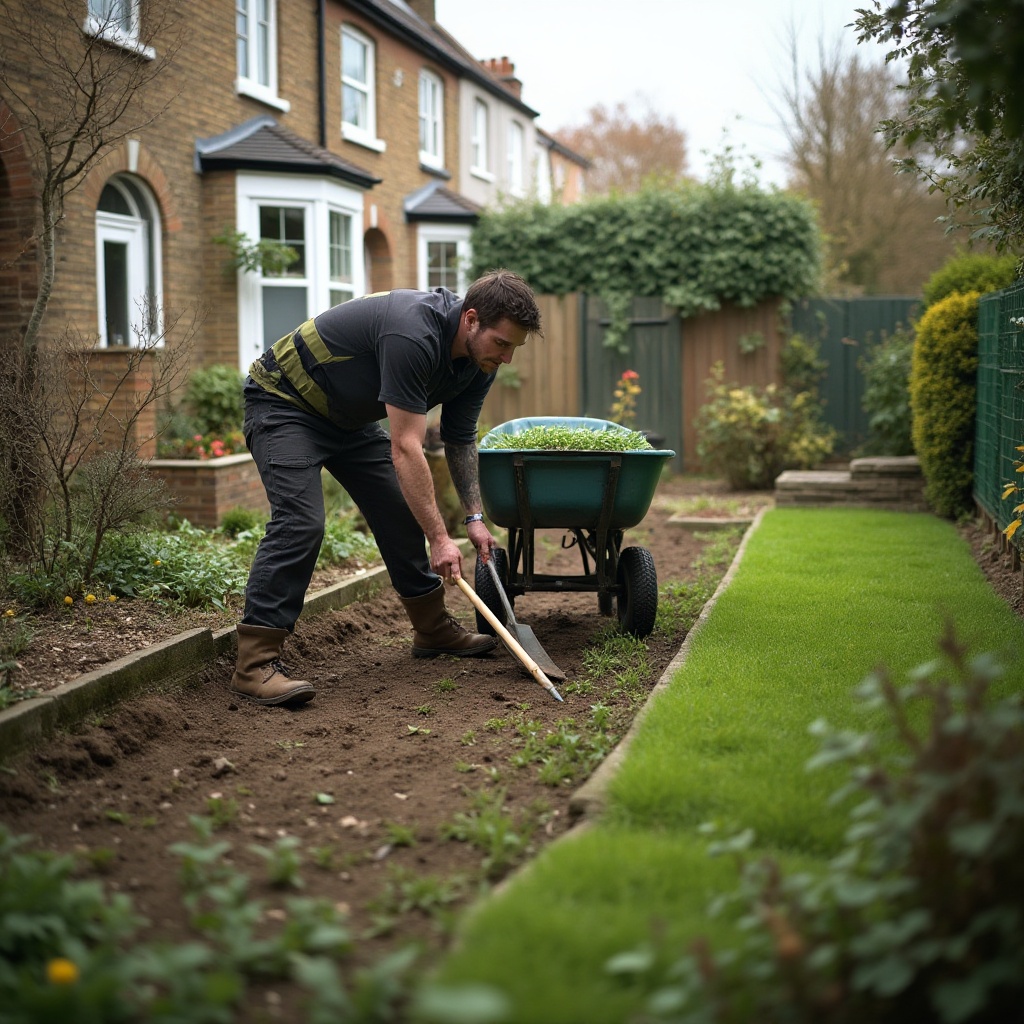
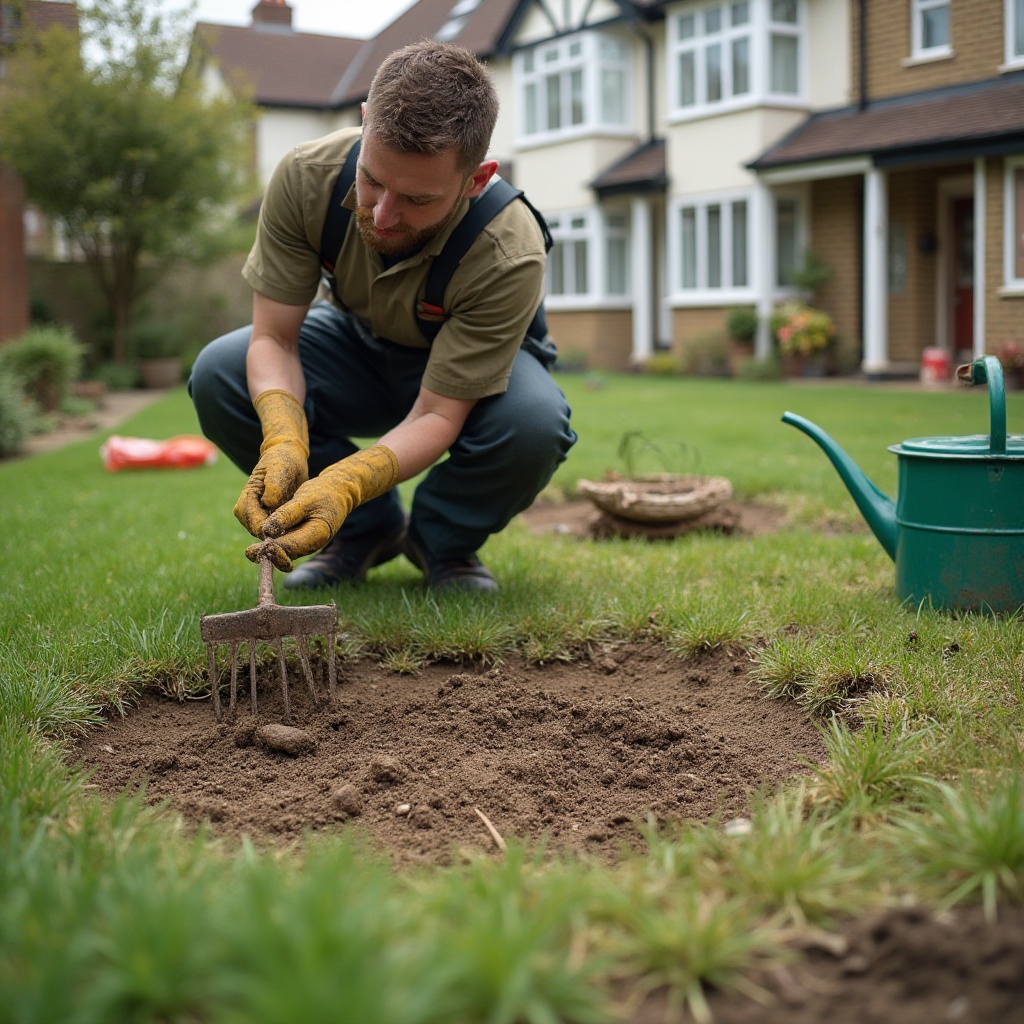
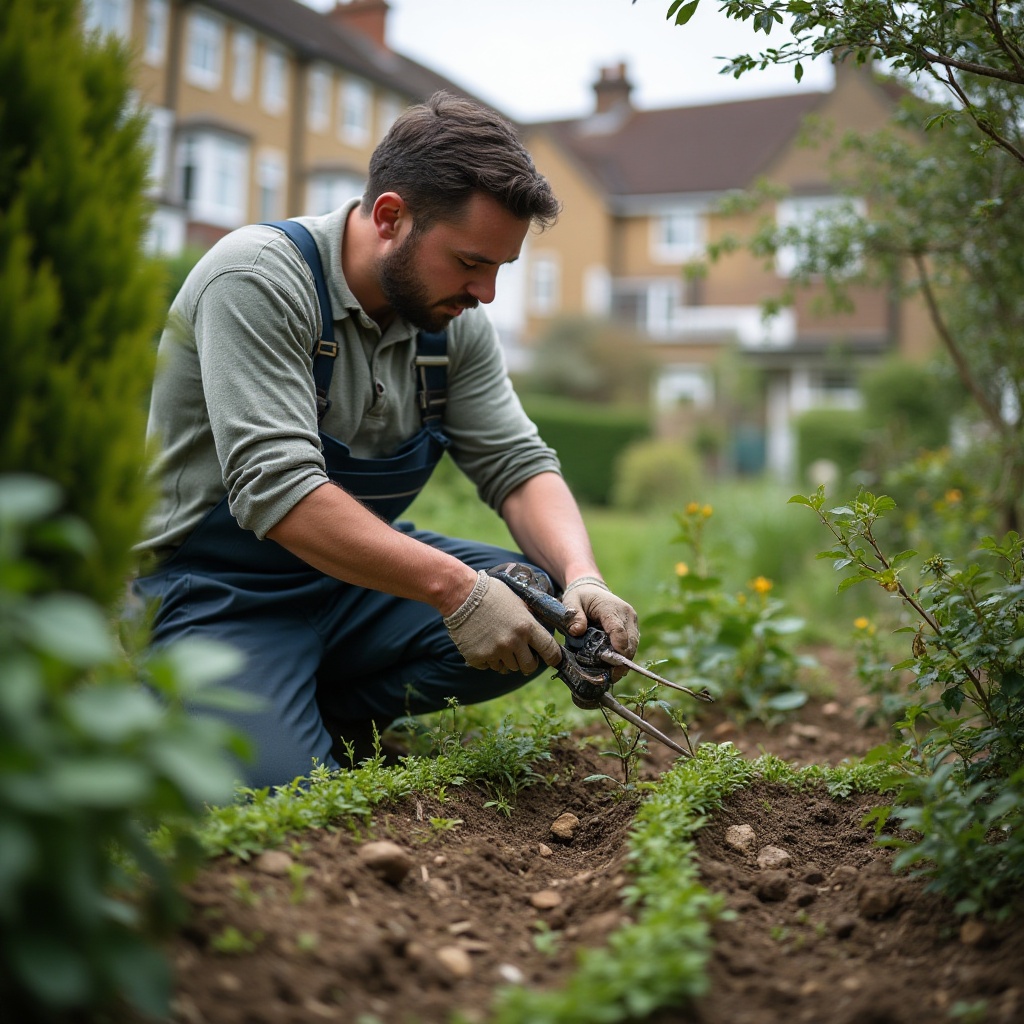
Weeds are usually the first issue to appear. They tend to spread in places where soil collects — along borders, around plants, and especially in gaps between paving. Once established, they compete for moisture and nutrients, which affects the health of nearby plants. Removing them properly helps the rest of the garden recover and grow more evenly.
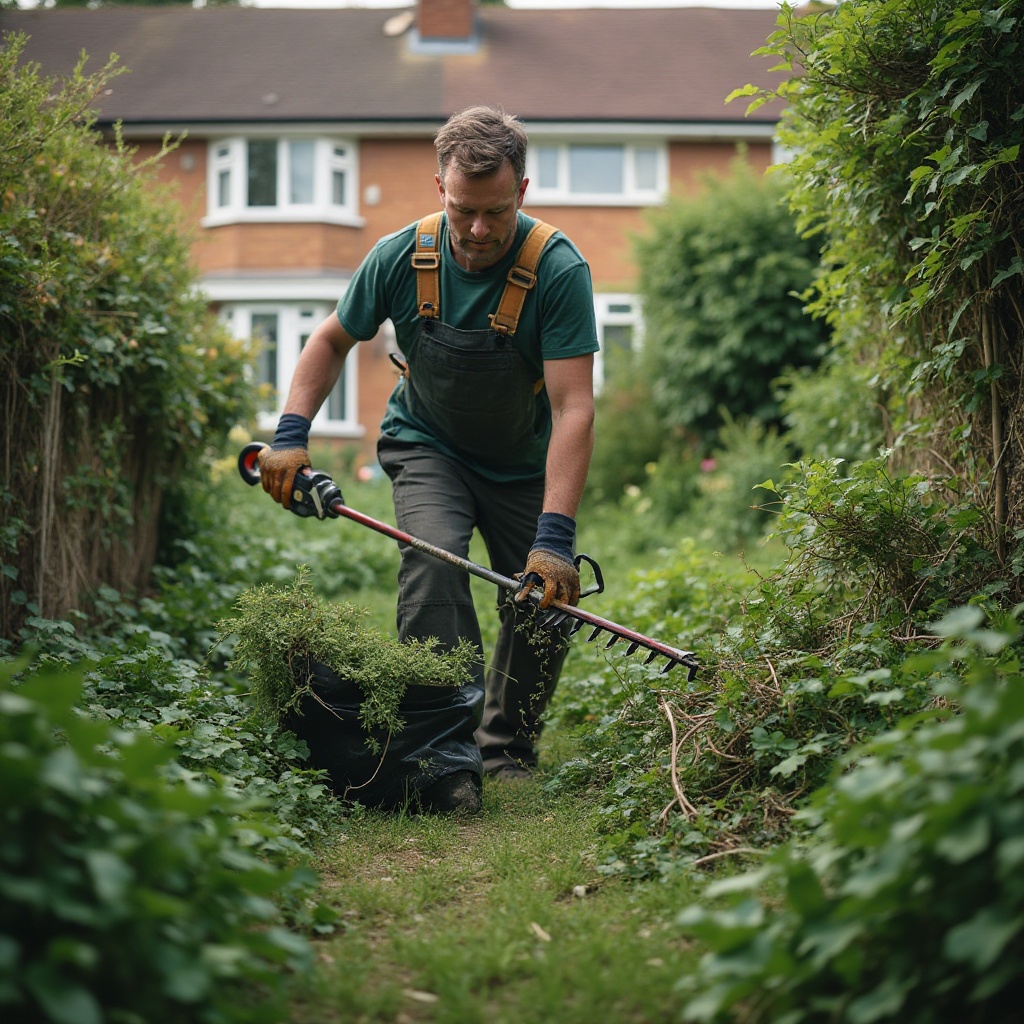
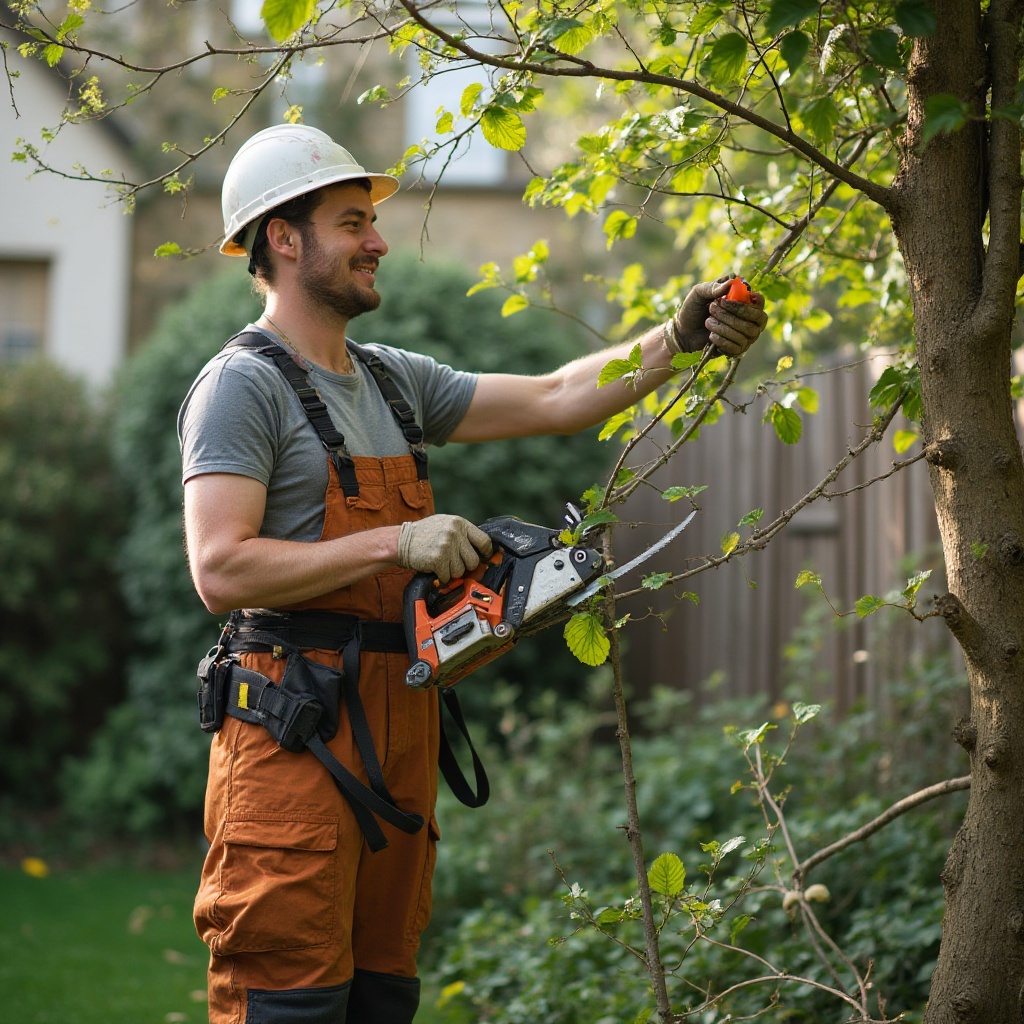
Pruning works differently but has a similar goal. Plants that aren’t trimmed regularly become dense and unstructured. This restricts airflow and light, which can lead to weaker growth inside the plant. By selectively cutting back sections, we improve air circulation and light penetration, which supports healthier development.
In many Putney gardens, space is limited, so overgrown shrubs can quickly take over walkways or seating areas. Pruning helps redefine these spaces without removing the plants entirely. It also prevents branches from rubbing against walls, fences, or windows — a common issue in London properties.
We also take into account how different plants respond to cutting. Some benefit from regular trimming, while others need a lighter approach to avoid stressing them. This is why pruning is done selectively rather than cutting everything back evenly.
Another important factor is timing. During periods of rapid growth, both weeds and plants can return quickly after a single visit. Regular upkeep helps keep everything under control instead of allowing it to build up again.
It’s also important to understand the limitations. Weeding reduces growth but doesn’t stop it permanently, especially in areas where soil and moisture are constantly present. Similarly, pruning improves structure but doesn’t slow down natural growth in the long term.
Over time, consistent weeding and pruning make the garden easier to manage. Instead of reacting to overgrowth, the space stays organised, plants remain healthier, and the overall layout becomes more usable without constant heavy work.

🌿 1. Garden Check & Planning
We start by assessing the garden, looking at lawn condition, overgrowth, and any problem areas. This helps us decide what actually needs doing, not just what looks obvious.
🌿 2. Practical Maintenance Work
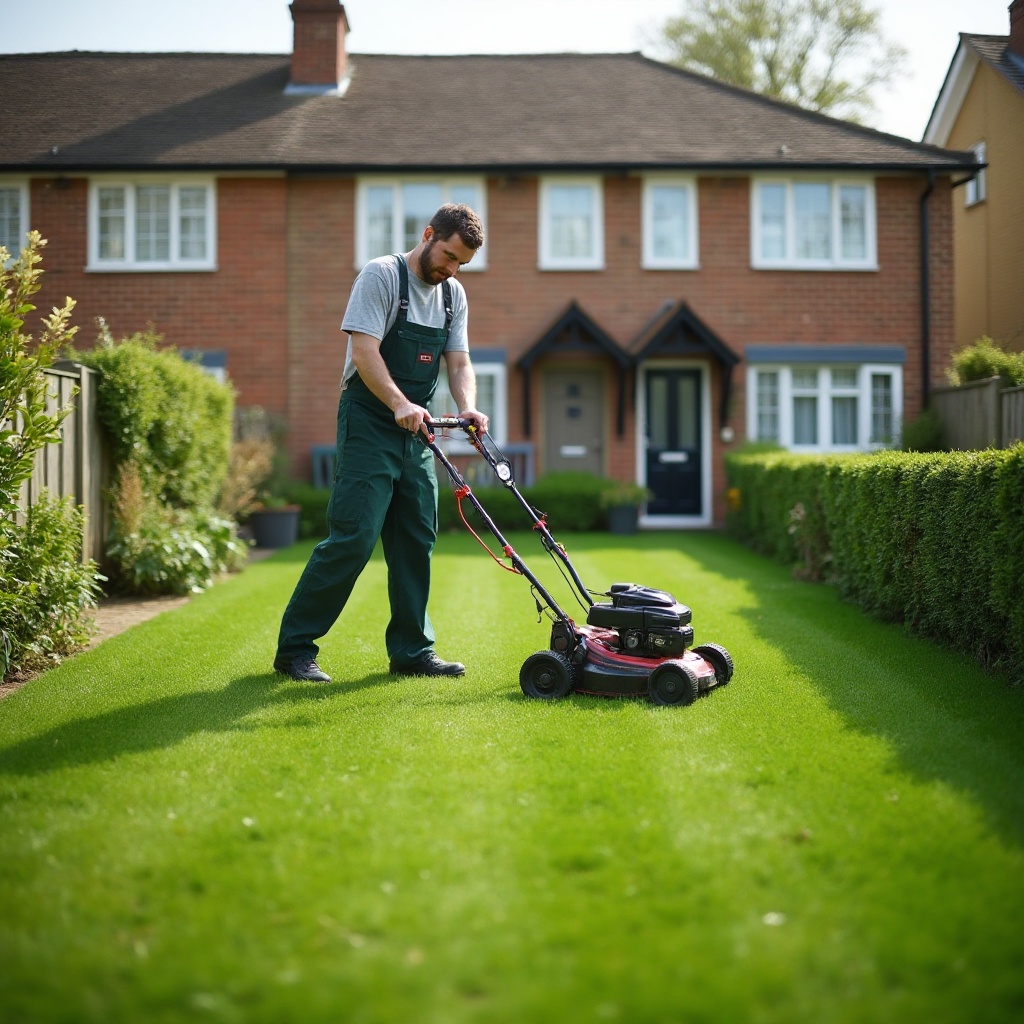
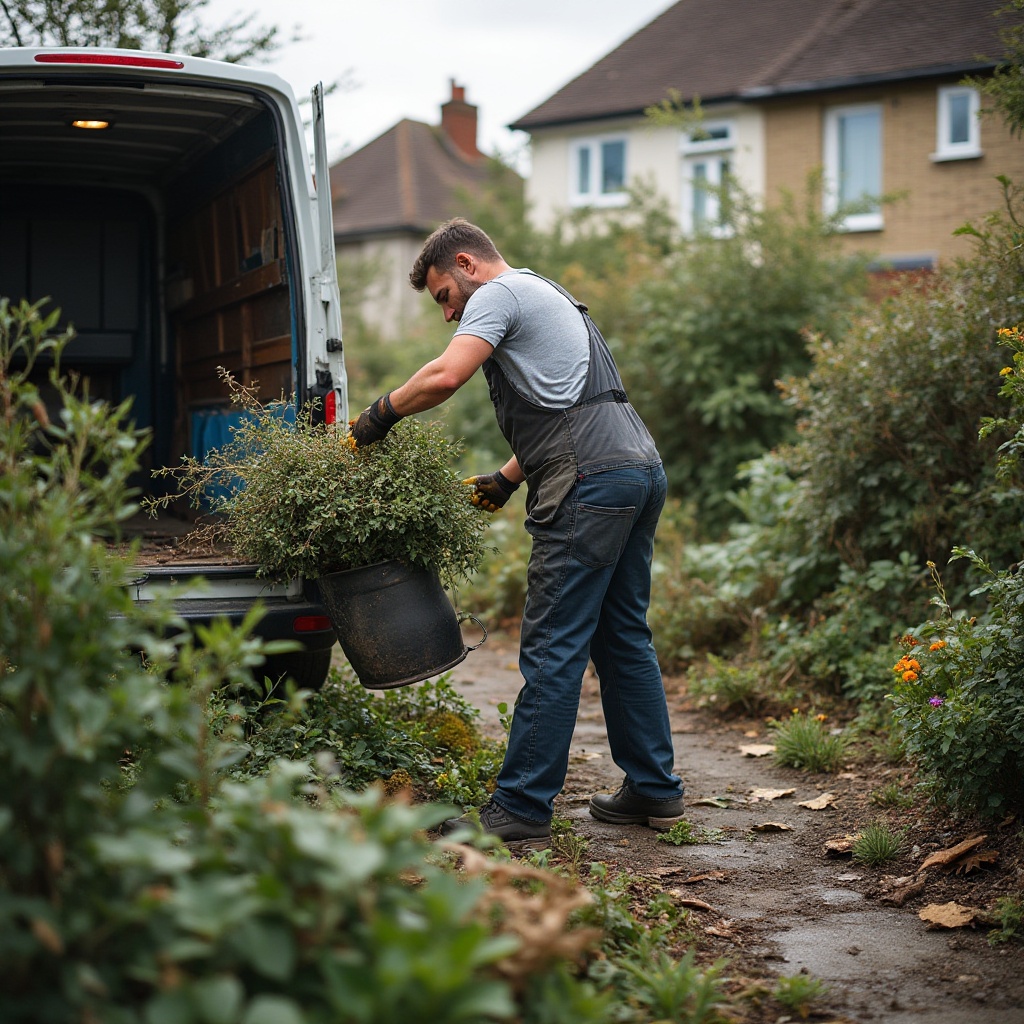
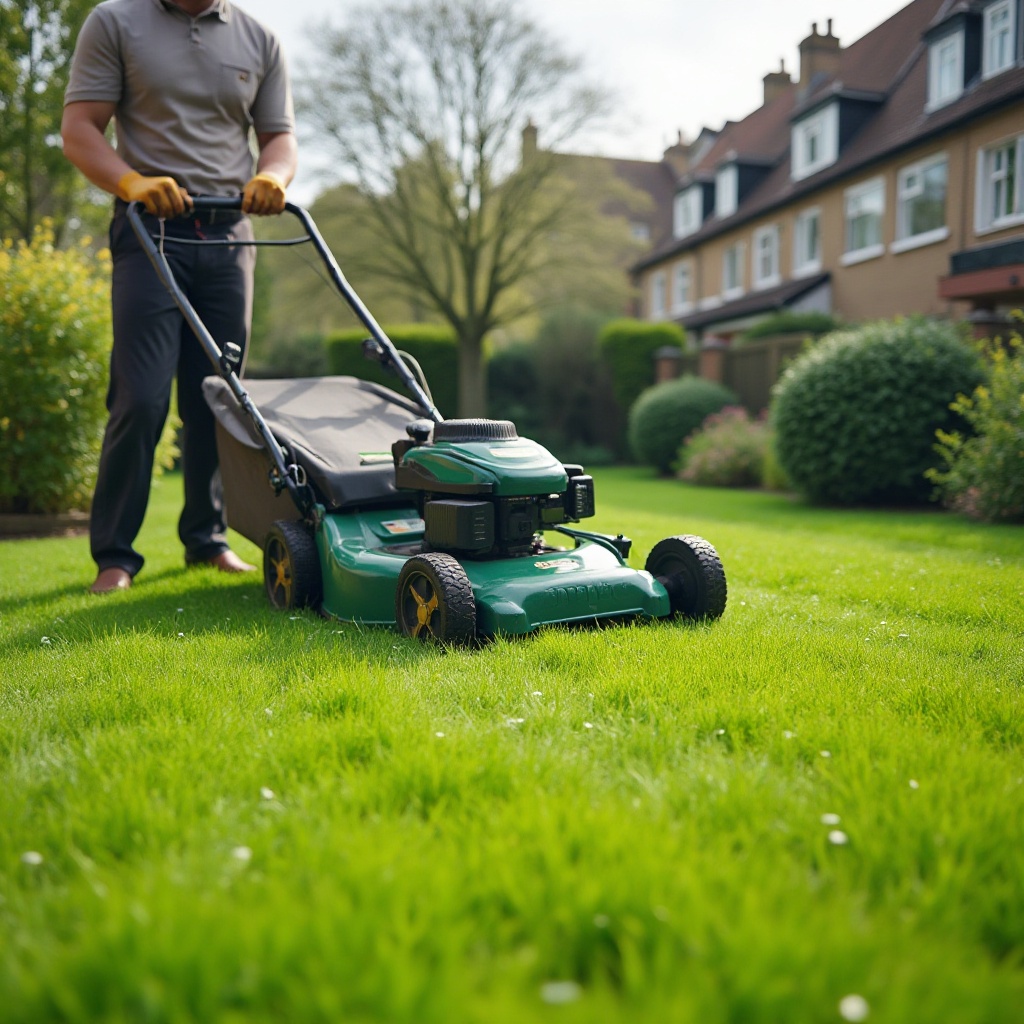
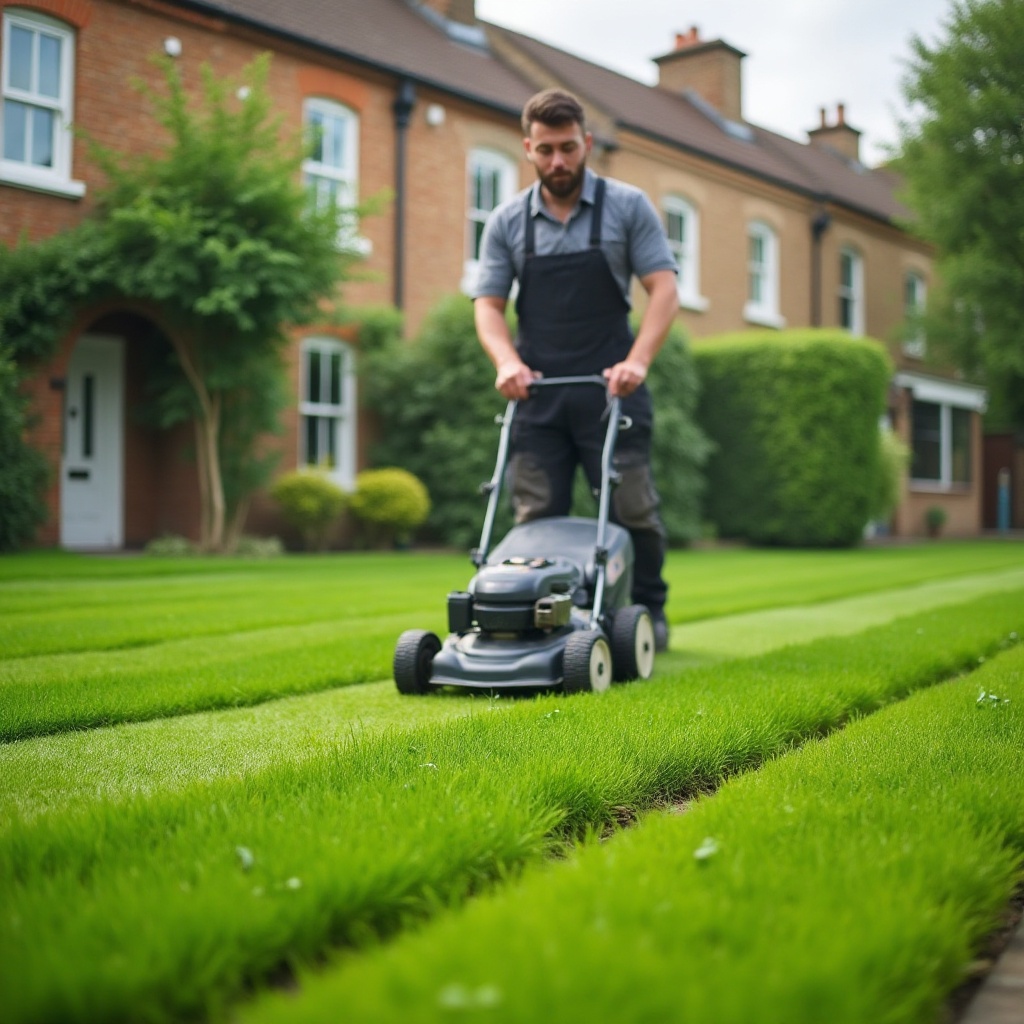
The work is carried out step by step — mowing, trimming, pruning, and clearing — using the right tools for the space and access available.
🌿 3. Final Tidy & Ongoing Advice
We finish by cleaning up the area, refining edges, and leaving the garden manageable. If needed, we’ll advise on simple upkeep between visits.
Honest reviews from homeowners and tenants in Putney who use our services to keep their gardens tidy and under control.
In Putney gardens, weeding and pruning are most effective when treated as part of a routine rather than a one-off job. At Nature Garden Putney, we often work on gardens where growth has built up over time, making simple tasks more time-consuming than they need to be.
One of the key things we focus on is targeting problem areas first. Not all parts of the garden require the same level of attention. Edges, borders, and areas close to structures tend to develop weeds faster because soil collects there and moisture is retained. Clearing these sections early helps prevent weeds from spreading further into the garden.
For planting areas, the aim is to keep a balanced shape rather than cutting everything back heavily. Over-pruning can lead to uneven regrowth, where plants push out long, weak shoots to recover. Instead, we remove selected sections to maintain natural structure and strength, which results in more controlled growth over time.
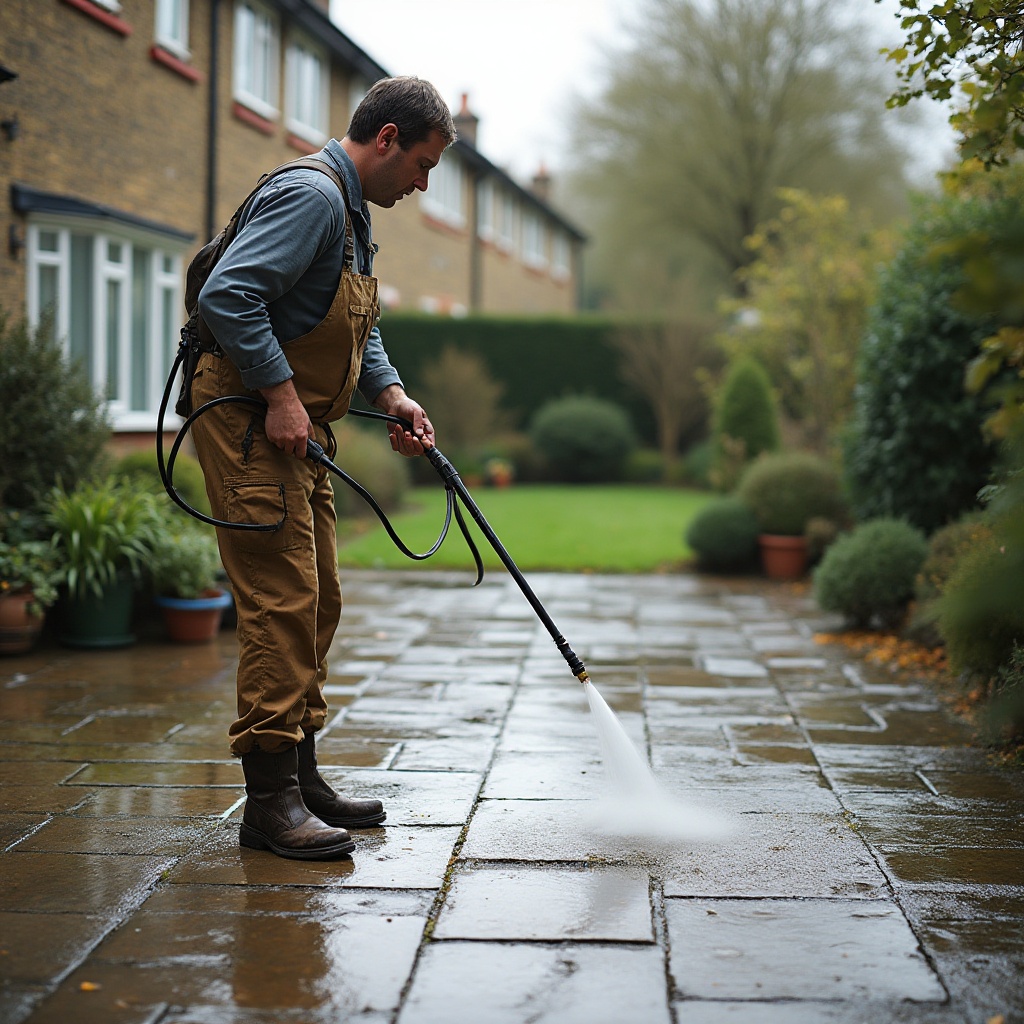
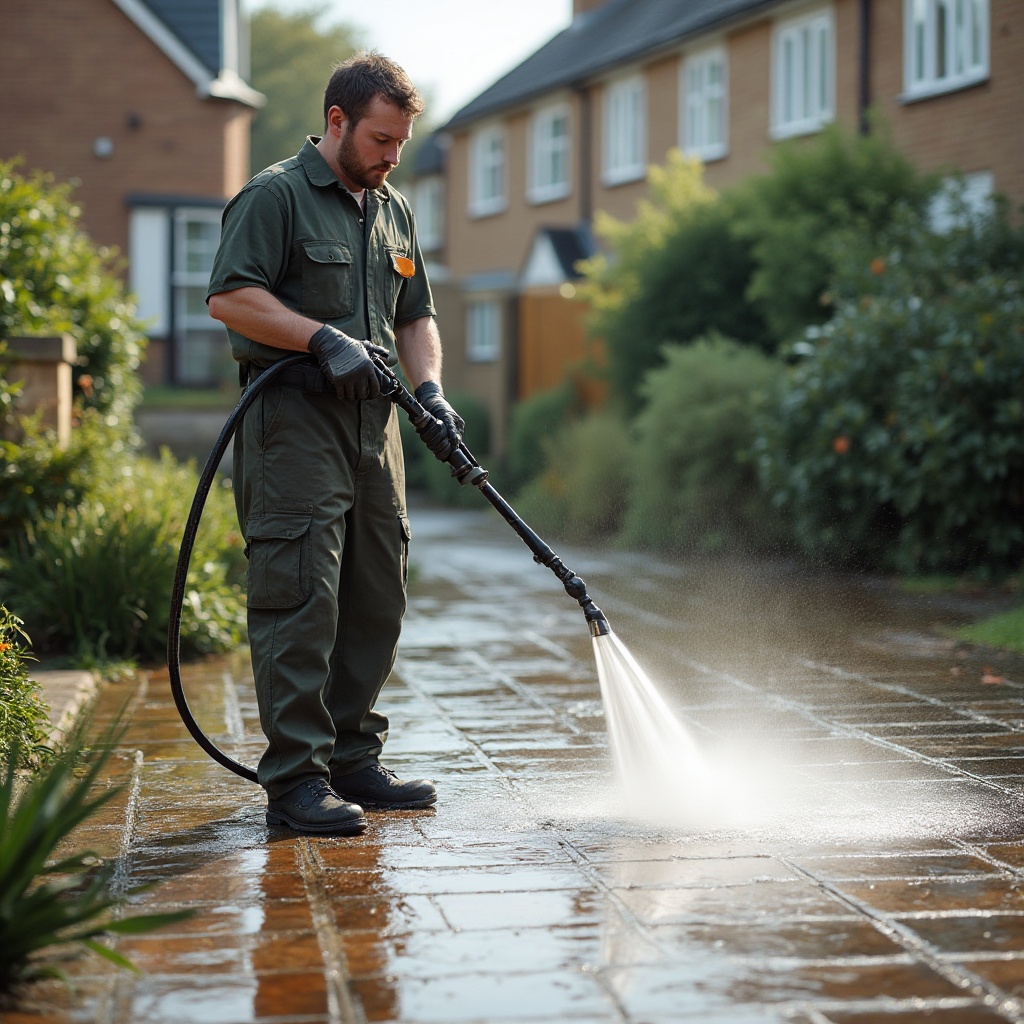
Another factor is how different surfaces behave. Patios and pathways in Putney gardens often develop weeds in joints where dirt settles. Simply removing the visible growth isn’t enough — the underlying material needs to be cleared to slow down regrowth. This makes a noticeable difference after cleaning.
Seasonal changes also influence how often this work is needed. During spring and summer, both weeds and plants grow quickly and require more frequent attention. In autumn, the focus shifts more towards clearing and shaping, while winter is typically about keeping things from becoming overgrown again.
Access and layout continue to play a role. In many London properties, tools and waste need to be moved through the house or narrow pathways, so the work is carried out in a controlled way to avoid disruption.
It’s also worth noting that results improve over time with consistency. The first visit often involves more clearing and reshaping, while follow-up visits are quicker and focused on maintaining the condition.
Weeding and pruning don’t stop growth, but they manage it in a way that keeps the garden usable. Instead of dealing with dense overgrowth, the space stays cleaner, more organised, and easier to maintain throughout the year.
Before arranging weeding and pruning with Nature Garden Putney, it’s helpful to think about which areas of the garden need the most attention. In many Putney properties, certain spots — such as borders, pathways, or around seating areas — tend to become overgrown faster than others.
If there are specific plants you want to keep in a certain shape or size, it’s worth mentioning this in advance. Pruning can be adjusted depending on whether you prefer a more natural look or a tighter, more controlled finish.
Access can also make a difference. Clearing small obstacles like pots, furniture, or garden items allows the work to be carried out more evenly and avoids missing hidden areas.
Regular visits help maintain results. The first visit often involves more detailed clearing, while follow-up visits are quicker and focused on keeping everything consistent.
The goal is to keep growth manageable without the garden becoming difficult to maintain again.