Garden Maintenance
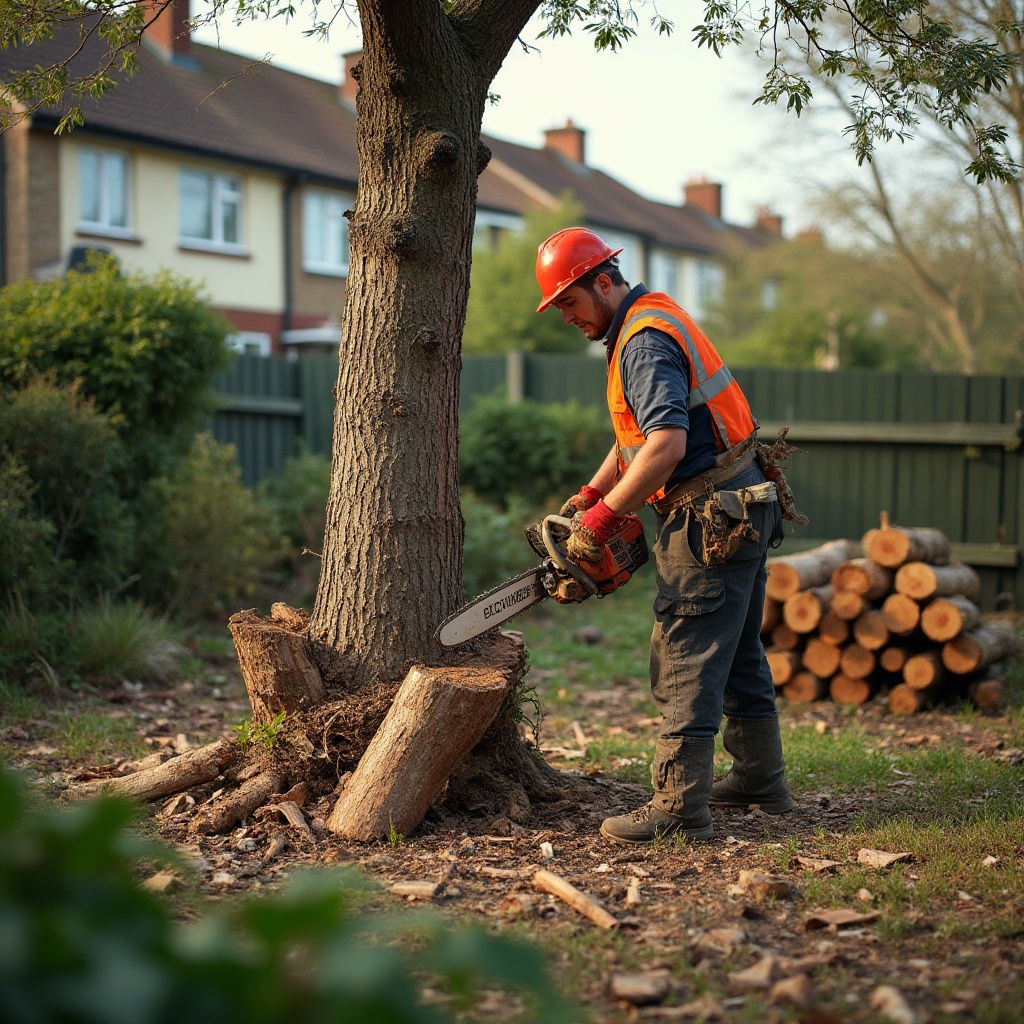
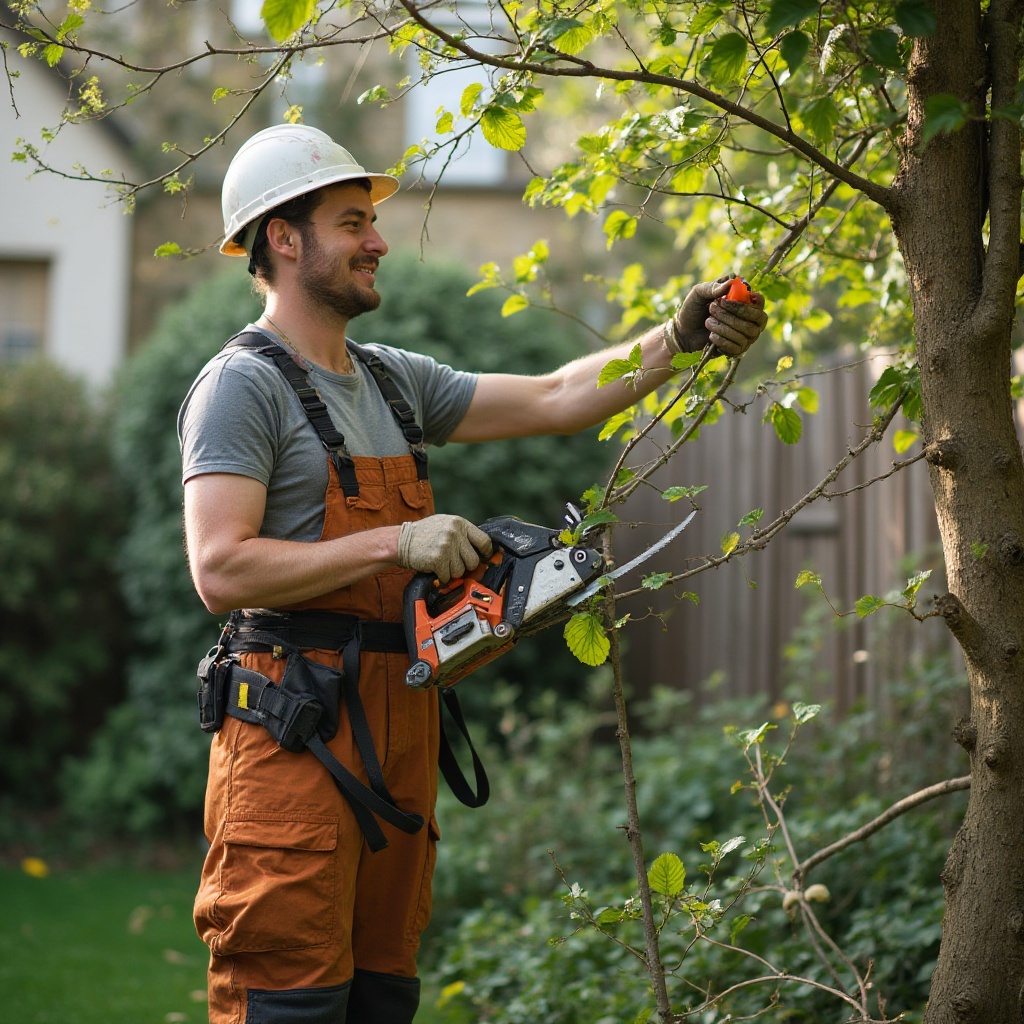
Tree pruning in Putney is essential when trees become overgrown, unbalanced, or start affecting surrounding areas like buildings and gardens. This service is ideal for homeowners and landlords who want to maintain tree health while keeping outdoor spaces safe and manageable. In many London gardens, limited space means trees need regular control to prevent excessive growth.
At Nature Garden Putney, tree pruning is not just about cutting branches — it’s about controlling how a tree develops within a limited space. In many Putney gardens, trees grow faster than expected and begin to dominate the area, especially where they compete for light with surrounding buildings.
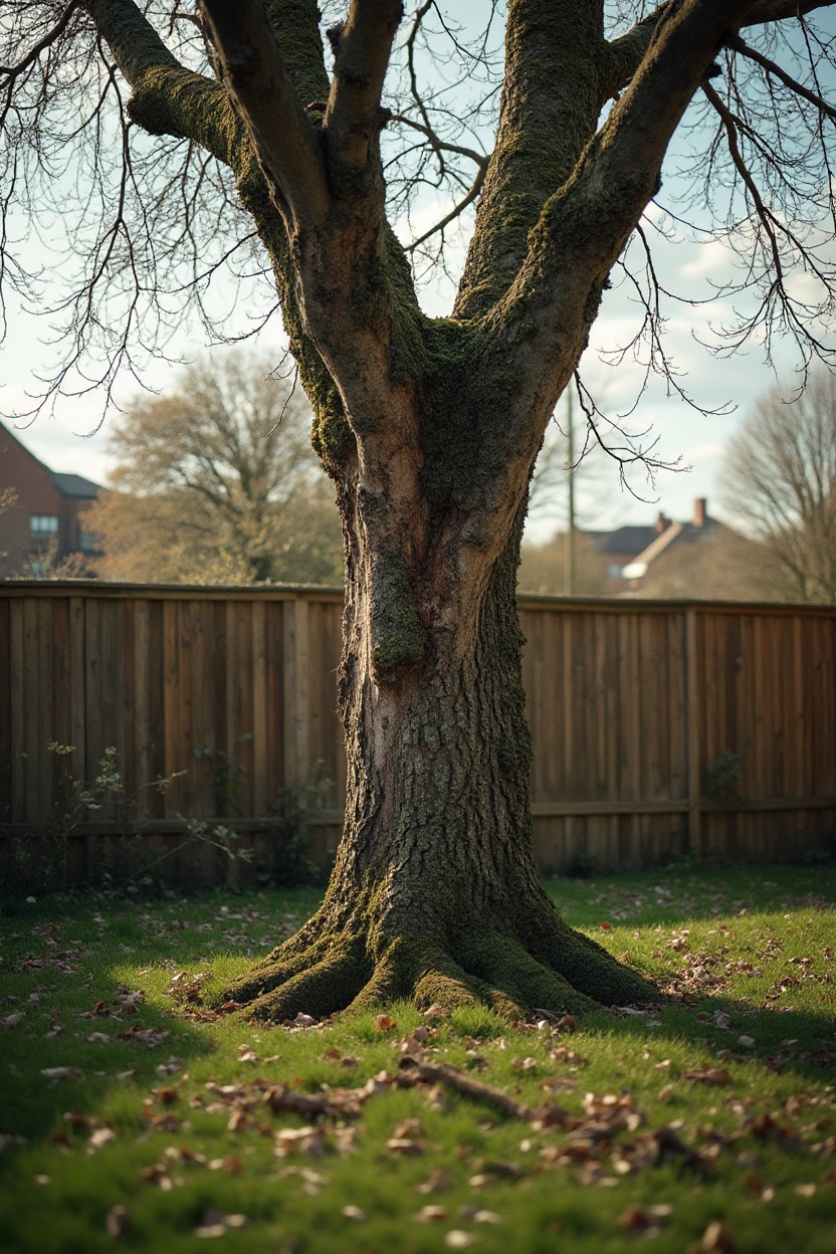
One of the first things we address is structure. Trees that haven’t been pruned for a while often develop crossing branches or dense clusters. These areas restrict airflow and can lead to weaker growth over time. By selectively thinning sections, the tree becomes more stable and less prone to damage during wind or heavy rain.
Another common issue is weight imbalance. In London gardens, trees tend to grow towards the light, which can make one side heavier than the other. This not only affects appearance but can also put stress on the trunk. Careful pruning redistributes that weight, helping the tree stay more balanced.
We also look at how the tree interacts with the space around it. In Putney properties, branches often extend over patios, neighbouring gardens, or close to windows. Cutting these back improves clearance and usability without removing the tree entirely.
Timing plays a role as well. Pruning at the right stage of growth allows the tree to recover more naturally. Removing too much at once can shock the tree, while gradual shaping over time produces better results and healthier regrowth.
It’s also worth noting that pruning doesn’t reduce maintenance permanently. Trees will continue to grow, and new shoots often appear where cuts have been made. This is normal and part of the process. Regular follow-up pruning keeps growth controlled rather than letting it build up again.
There are also limitations. Very mature trees or those with structural issues may require a different approach or more extensive work. In some cases, pruning improves the condition significantly, but it won’t completely change the size or behaviour of the tree.
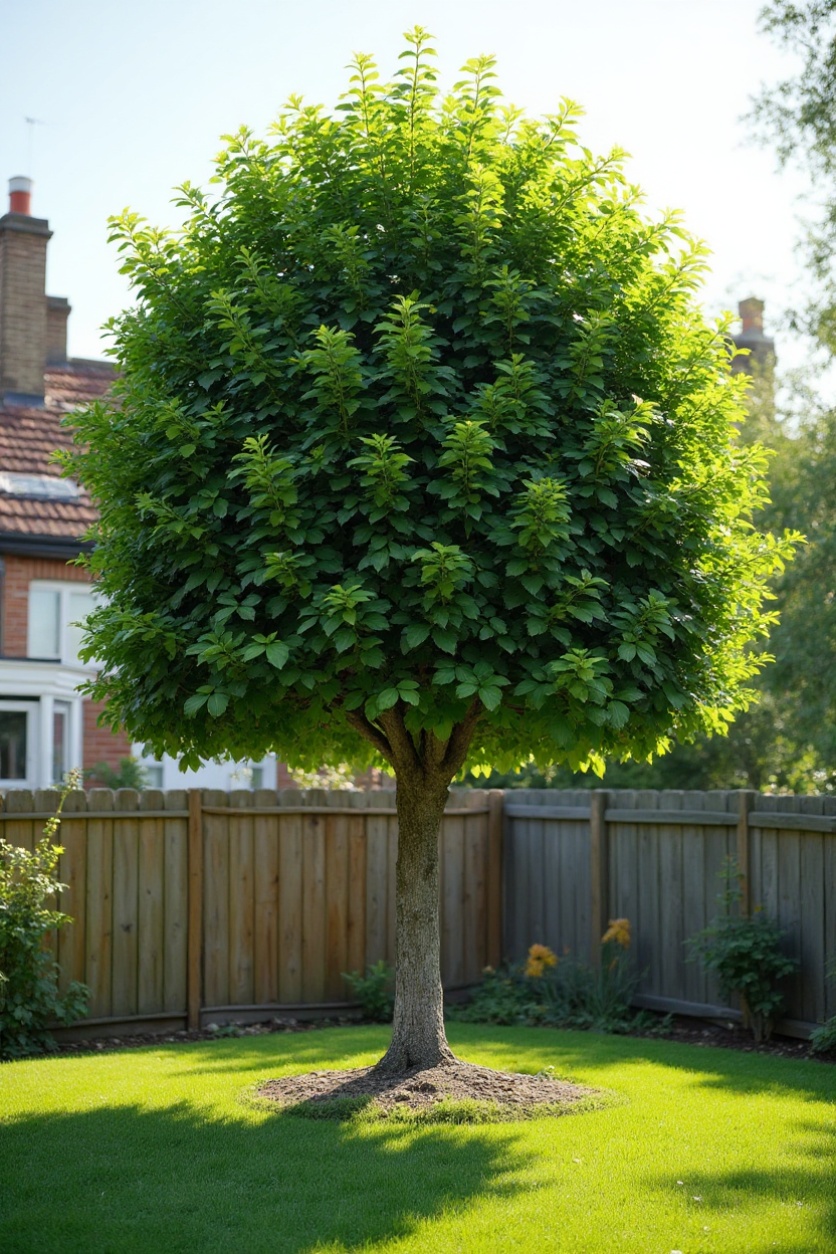
Over time, consistent pruning makes a noticeable difference. The tree fits better within the garden, allows more light through, and becomes easier to manage without needing major intervention.
🌿 1. Garden Check & Planning
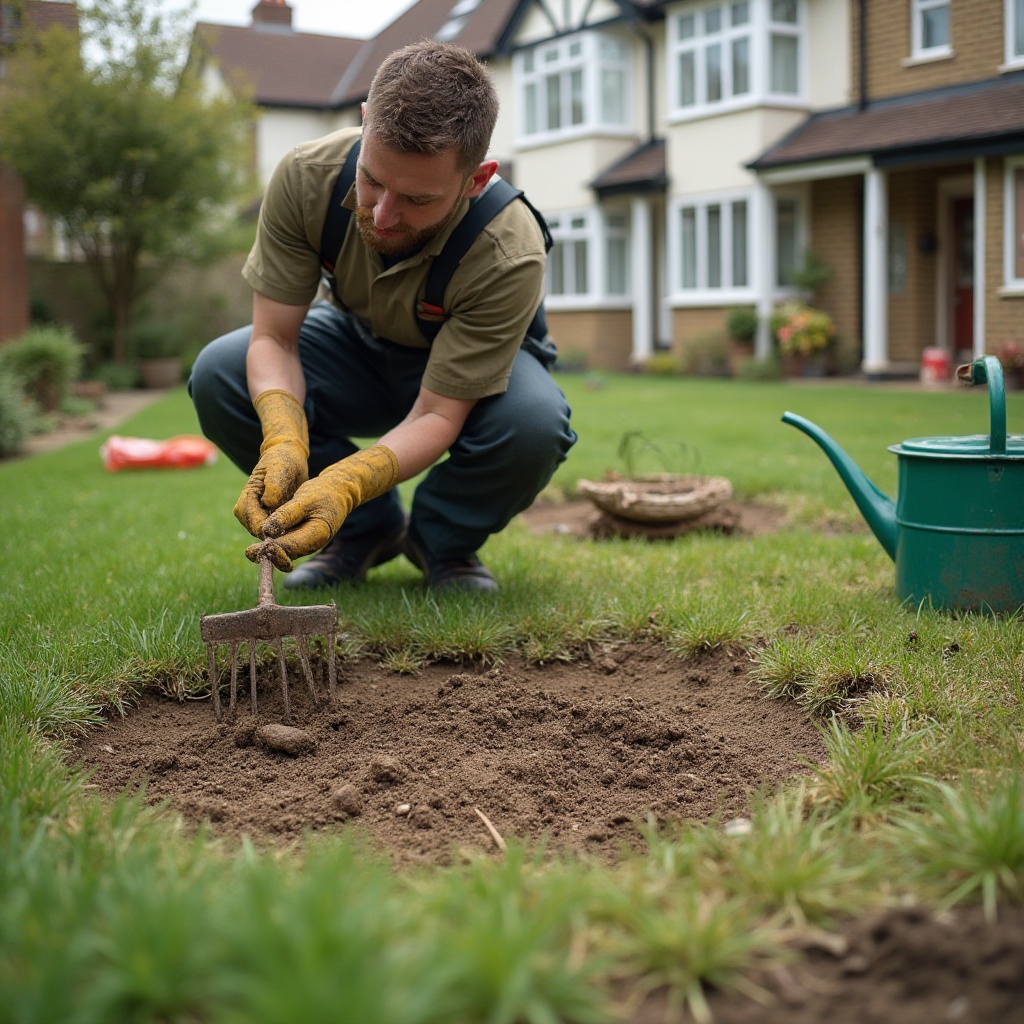
We start by assessing the garden, looking at lawn condition, overgrowth, and any problem areas. This helps us decide what actually needs doing, not just what looks obvious.
🌿 2. Practical Maintenance Work
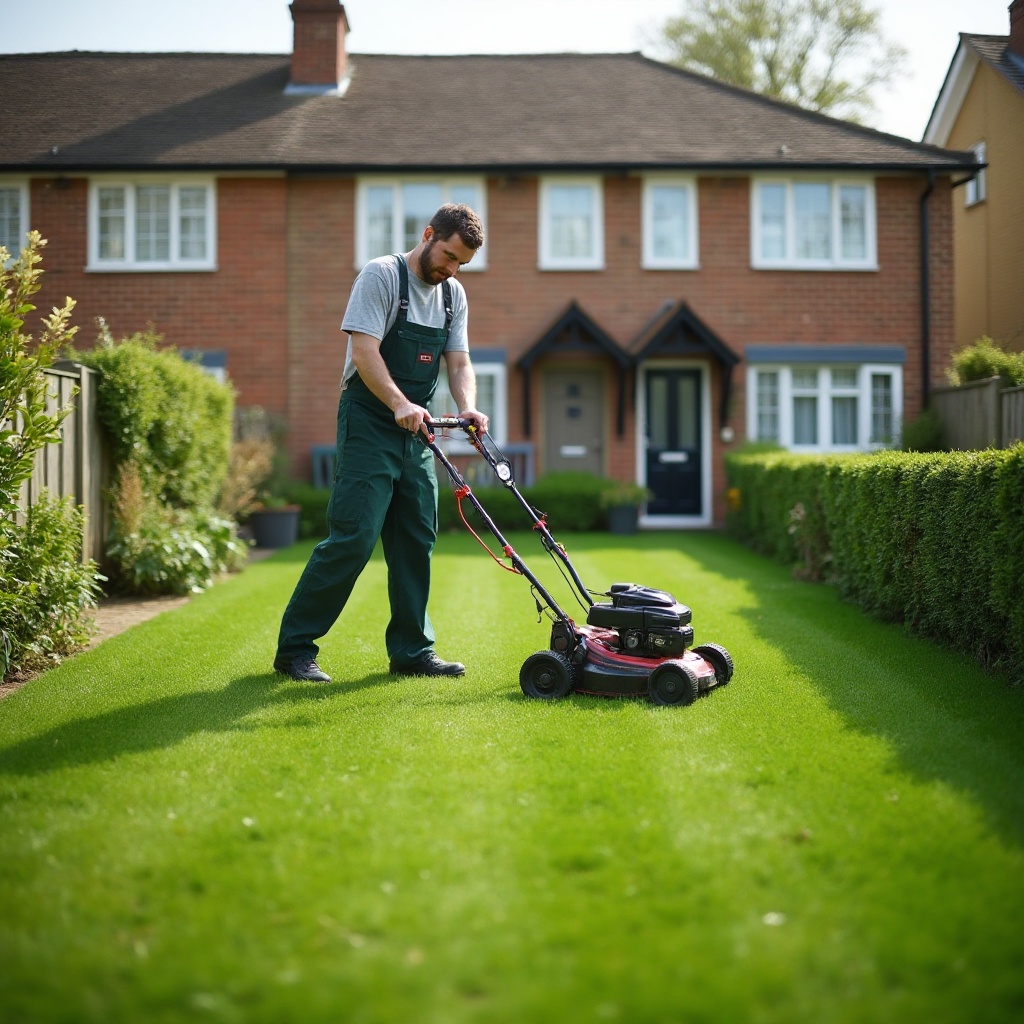
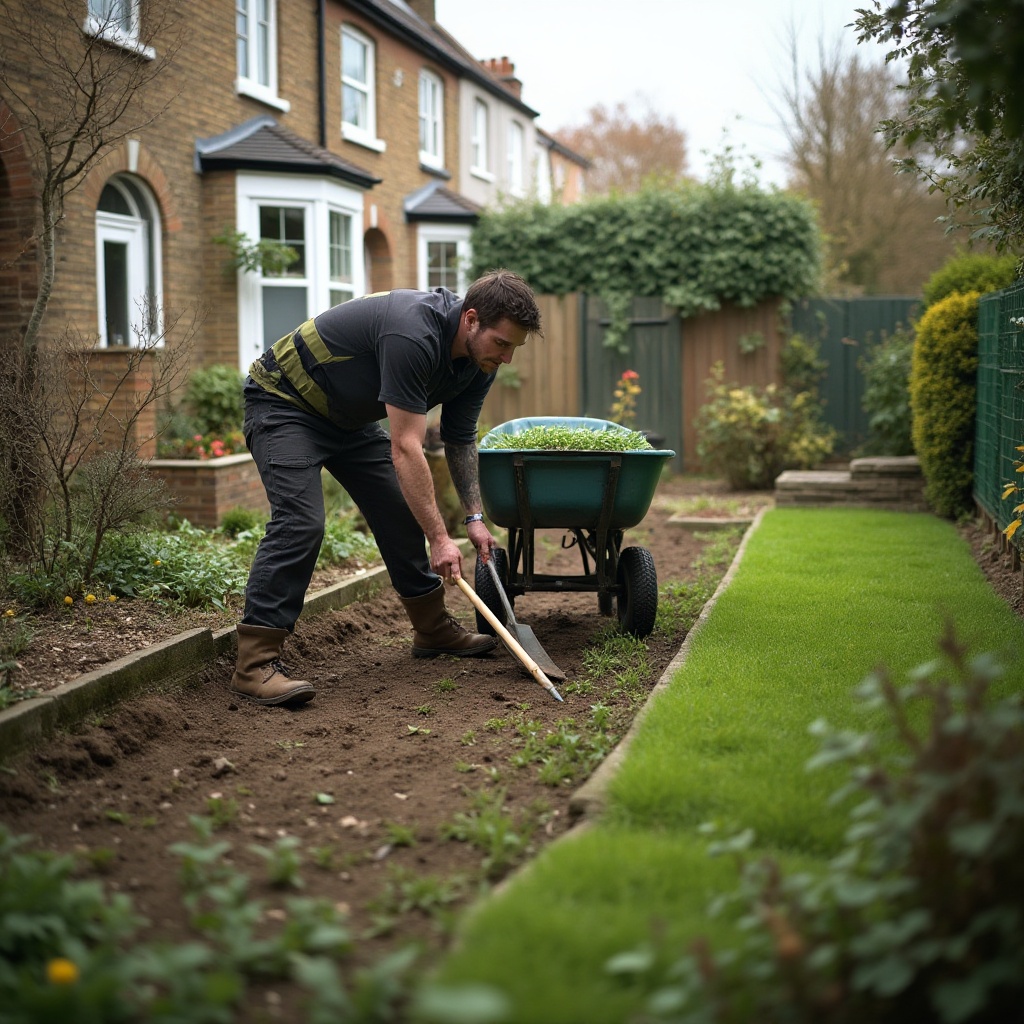
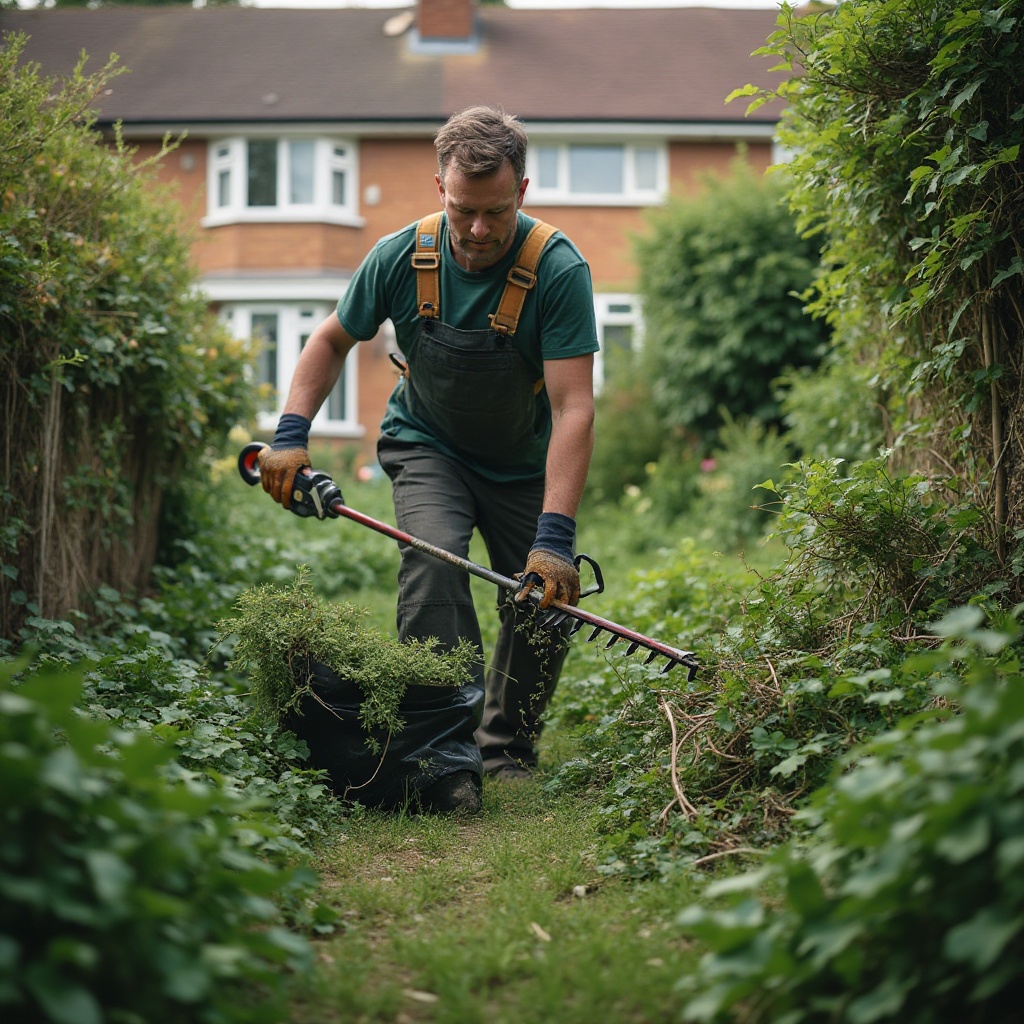
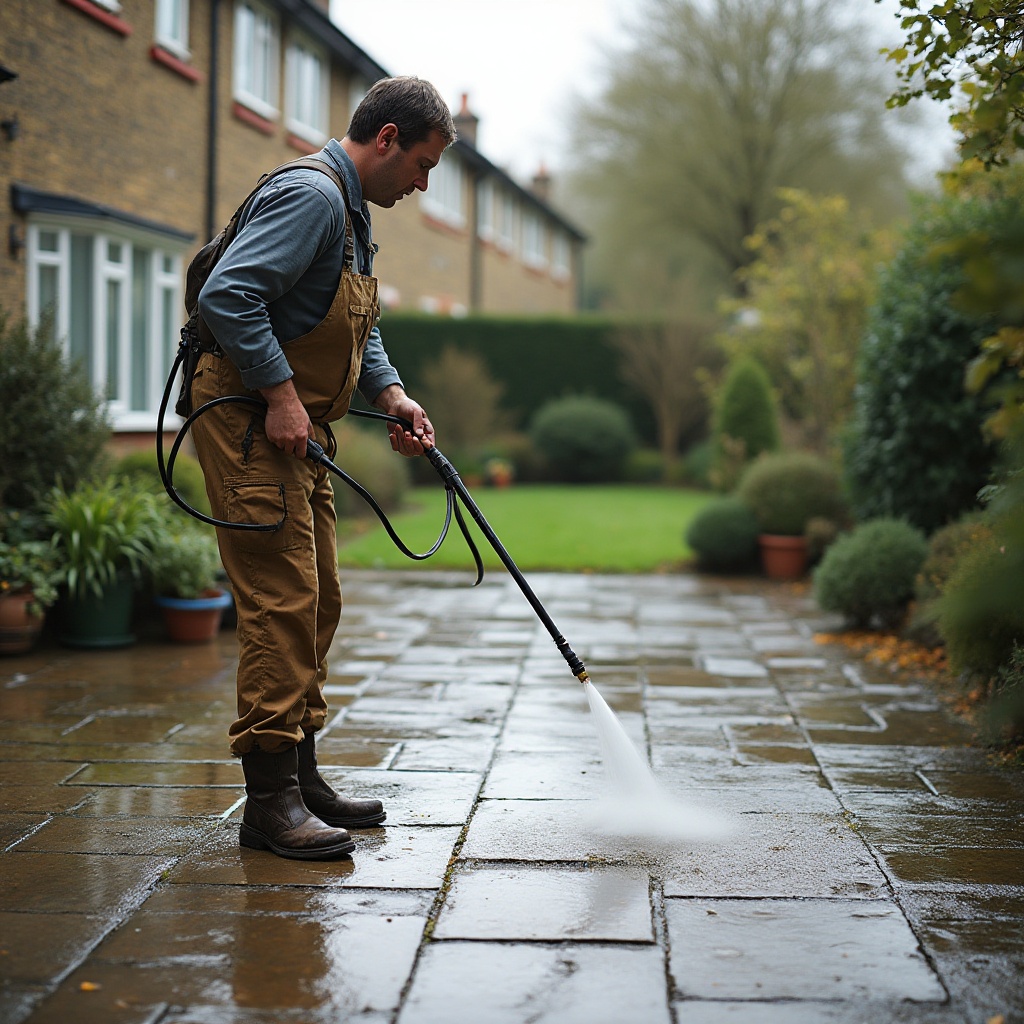
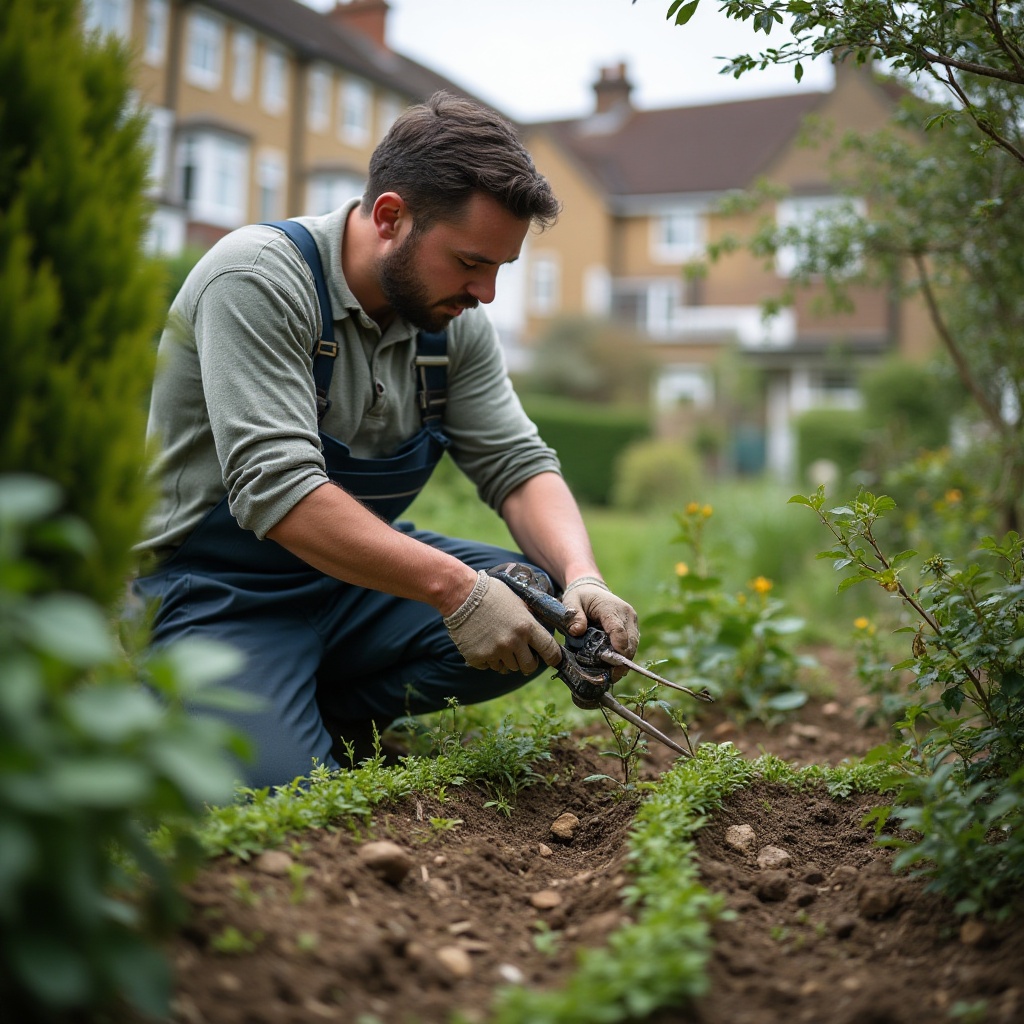
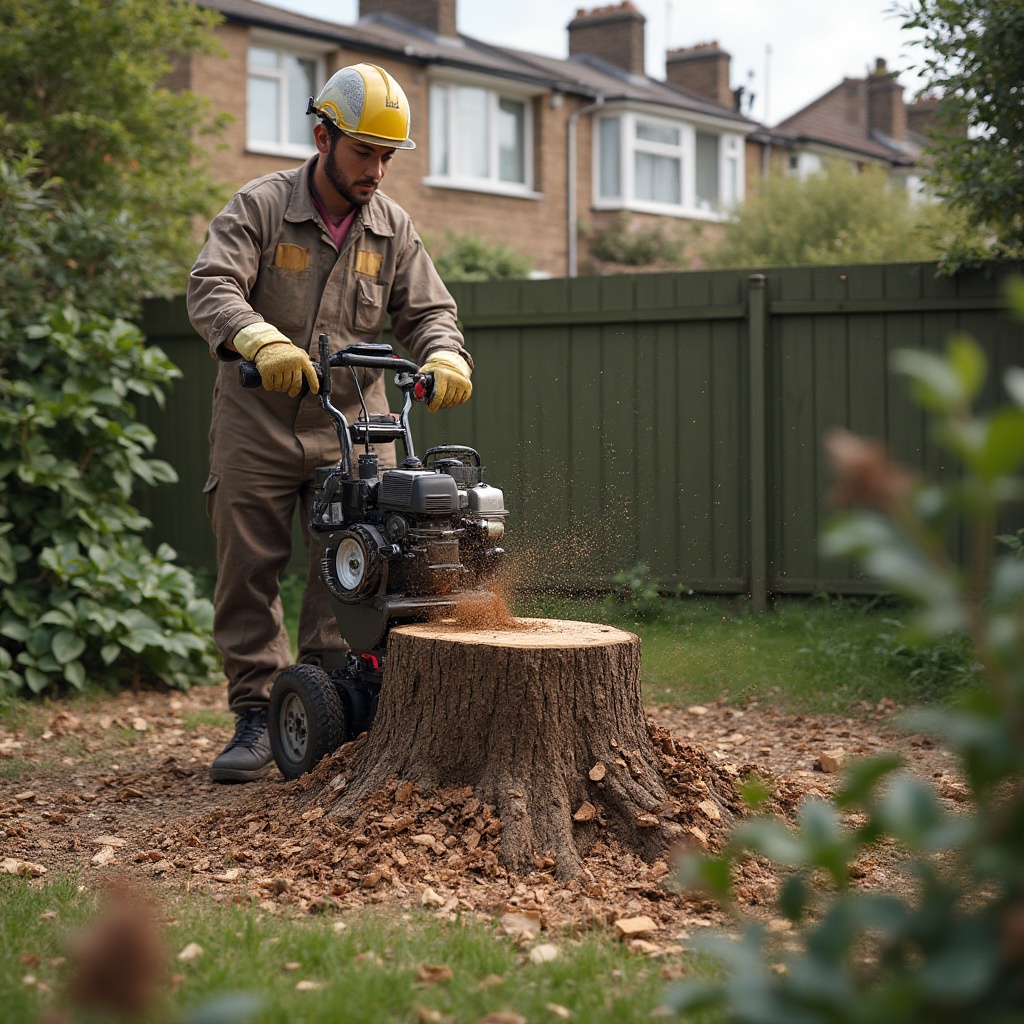
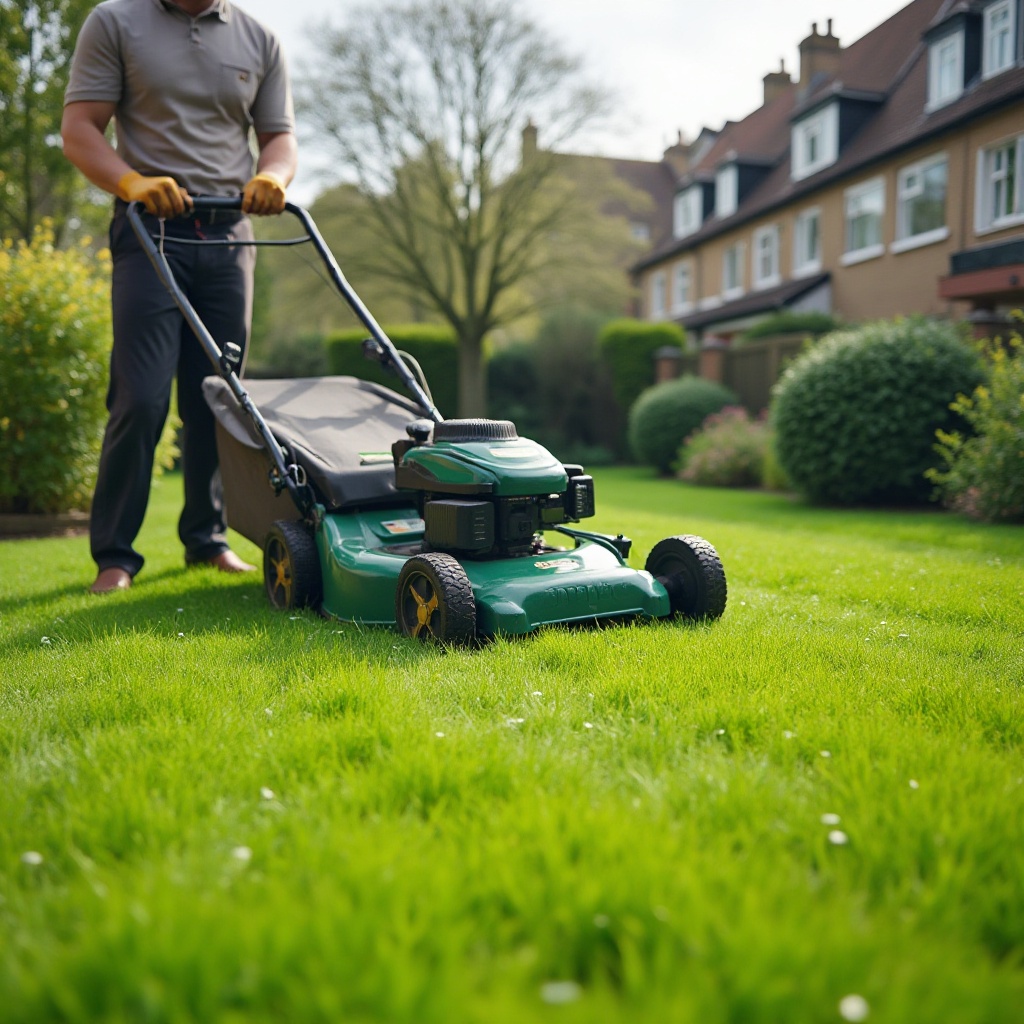
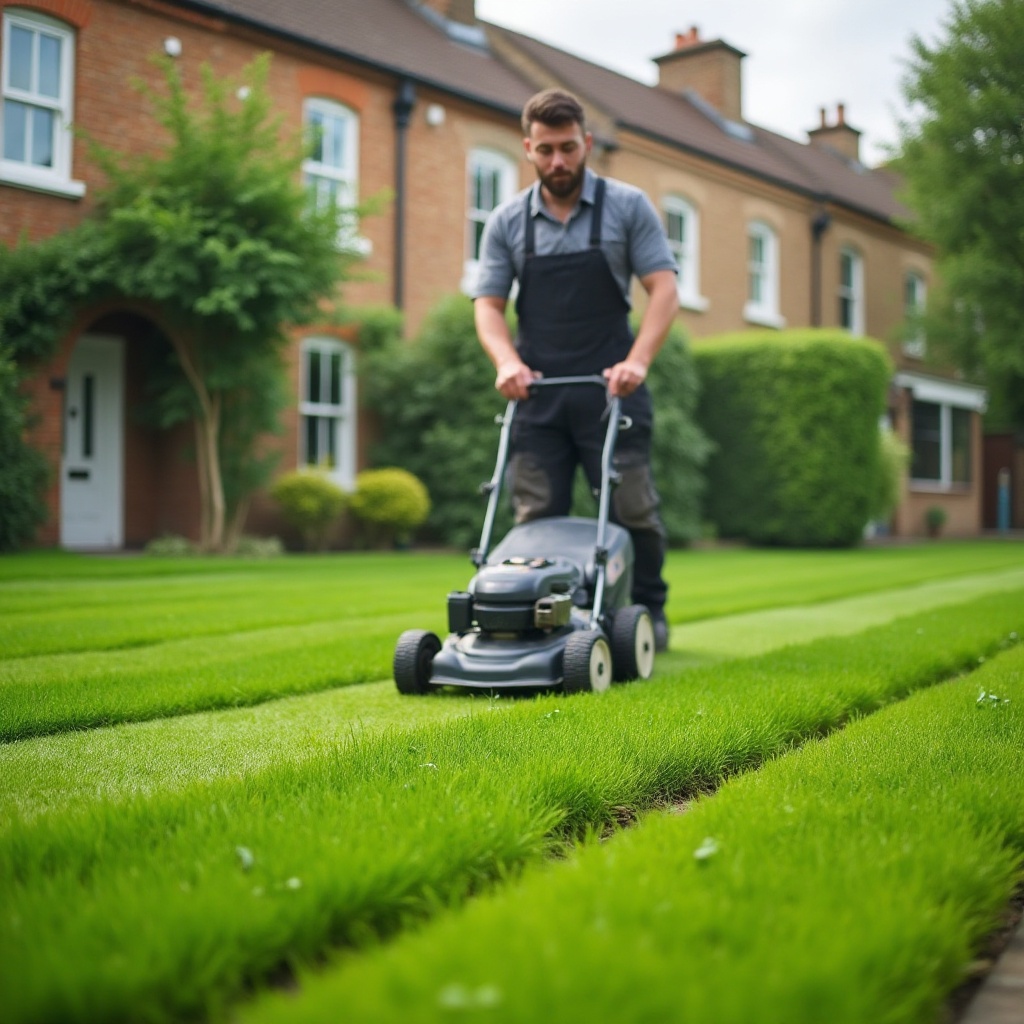
The work is carried out step by step — mowing, trimming, pruning, and clearing — using the right tools for the space and access available.
🌿 3. Final Tidy & Ongoing Advice
We finish by cleaning up the area, refining edges, and leaving the garden manageable. If needed, we’ll advise on simple upkeep between visits.
Honest reviews from homeowners and tenants in Putney who use our services to keep their gardens tidy and under control.
Before carrying out tree pruning with Nature Garden Putney, it’s important to understand how the work fits into the layout of your garden. In many Putney properties, trees are positioned close to fences, neighbouring gardens, or buildings, which means pruning needs to be done with precision rather than heavy cutting.
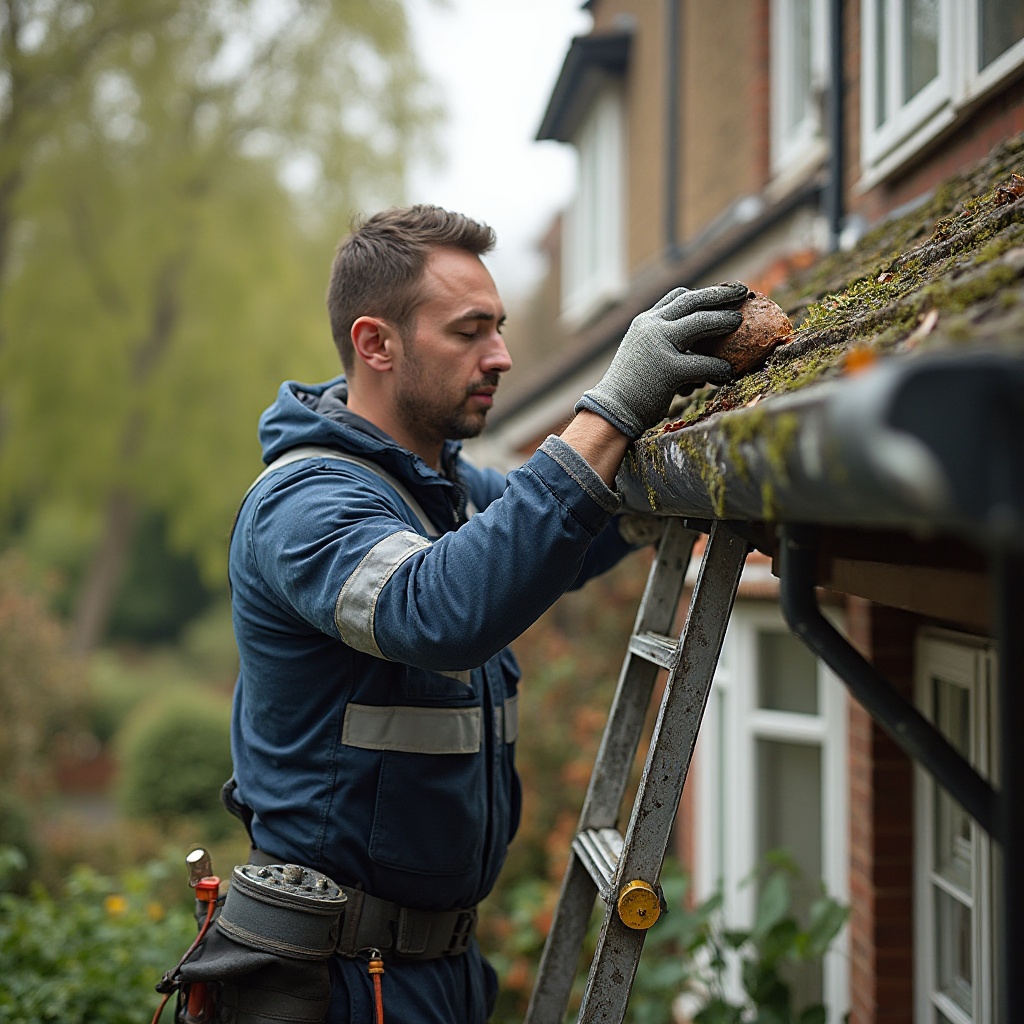
One of the key considerations is access and working space. Some trees can be reached easily from ground level, while others may require ladders or careful positioning of equipment. In tighter London gardens, this needs to be planned so branches can be removed safely without damaging surrounding areas.
We also look at what’s directly below the tree. Patios, garden furniture, sheds, or planted areas can all be affected by falling branches during pruning. Clearing or protecting these areas in advance helps keep the process controlled and avoids unnecessary clean-up.
Another important factor is how much to prune at once. Removing too many branches in a single visit can stress the tree and lead to uneven regrowth. Instead, we take a measured approach, removing what’s necessary to improve structure and safety while allowing the tree to recover naturally.
After pruning, the tree may look lighter or more open, but this is part of the process. New growth will follow, often stronger and better positioned. In many Putney gardens, this results in a more manageable shape that doesn’t quickly return to its previous overgrown state.
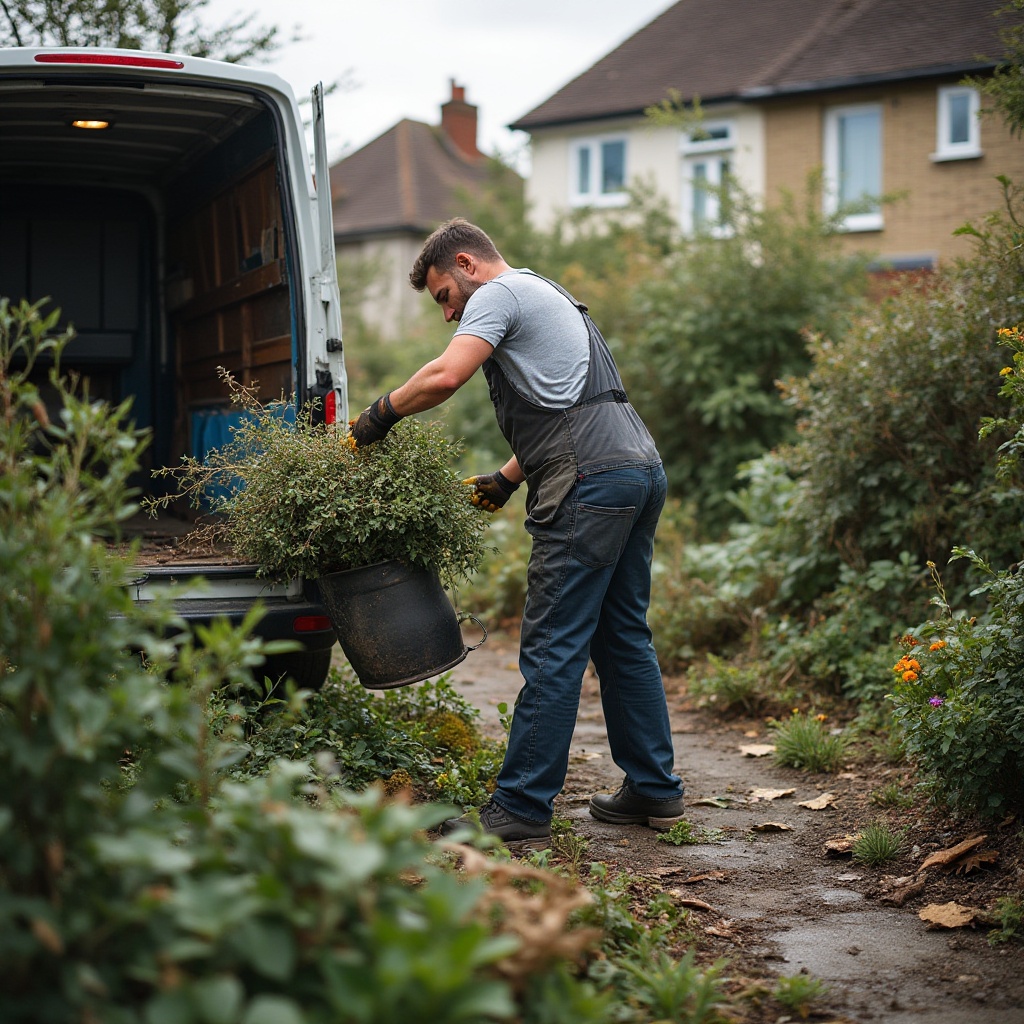
All cut branches and green waste are collected and removed, which is especially important in London where space is limited and leaving debris on-site isn’t practical. The area is left clear so the garden can be used immediately after the work is completed.
It’s also worth considering future maintenance. Once a tree has been properly pruned, keeping it under control becomes much easier with occasional follow-up work. Leaving it too long again will eventually bring back the same issues.
The aim is to create a balance — keeping the tree healthy and natural while ensuring it fits the space and doesn’t interfere with how the garden is used day to day.

Before arranging tree pruning with Nature Garden Putney, it’s important to look at how the tree fits into the overall garden rather than focusing only on its size. In many Putney properties, trees are part of a small, shared space where even minor overgrowth can affect light, privacy, and how the garden is used.
One thing we often advise is to think about long-term shape, not just immediate reduction. Cutting a tree back heavily might solve a short-term issue, but it can lead to fast, uneven regrowth. A more controlled approach keeps the structure balanced and reduces how often major pruning is needed.
Another consideration is how the tree interacts with neighbouring properties. In London gardens, branches frequently extend across boundaries. While pruning can resolve this, it’s usually best to be aware of property lines and access before starting, especially if parts of the work involve shared areas.
Wildlife can also play a role. Birds often nest in trees, particularly during certain times of the year. If activity is present, the work may need to be adjusted or delayed slightly to avoid disturbance.
After pruning, the garden may feel more open than expected. Increased light and space can change how other plants behave, sometimes encouraging new growth in areas that were previously shaded. This is usually a positive change, but it may require small adjustments in garden maintenance going forward.
It’s also worth noting that freshly cut branches can leave visible pruning points. These naturally settle over time as the tree heals, but the immediate appearance can be slightly different from the final result.
The focus is always on controlled, thoughtful pruning that improves the space without creating new issues — keeping the tree in proportion with the garden and easier to manage in the long run.