Garden Maintenance
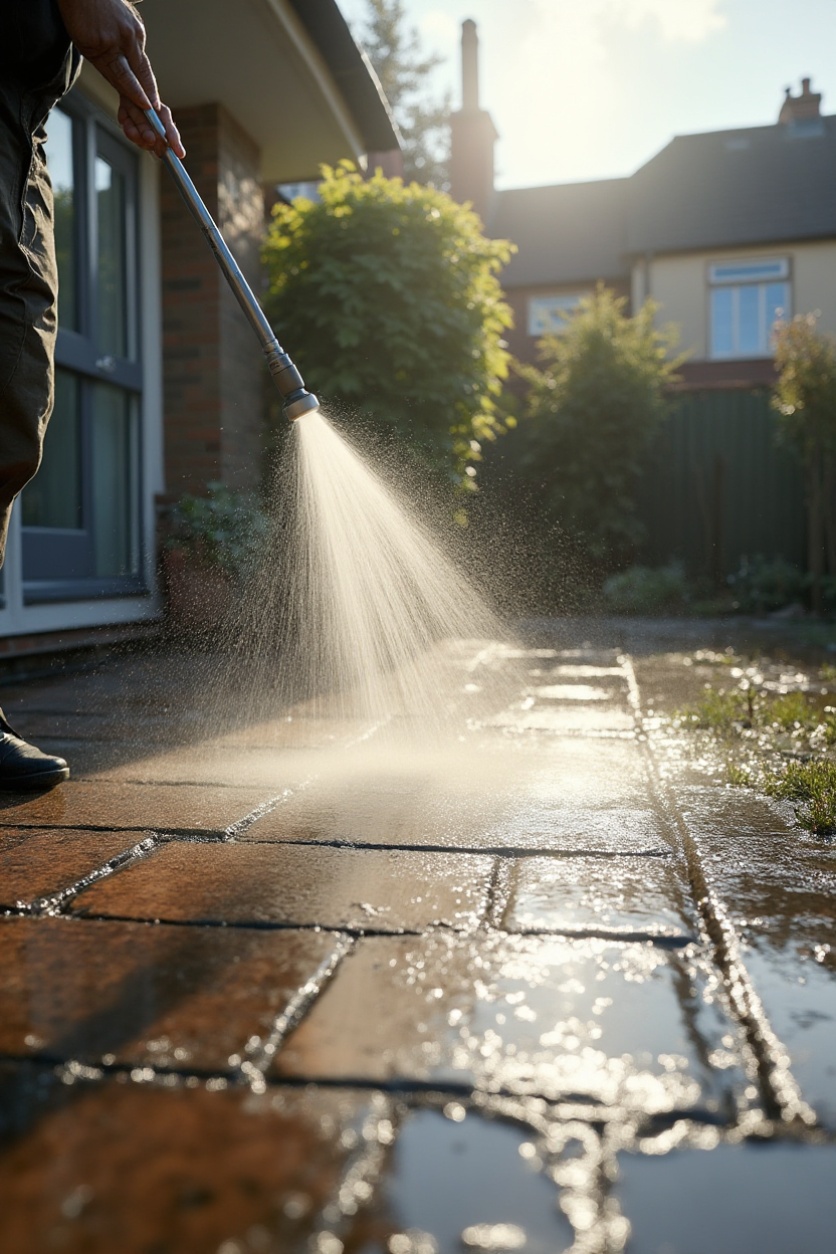
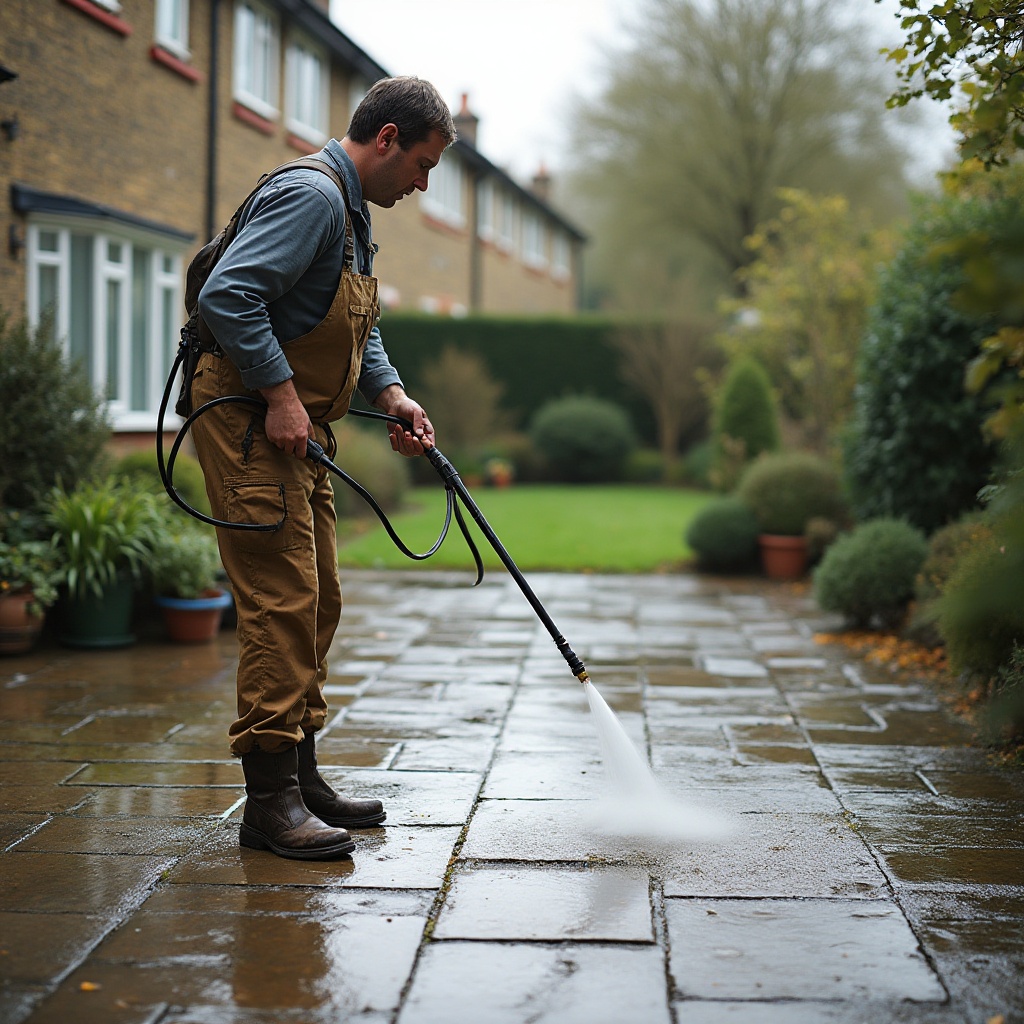
Pressure washing in Putney is used to clean outdoor surfaces that have built up dirt, algae, and staining over time. This service is ideal for homeowners and landlords who need to restore patios, driveways, and other exterior areas. In many London properties, damp conditions and regular use cause surfaces to become slippery and difficult to maintain.
At Nature Garden Putney, pressure washing is used to restore outdoor surfaces that have become dirty, slippery, or stained over time. In many Putney properties, this includes patios, driveways, pathways, and even some external walls. The combination of moisture, shade, and daily use creates a layer of grime that standard cleaning can’t remove.
The process starts with checking the surface type and condition. Not all materials react the same way to pressure washing. For example, concrete and stone can usually handle higher pressure, while older paving or softer materials require a more controlled approach. This step is important to avoid surface damage while still achieving a proper clean.
Loose debris such as leaves, soil, and moss is cleared first. This allows the pressure washing to focus directly on the surface rather than moving dirt around. In many London gardens, especially smaller ones, this build-up collects quickly due to limited airflow and shaded conditions.
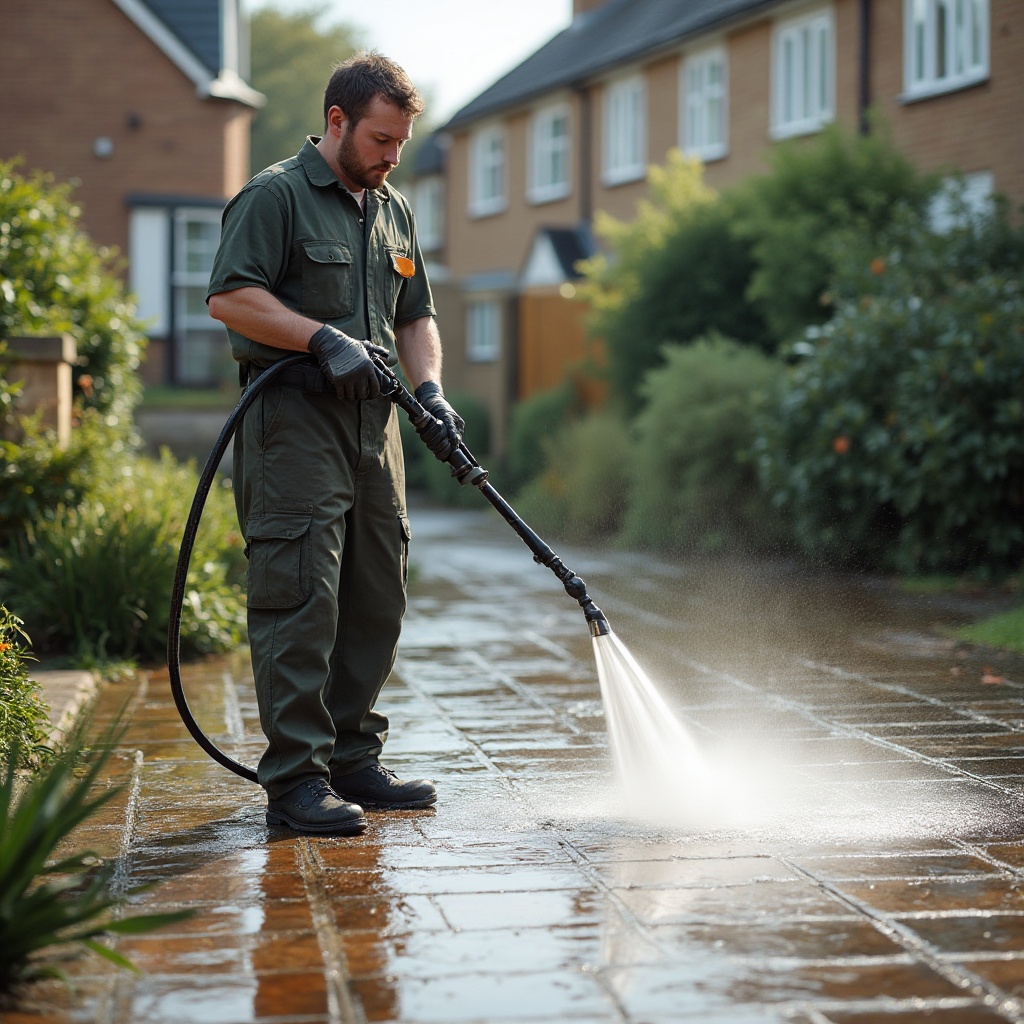
We then use professional pressure washing equipment to clean the surface. The pressure is adjusted based on the material and the level of dirt. Too much pressure can damage joints or strip the surface, while too little won’t remove deeper staining. The aim is to lift dirt, algae, and grime evenly without affecting the structure underneath.
Special attention is given to areas that hold moisture, such as joints between paving slabs or low points on driveways. These areas often develop moss and algae faster and can become slippery if not cleaned properly.
Most pressure washing jobs take between 2 and 4 hours depending on the size of the area and how heavily soiled it is. Larger or more neglected surfaces may take longer or require multiple passes to achieve the desired result.
It’s important to be realistic about what pressure washing can achieve. While it removes most dirt and surface staining, it may not completely eliminate deep-set marks or permanent discolouration, especially on older surfaces.
Once cleaned, the surface looks noticeably fresher and becomes safer to walk on. Regular pressure washing helps prevent heavy build-up, making future cleaning easier and keeping outdoor areas in a usable condition throughout the year.
🌿 1. Garden Check & Planning
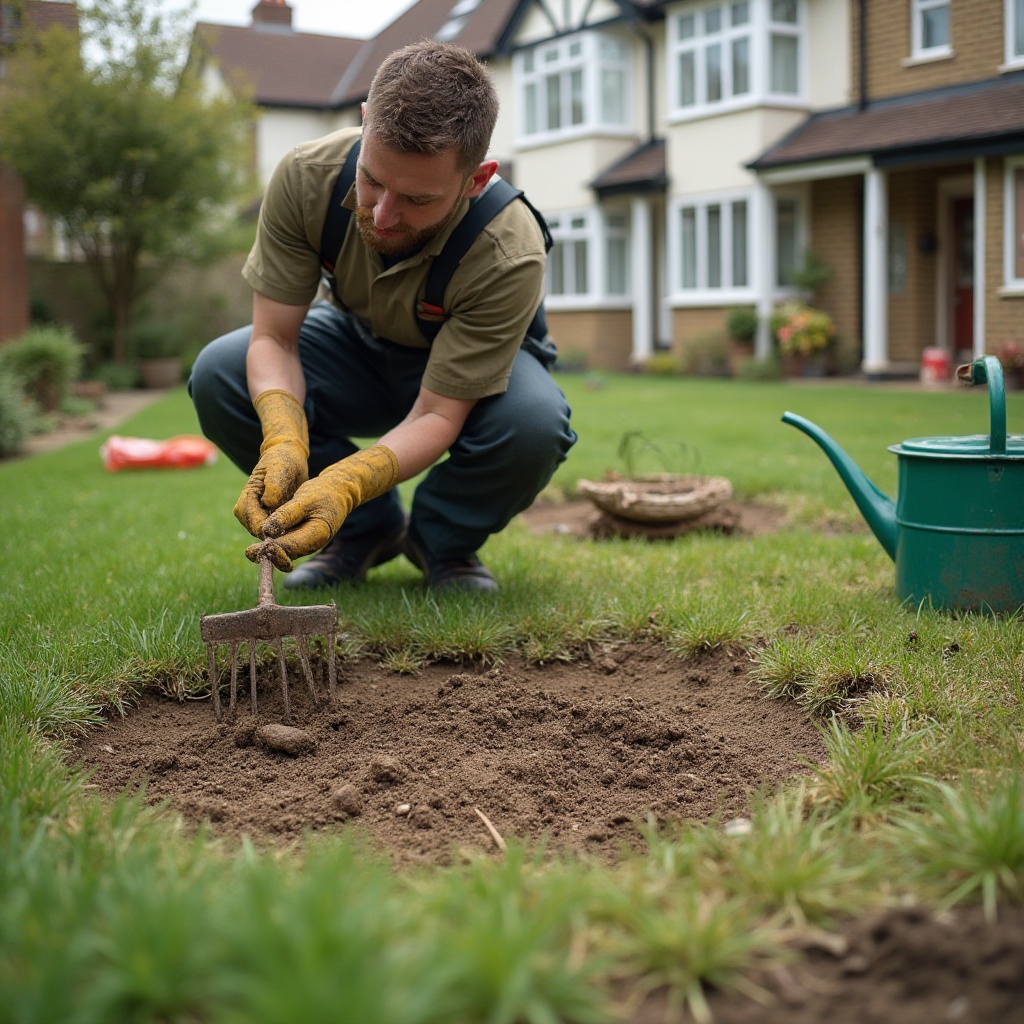
We start by assessing the garden, looking at lawn condition, overgrowth, and any problem areas. This helps us decide what actually needs doing, not just what looks obvious.
🌿 2. Practical Maintenance Work
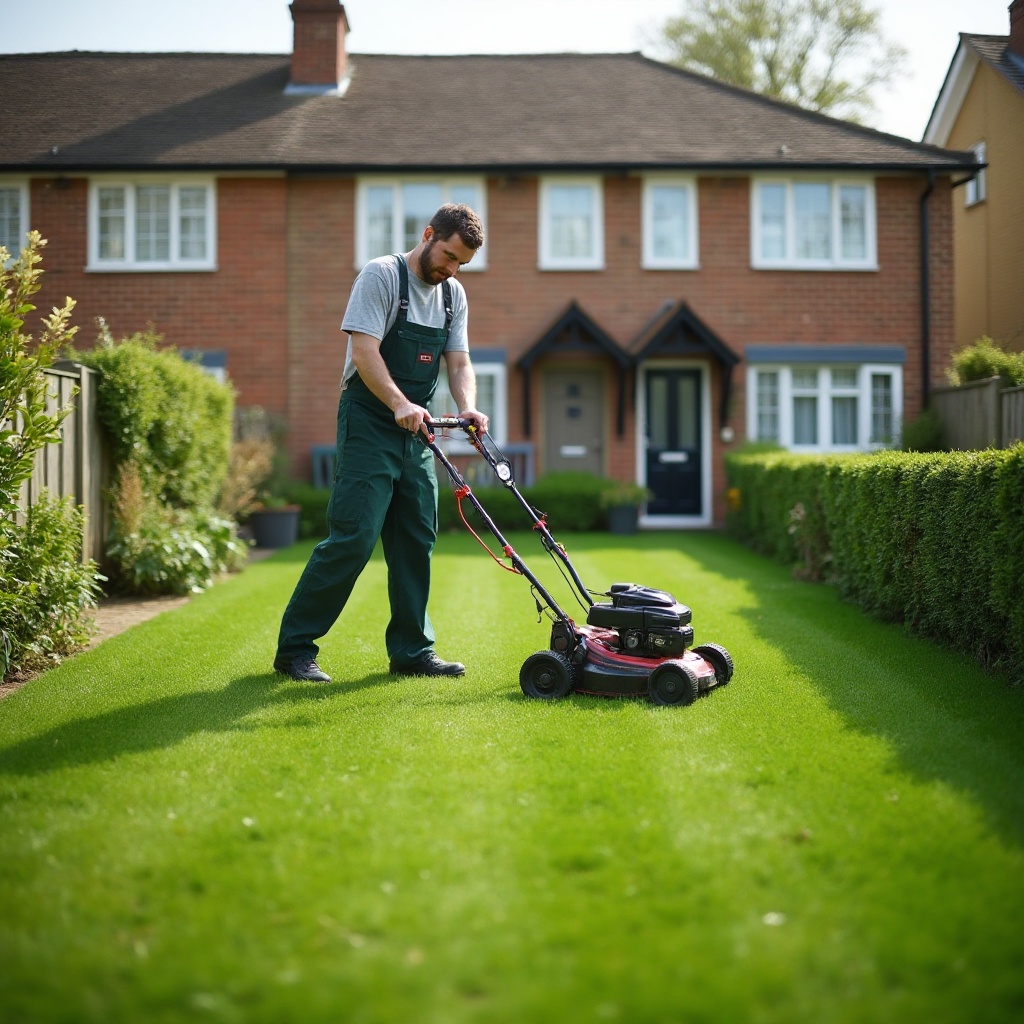
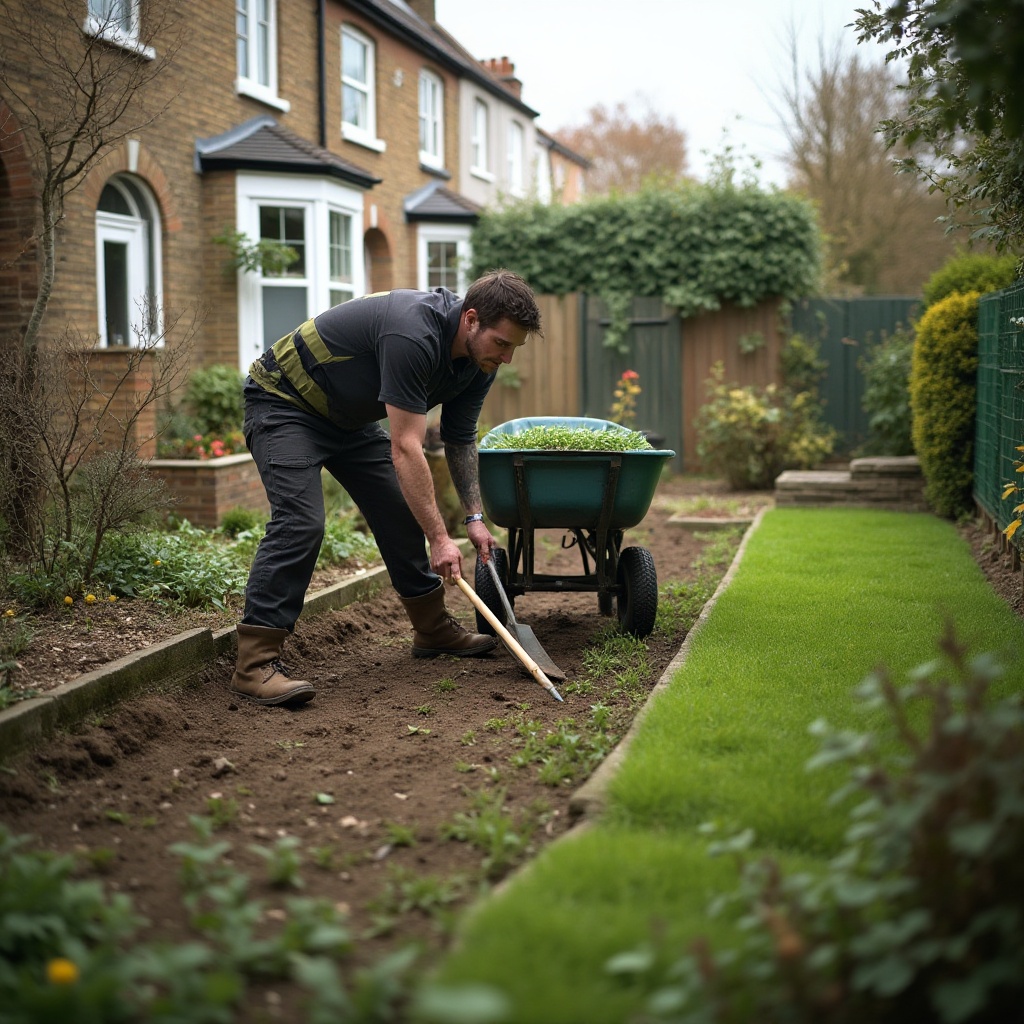
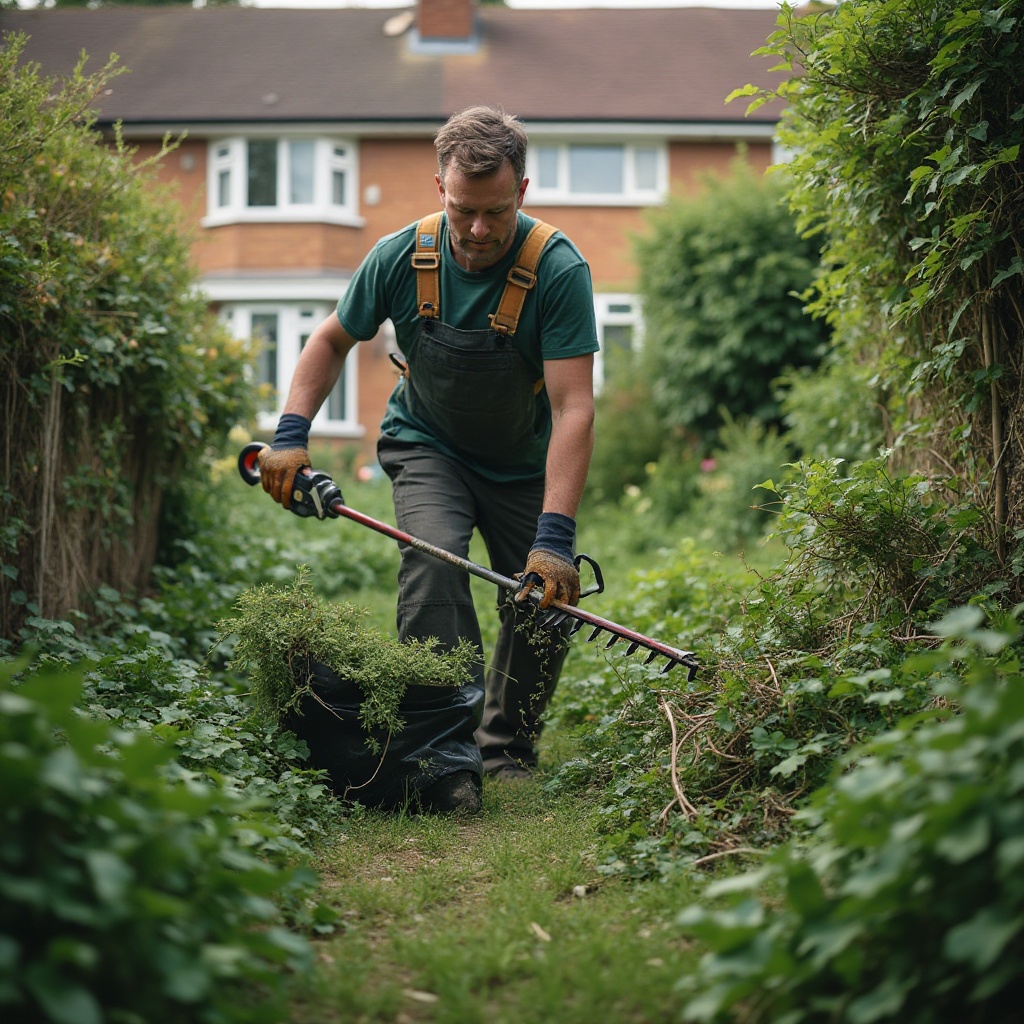
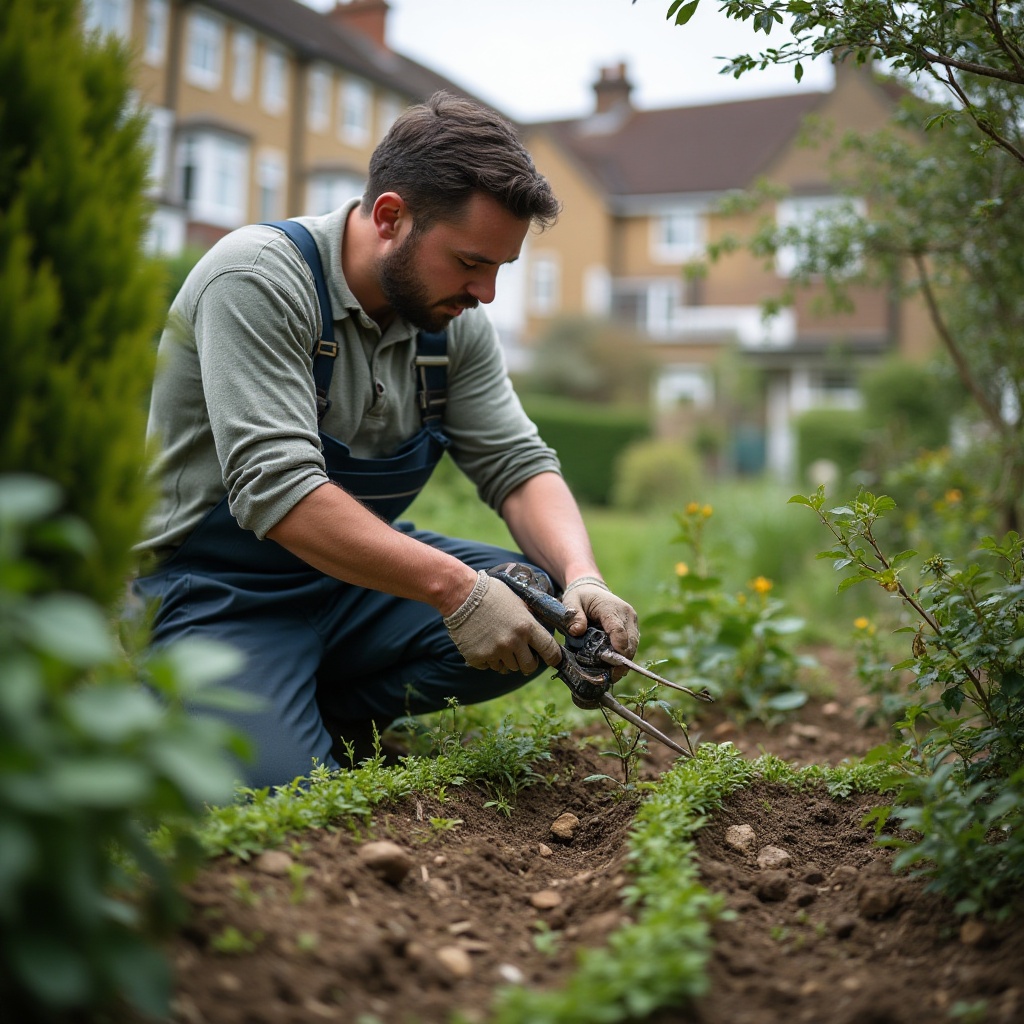
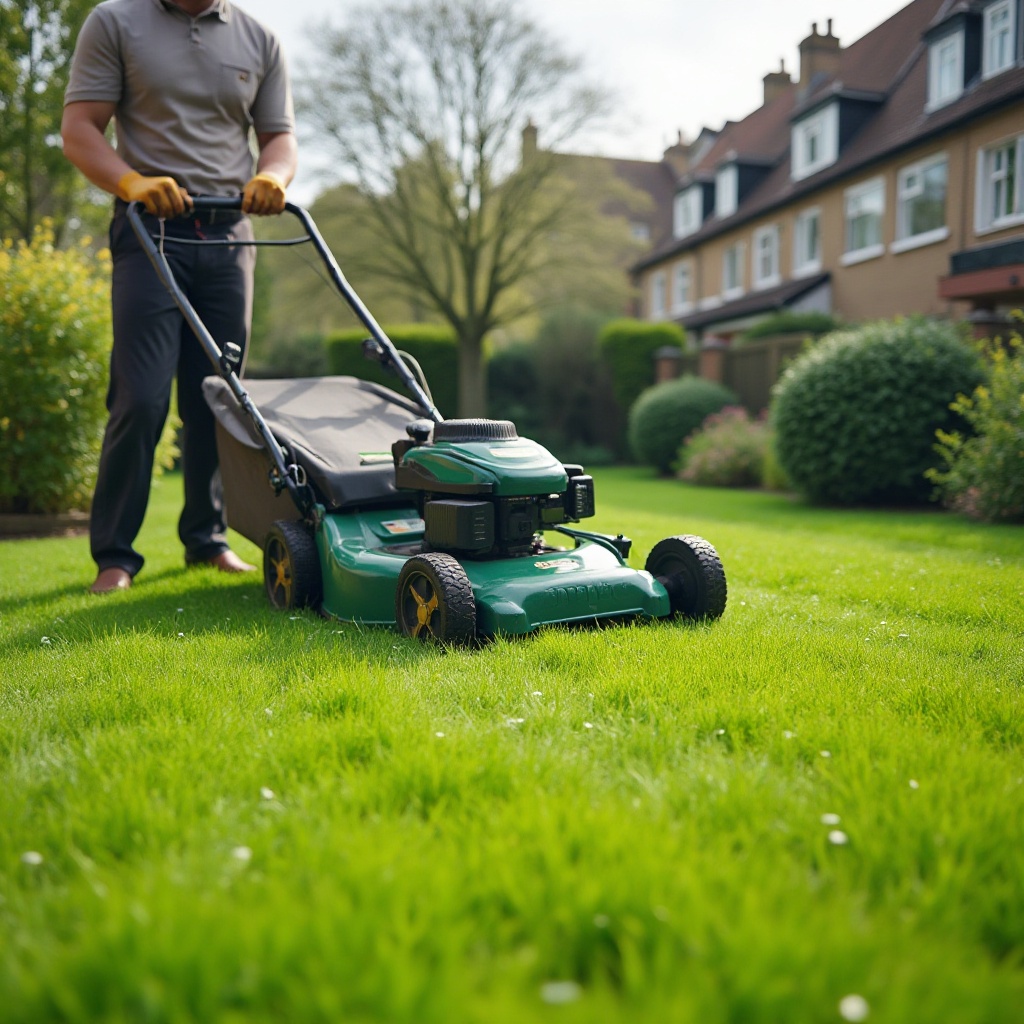
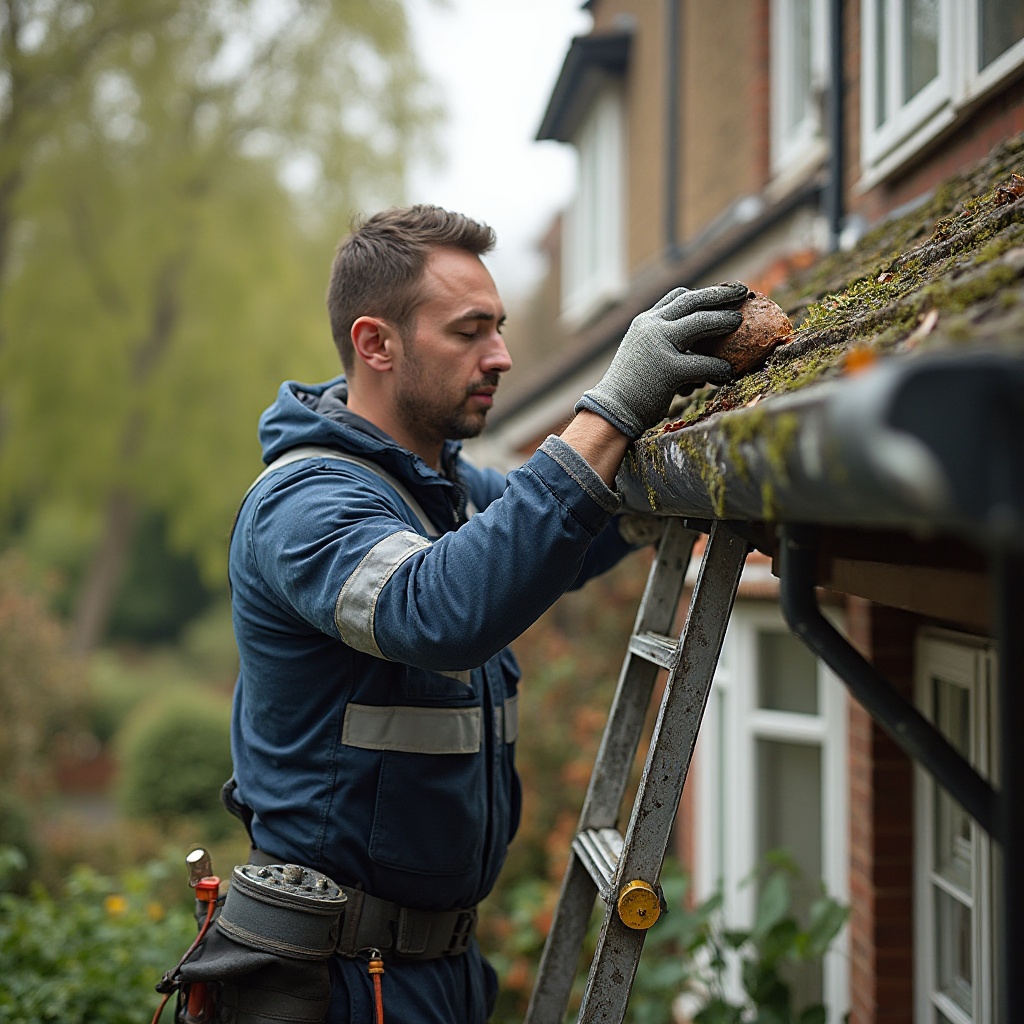
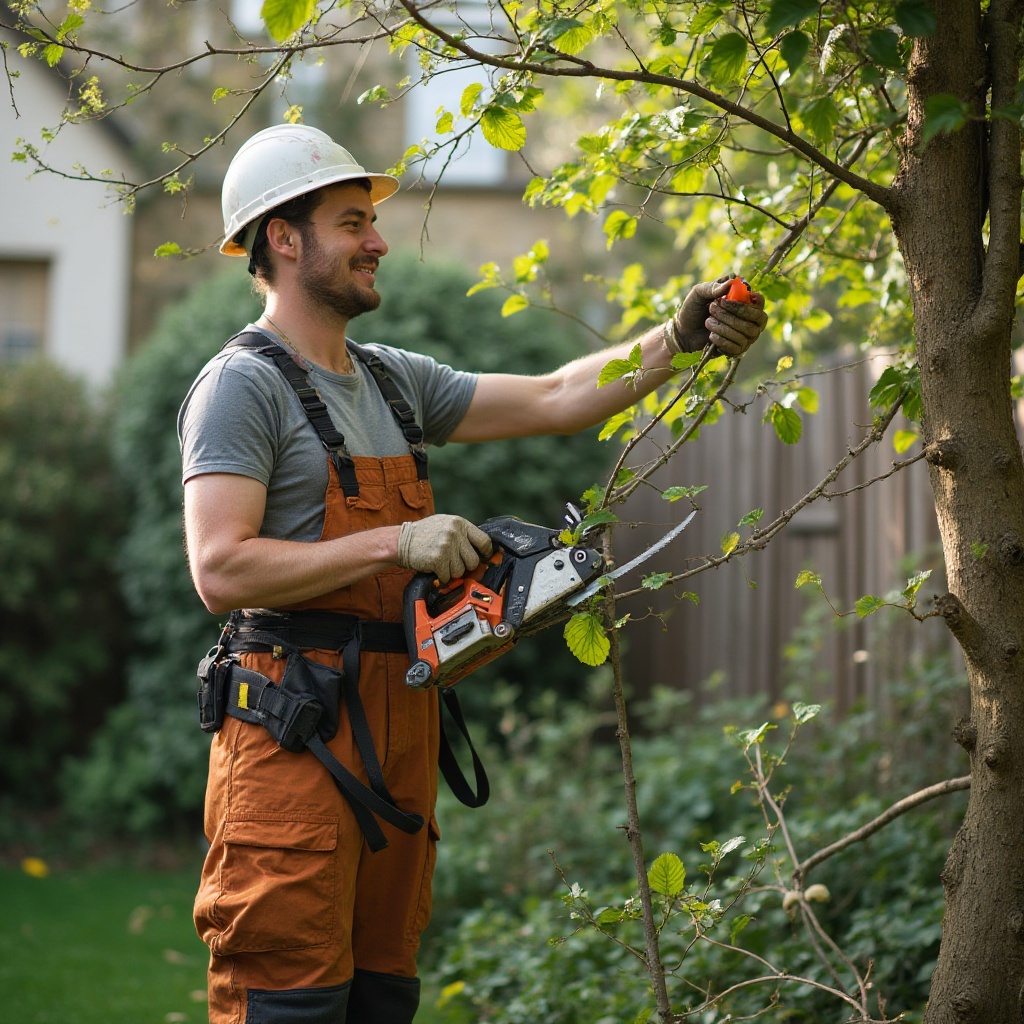
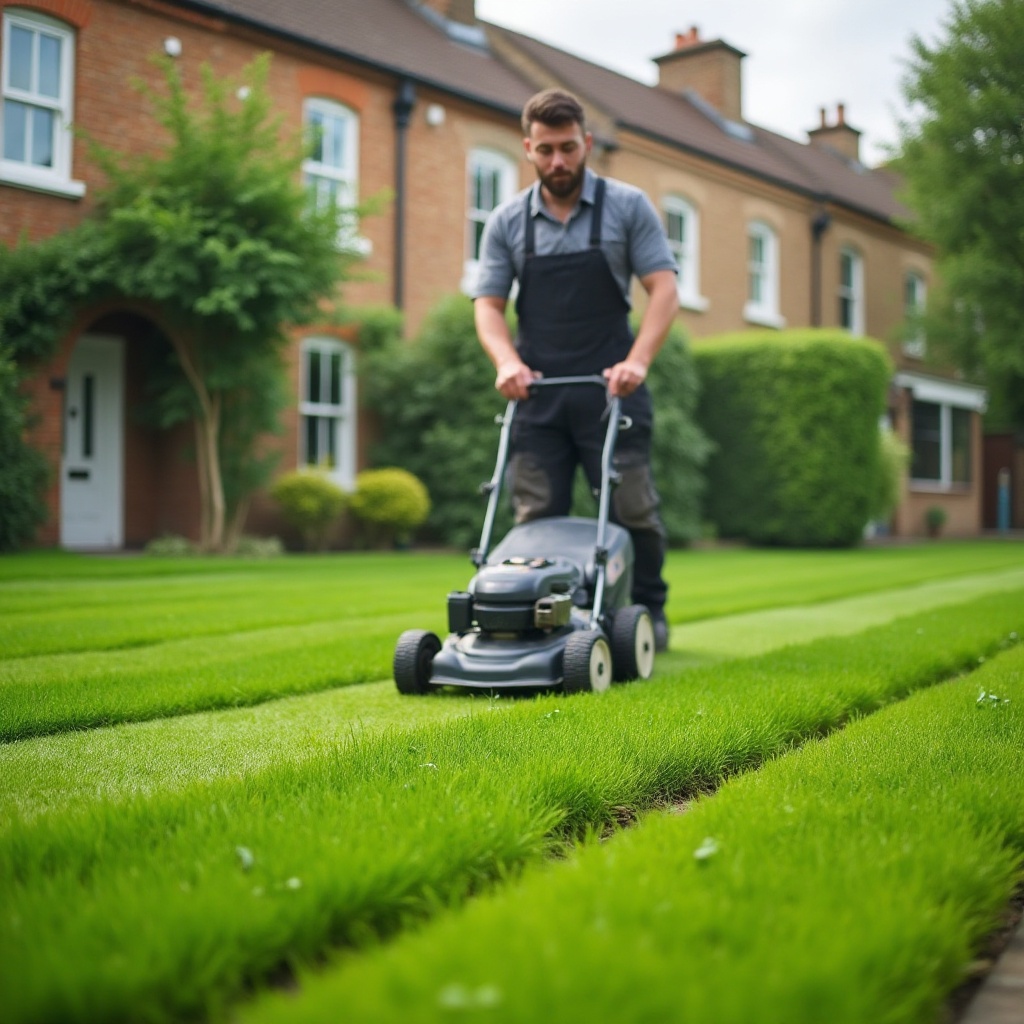
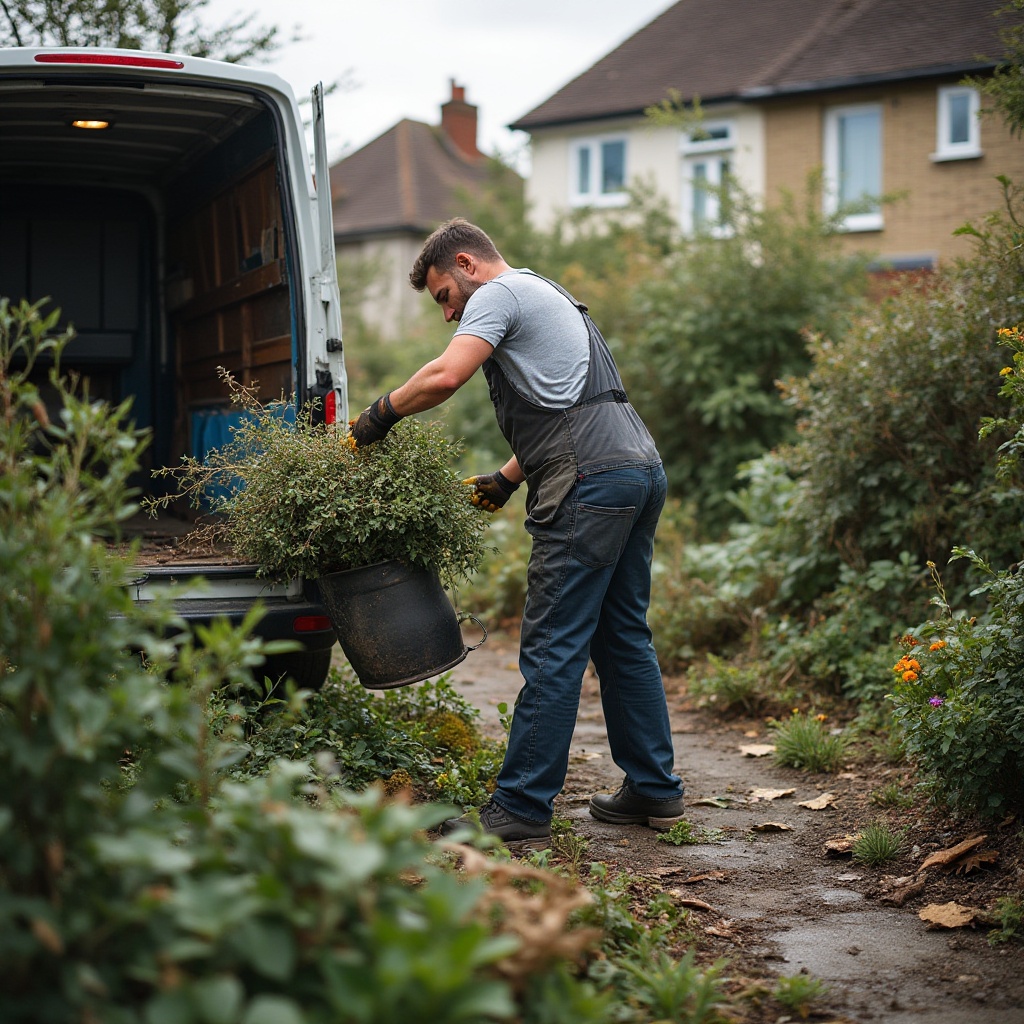
The work is carried out step by step — mowing, trimming, pruning, and clearing — using the right tools for the space and access available.
🌿 3. Final Tidy & Ongoing Advice
We finish by cleaning up the area, refining edges, and leaving the garden manageable. If needed, we’ll advise on simple upkeep between visits.
Honest reviews from homeowners and tenants in Putney who use our services to keep their gardens tidy and under control.
In Putney, pressure washing results depend on more than just the equipment used. At Nature Garden Putney, we often see surfaces where the condition, material, and environment all influence how effective the cleaning will be.
One of the main factors is surface type. Hard materials like concrete or dense stone respond well to pressure washing and can be restored quite effectively. However, softer or older surfaces may already be worn, which means they need a more controlled approach. Using too much pressure in these cases can expose the underlying layer or loosen the structure.
Another key factor is how long the dirt has been there. Fresh build-up is easier to remove, while older layers of grime, algae, and staining can become embedded into the surface. In these situations, pressure washing still improves the appearance significantly, but it may not return the surface to a completely new condition.
Moisture and shade also play a major role. In many Putney gardens and driveways, certain areas stay damp for longer due to surrounding buildings or limited sunlight. These sections tend to develop algae and moss more quickly and may require more detailed cleaning to fully clear.
Jointing between paving slabs is another important detail. Over time, pressure washing can remove loose jointing material, especially if it has already weakened. After cleaning, some patios or paths may benefit from re-sanding or re-pointing to maintain stability.
We also adjust the technique depending on the area being cleaned. For example, flat surfaces like patios and driveways are cleaned in controlled, even passes to avoid streaking. Vertical surfaces such as walls require a different angle and pressure to prevent water from forcing its way into joints or cracks.
It’s also important to understand what pressure washing doesn’t fix. Issues like oil stains, rust marks, or structural damage may remain visible even after cleaning. These require separate treatment or repair if they need to be fully resolved.
Over time, regular pressure washing helps maintain surfaces in a more stable condition. Instead of allowing heavy build-up to develop, periodic cleaning keeps areas safer, cleaner, and easier to manage — which is especially important in busy Putney properties where outdoor spaces are used frequently.

Before booking pressure washing with Nature Garden Putney, it’s worth checking the condition of the surfaces and the surrounding area. In many Putney properties, outdoor spaces are close to walls, doors, or neighbouring boundaries, so the cleaning needs to be carried out in a controlled way to avoid unnecessary splashing or disruption.
Access to water is important, as pressure washing requires a steady supply during the process. Most London homes have an outdoor tap, but if not, alternative arrangements can be discussed in advance.
It’s also helpful to move or cover items that may be affected by water, such as garden furniture, electrical points, or decorative features. This ensures the cleaning can be done efficiently without interruptions.
If the surface hasn’t been cleaned for a long time, the first visit may take longer or require a more gradual approach to achieve an even result.
The aim is to clean thoroughly while protecting the surface and keeping the surrounding area safe and organised.